











As the global medical community grapples with rising rates of pediatric obesity, the rapid rise in the prescription of glucagon-like peptide-1 (GLP-1) receptor agonists has introduced a new paradigm in adolescent healthcare. While these medications—originally designed for type 2 diabetes and now widely used for weight management—have demonstrated significant clinical efficacy in reducing body mass index (BMI), a troubling new study suggests they may come with a silent, systemic price: nutritional deficiency.
A groundbreaking study published in the journal Childhood Obesity has sounded an alarm, revealing that nearly one in six young patients (16.8%) experiences a documented nutritional deficiency within just one year of initiating GLP-1 therapy. As these drugs become a staple in pediatric endocrinology, the medical community is now forced to confront the potential long-term consequences of altering adolescent metabolic processes during a critical window of human development.
The Main Facts: A Concerning Trend
The study, led by researchers at the Ann & Robert H. Lurie Children’s Hospital of Chicago and Northwestern University Feinberg School of Medicine, analyzed data from over 2,000 adolescents. The findings paint a stark picture: the rapid suppression of appetite and the subsequent alteration of dietary habits—often the intended mechanisms of the medication—may be depriving growing bodies of essential micronutrients.
Among the specific deficiencies identified, Vitamin D was the most prevalent, impacting 12.4% of the cohort. Other common deficiencies included iron and calcium. These nutrients are not merely supplementary; they are the fundamental building blocks of adolescent physiology. Iron is essential for cognitive function and oxygen transport, while calcium and Vitamin D are the cornerstones of skeletal mineralization. When these are lacking during the "growth spurts" of puberty, the potential for long-term health complications is significant.
Chronology of the Research
To understand the scope of the problem, researchers conducted a retrospective analysis of national administrative claims data spanning a five-year period from 2017 to 2022. The data, pulled from a robust database representing over 100 million patients, provided a longitudinal view of how GLP-1 therapies have integrated into the pediatric population.
Phase 1: Identifying the Cohort
The research team isolated a cohort of 2,031 patients, aged 10 to 17, who met strict criteria: they were continuous users of GLP-1 medications and had no prior clinical history of nutritional deficiencies. This "clean slate" approach allowed researchers to isolate the impact of the medication itself, rather than attributing deficiencies to pre-existing conditions.
Phase 2: Analyzing Prescribing Patterns
The study also revealed which medications are most commonly entering the bodies of American adolescents. Liraglutide (marketed as Victoza and Saxenda) emerged as the dominant intervention, accounting for 78.6% of all prescriptions in the study. Dulaglutide (Trulicity) followed at 10.4%, while semaglutide (Ozempic and Wegovy) accounted for 9.1%. Given that these medications act on the brain’s satiety centers to reduce caloric intake, the study suggests that the way in which these drugs reduce weight—by limiting the volume and variety of food consumed—is the primary driver of the nutritional shortfall.
Phase 3: The Gap in Nutritional Care
Perhaps the most concerning finding was the delay in support. The research indicates that while these children were prescribed potent hormonal modulators, they were rarely given the nutritional scaffolding required to manage a restricted diet. Only 5% of patients received nutritional counseling within the first 30 days of treatment, and that number remained below 25% even after six months of therapy.
Supporting Data: Why Adolescence is a Vulnerable Window
The biological stakes for teenagers are significantly higher than for adult patients. Adolescence is defined by a massive surge in bone density acquisition and neurological development.
- Skeletal Health: During the teenage years, an individual accumulates nearly 40% of their total adult bone mass. A deficiency in calcium or Vitamin D during this time can result in a lower "peak bone mass," potentially leading to an increased risk of osteoporosis and stress fractures later in life.
- Cognitive and Physical Development: Iron deficiency in adolescents is frequently linked to fatigue, diminished academic performance, and impaired athletic recovery.
- The Appetite-Intake Paradox: GLP-1 medications work by mimicking hormones that signal fullness. In a pediatric patient, this can lead to "selective eating," where the patient may prioritize high-satiety foods or simply eat so little that the total nutrient density of their diet falls below the threshold required for growth.
The study’s data suggests that the current standard of care—prescribing the medication and monitoring weight loss—is incomplete. Without a concomitant nutritional plan, the medical community may be inadvertently trading obesity for malnutrition.
Official Responses and Clinical Perspectives
Dr. Justin Ryder, the study’s senior author and Vice Chair of Research for the Department of Surgery at Lurie Children’s Hospital, has been vocal about the need for a paradigm shift.
"As appropriate pediatric use of GLP-1s becomes more widespread, we need to understand the risks during periods of rapid growth and pubertal development," Dr. Ryder noted in his commentary on the findings. His perspective highlights a disconnect between the clinical enthusiasm for GLP-1 efficacy and the practical realities of managing a child’s developmental needs.
"Nutritional support needs to play a critical role once treatment with a GLP-1 medication is initiated," Dr. Ryder emphasized. The study suggests that the current reactive model—where a clinician waits for a patient to show symptoms of deficiency before intervening—is fundamentally flawed. By the time a deficiency is diagnosed via blood work, the patient has likely been operating at a physiological deficit for months.
Pediatricians and endocrinologists are now being encouraged to adopt a "proactive management" strategy. This involves establishing a baseline nutritional profile before the first dose is administered and ensuring that dietitians are part of the core clinical team from the very beginning of the treatment journey.
Implications: A Call for Proactive Nutritional Management
The implications of this study reach beyond the clinical office; they challenge the current guidelines for pediatric weight management. If 16.8% of patients are developing deficiencies, it suggests that the "standard of care" is failing to account for the unique metabolic demands of childhood.
Implications for Clinical Practice
- Mandatory Baseline Screening: Before initiating GLP-1 therapy, pediatricians should perform comprehensive blood panels to assess baseline levels of iron, Vitamin D, calcium, and B12.
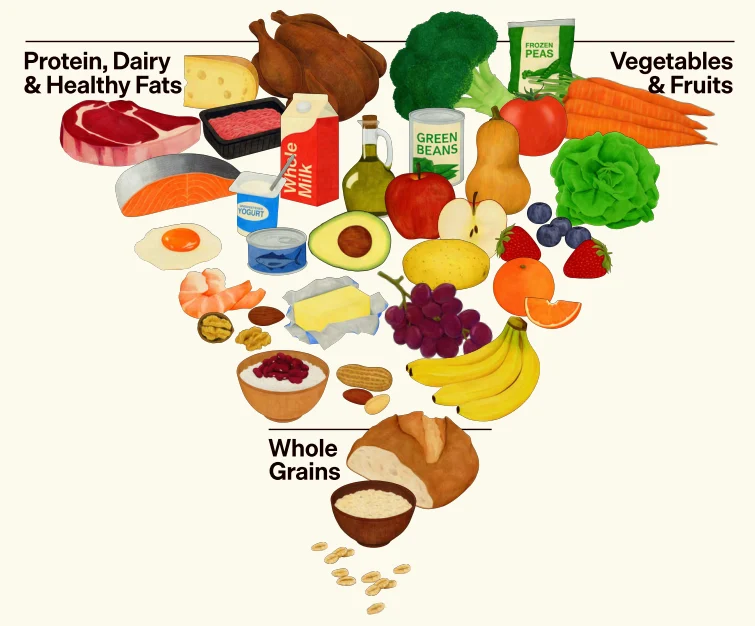
- Integrated Dietetic Care: Nutritional counseling should not be an "add-on" or a referral made only if weight loss stalls. It should be a mandatory component of the medication protocol, occurring at the time of prescription.
- Regular Monitoring: Blood work should be repeated at three-month intervals for the first year of treatment, rather than waiting for annual checkups.
Implications for Policy and Insurance
The study also highlights a systemic issue regarding access to care. Many insurance providers cover the cost of the medication but do not consistently cover the cost of frequent visits with registered dietitians. If the medical community expects to mitigate these risks, health systems and insurers must recognize that nutritional counseling is not an elective service—it is a medical necessity for patients on these therapies.
The Future of Pediatric Obesity Treatment
The success of GLP-1s in managing pediatric obesity is undeniable, and for many children, the health benefits of weight loss far outweigh the risks. However, the study from Childhood Obesity serves as a crucial reminder that medicine is rarely without trade-offs. The goal of treating pediatric obesity is to improve a child’s long-term health, not just to lower a number on a scale.
As we move forward, the integration of nutritional science with pharmaceutical intervention will be the hallmark of safe, effective pediatric care. We must ensure that while we help children lose weight, we are not losing the essential nutrients they need to grow, thrive, and build the foundation for a healthy adulthood. The findings from Dr. Ryder and his team provide the evidence base needed to change the narrative: from simply "losing weight" to "nourishing health."