







In the modern landscape of healthcare, patients are often accustomed to standardized diagnostic protocols. If two individuals present with chronic pain or metabolic dysfunction, they are frequently prescribed the same pharmaceutical intervention. However, Ayurveda, the ancient Indian system of medicine, operates on an entirely different premise: no two bodies, and therefore no two imbalances, are identical.
As the global interest in integrative and holistic medicine continues to surge, Ayurveda is gaining traction not merely as an alternative, but as a sophisticated, highly personalized scientific framework. At its core, Ayurveda argues that true wellness is not achieved by suppressing symptoms, but by addressing the unique constitution of the individual.
The Philosophical Foundation: Beyond Symptom Management
The success of the Ayurvedic approach is rooted in its granularity. Where modern allopathic medicine might classify diabetes into two primary types, Ayurvedic texts identify 20 distinct classifications, each requiring a unique therapeutic trajectory. Similarly, pain is not treated as a singular entity; it is categorized based on the doshas—Vata, Pitta, and Kapha. A Vata-type pain (often characterized by sharpness or erratic movement) demands a radically different treatment protocol than a Kapha-type pain (often characterized by dullness or congestion).
This individualized approach is essential because, in Ayurveda, the practitioner is tasked with understanding the samprapti, or the disease process. By tracing the movement of an imbalance through the body’s channels, a practitioner can determine which qualities (or gunas) are excessive or deficient. Consequently, treatment is never a "band-aid" solution; it is a bespoke architectural plan designed to restore the body’s innate equilibrium.
The Mechanics of Panchakarma: A Three-Stage Detoxification Process
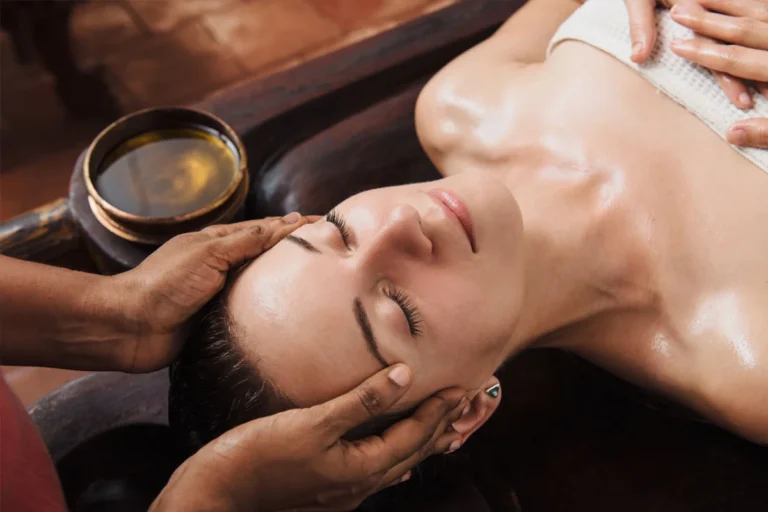
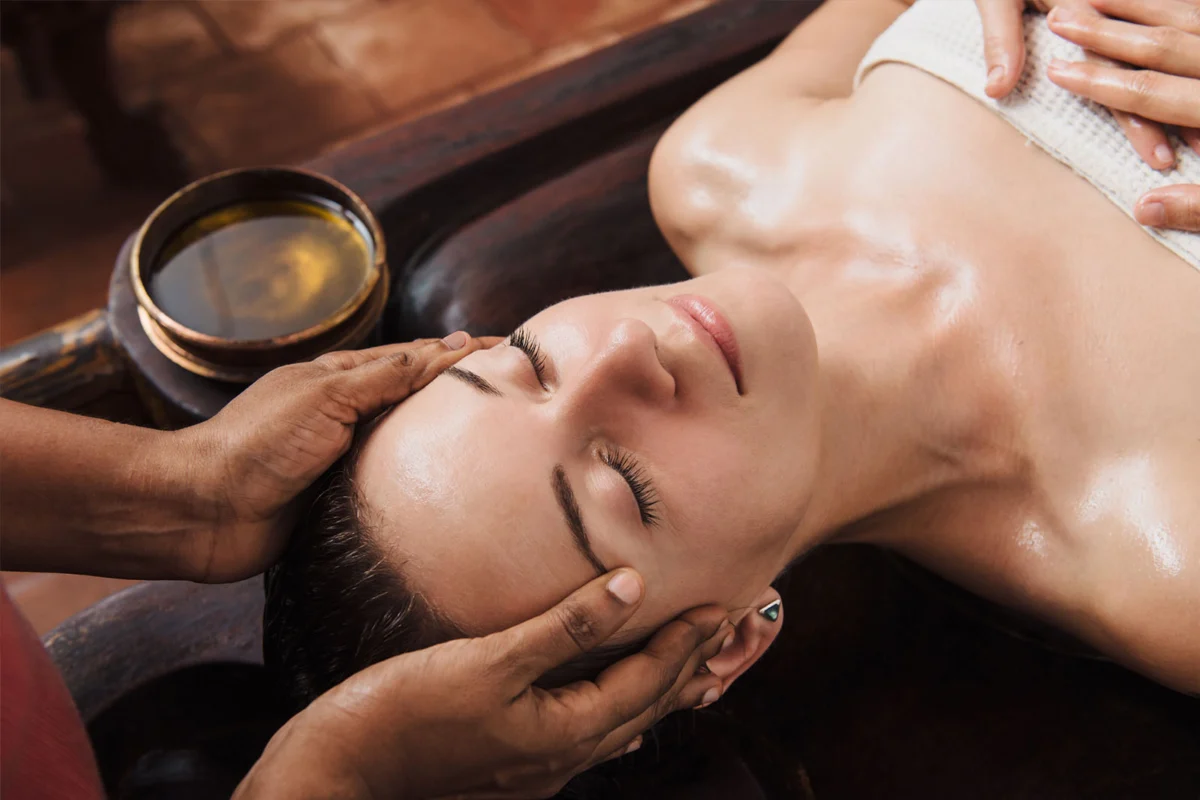
One of the most profound therapeutic tools in the Ayurvedic repertoire is Panchakarma—a comprehensive detoxification and rejuvenation program. While Panchakarma is often marketed in wellness circles as a generic "cleansing retreat," it is, in reality, a rigorous medical process that must be tailored to an individual’s prakruti (constitutional balance) and vikruti (current state of imbalance).
The process is divided into three distinct chronological stages:
Stage 1: Purvakarma (The Preparatory Phase)
Before the body can release deep-seated toxins, it must be prepared. Purvakarma focuses on two primary objectives: kindling Agni (the digestive fire) and internal oleation.
Agni is the engine of the body; if it is weak, the body cannot process nutrients or eliminate waste. Practitioners might prescribe specific spices, such as ginger, or lifestyle adjustments to ignite this fire. Simultaneously, the patient undergoes internal oleation, consuming medicated ghees or oils. This process is crucial because it softens and dislodges toxins (ama) that have accumulated in the deep tissues, mobilizing them so they can be drawn into the digestive tract for elimination.
Stage 2: Pradhānakarma (The Five Actions)
This is the core stage, from which the term "Panchakarma" (Five Actions) is derived. Each action serves a specific physiological goal:
- Virechana (Purgation): Targeted at the liver, gallbladder, and small intestine—the seats of Pitta dosha—this process utilizes laxatives to purge excess heat and bile from the system.
- Basti (Medicated Enema): Directed at the large intestine (the home of Vata), Basti uses herbalized teas or oils. This is not merely an elimination tool; it is a nourishing procedure that allows the colon to absorb medicinal properties, addressing systemic Vata imbalances.
- Vamana (Emesis): A highly specialized procedure used to extract excess Kapha (phlegm) from the stomach. Using licorice and salt water, this action is only indicated for specific, severe imbalances and is conducted under strict supervision.
- Nasya (Nasal Administration): The application of medicated oils into the nasal passages. This therapy is highly effective for clearing sinuses, improving cognitive clarity, and balancing head-space doshas.
- Raktamoksha (Blood Cleansing): Traditionally involving leech therapy, this process purifies the blood (rakta). While less common in the U.S. due to regulatory and cultural constraints, the principle remains: blood is the carrier of prana (life force), and its purity is vital for systemic health.
Stage 3: Paschyātkarma (The Rejuvenation Phase)
Detoxification is a taxing process that can leave the body feeling fatigued. The final stage, Paschyātkarma, is the transition back to vitality. During this period, the practitioner designs a post-detox diet and lifestyle regimen focused on rebuilding tissues (dhatus) and establishing healthy habits that prevent the recurrence of imbalances. Without this "post-care" phase, the benefits of the detox are quickly lost to the stresses of modern living.
The Critical Role of the Practitioner
The complexity of the three stages described above highlights a non-negotiable reality: Panchakarma should never be attempted as a DIY project. The role of the Ayurvedic practitioner is that of a navigator. They must assess the client’s digestive strength, the severity of toxin accumulation, and the specific nature of their doshic imbalance at every turn.
If a protocol is applied incorrectly—such as using an overly stimulating oil for a Vata-dominant patient or an improper purgative for a Pitta-dominant patient—the imbalances can worsen. An experienced practitioner acts as a safeguard, adjusting the protocol in real-time based on the client’s physiological feedback.
Implications for Modern Healthcare
The rise of Ayurveda signifies a shift in how society perceives the patient-practitioner relationship. In an era of digital health and telehealth, the Ayurvedic emphasis on the "individualized viewpoint" stands as a reminder that human biology is not a static data point.
Supporting Data and Trends
Recent growth in the demand for Ayurvedic education, such as programs offered by institutions like the Ayurvedic Institute, reflects a broader trend toward personalized medicine. Patients are increasingly seeking practitioners who are willing to spend time understanding the "why" behind their symptoms. This shift is mirrored in the growth of specialized wellness destinations like the SoHum Mountain Healing Resort, which emphasize the integration of ancient techniques within a structured, supportive environment.
Official Perspectives on Integrative Care
While mainstream medical institutions remain focused on evidence-based standardization, there is a growing dialogue regarding "Integrative Medicine." Many experts now acknowledge that while allopathy excels in acute trauma and emergency care, traditional systems like Ayurveda provide superior frameworks for chronic, lifestyle-driven conditions. The implication is that the future of healthcare may not lie in a single system, but in the collaboration between the rapid diagnostic capabilities of modern medicine and the long-term, restorative wisdom of Ayurveda.
Conclusion: Aligning Values with Wellness
For those considering Ayurvedic treatment, the message is clear: the success of your healing journey depends entirely on the expertise and philosophy of the practitioner you choose. As Ayurveda gains mainstream popularity, it is easy to find "fast-track" programs or superficial wellness retreats. However, true Ayurveda requires depth, patience, and a commitment to the individualized process.
Before embarking on a Panchakarma program, prospective clients should thoroughly vet their chosen center. Does the facility offer a consultation that covers Prakruti and Vikruti? Is there a clear plan for all three stages of treatment? Does the practitioner prioritize long-term lifestyle education over a temporary "quick fix"?
By aligning your personal health values with a practitioner who honors the complexity of the human body, you can move beyond the "one-size-fits-all" trap and engage in a path of healing that is as unique as you are. In the end, Ayurveda is not just a treatment; it is an intimate conversation between the practitioner, the patient, and the innate intelligence of the body.