








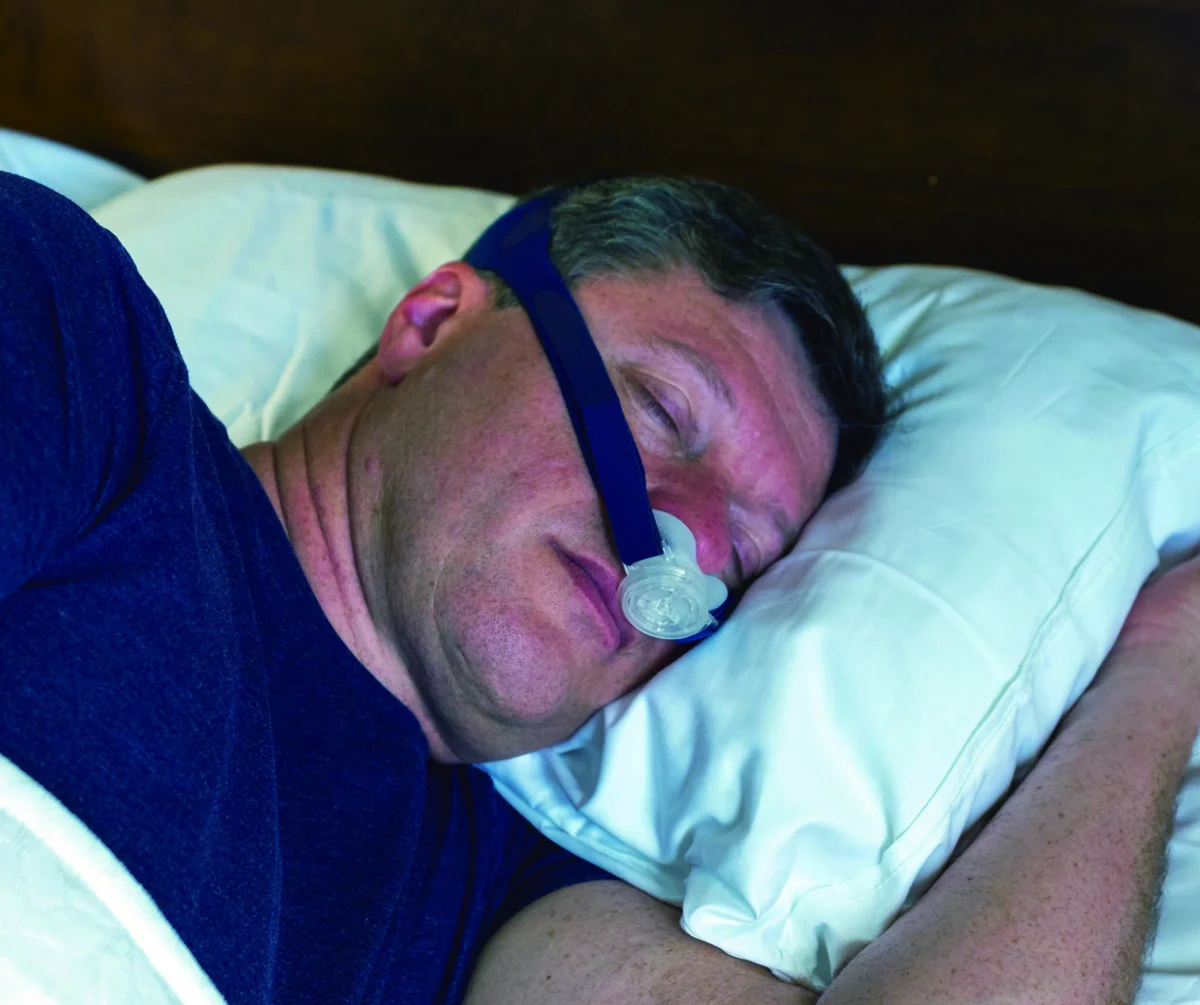
For millions of individuals living with obstructive sleep apnea (OSA), the standard of care—Continuous Positive Airway Pressure (CPAP) therapy—is a double-edged sword. While CPAP remains the gold standard for efficacy, it is notoriously plagued by poor patient compliance. The burdens of bulky headgear, the hum of motors, the need for a constant power source, and the physical sensation of forced inhalation often lead patients to abandon treatment.
In this landscape, Expiratory Positive Airway Pressure (EPAP) devices have emerged as a compelling, low-profile alternative. By harnessing the patient’s own respiratory effort to create a pneumatic splint for the upper airway, these devices offer a minimalist solution for those with mild-to-moderate OSA or those who struggle with traditional mechanical ventilation.
Understanding the Mechanics: How EPAP Functions
At its core, EPAP therapy operates on a simple physiological principle. Unlike CPAP, which uses a blower to force air into the airways during both inhalation and exhalation, EPAP devices act as a resistive barrier specifically during the expiratory phase of the respiratory cycle.
When a user exhales through an EPAP valve, the device creates backpressure. This pressure effectively "splints" the upper airway open, preventing the soft tissues of the throat from collapsing—the primary mechanism behind an OSA event. Because the resistance is removed during inhalation, the patient can breathe in naturally, making the process feel less invasive than traditional air-delivery systems.
Because these devices require no motor, hose, or electricity, they are fundamentally changing the "sleep travel" market. They are typically palm-sized, reusable, and discreet, representing a shift toward patient-centered, portable respiratory health.
The Evolution of EPAP Technology: A Chronology
The development of EPAP technology has moved from rudimentary designs to sophisticated, FDA-cleared medical devices.
- Early Conceptualization: Initial research into passive resistance valves began in the late 20th century as clinicians sought ways to treat snoring and mild airway collapse without the need for high-pressure air pumps.
- 2018–2019: Regulatory Validation: A pivotal moment for the industry occurred between 2018 and 2019, when the FDA cleared several key devices, including the AirAvant Medical Bongo Rx, the BRYGGS Medical ULTepap 2, and the CPAPNEA Optipillows. These clearances established a regulatory framework for prescribing these devices for mild-to-moderate OSA, providing clinicians with a safer, evidence-backed path for non-compliant patients.
- 2021–2022: Academic Rigor: As these devices hit the market, independent researchers began conducting bench-top studies to verify the pressure profiles of various valve designs. Publications in journals such as Sleep Medicine and the Journal of Sleep Medicine and Disorders provided the necessary scientific validation to prove that these devices, despite their simplicity, could indeed generate therapeutic pressure levels.
- 2025–2026: The Maturity of the Market: By mid-2026, the market has matured to include specialized options, such as over-the-counter (OTC) alternatives and highly adjustable prescription models, allowing for a more tailored approach to patient care.
Comparative Analysis: The Leading EPAP Devices
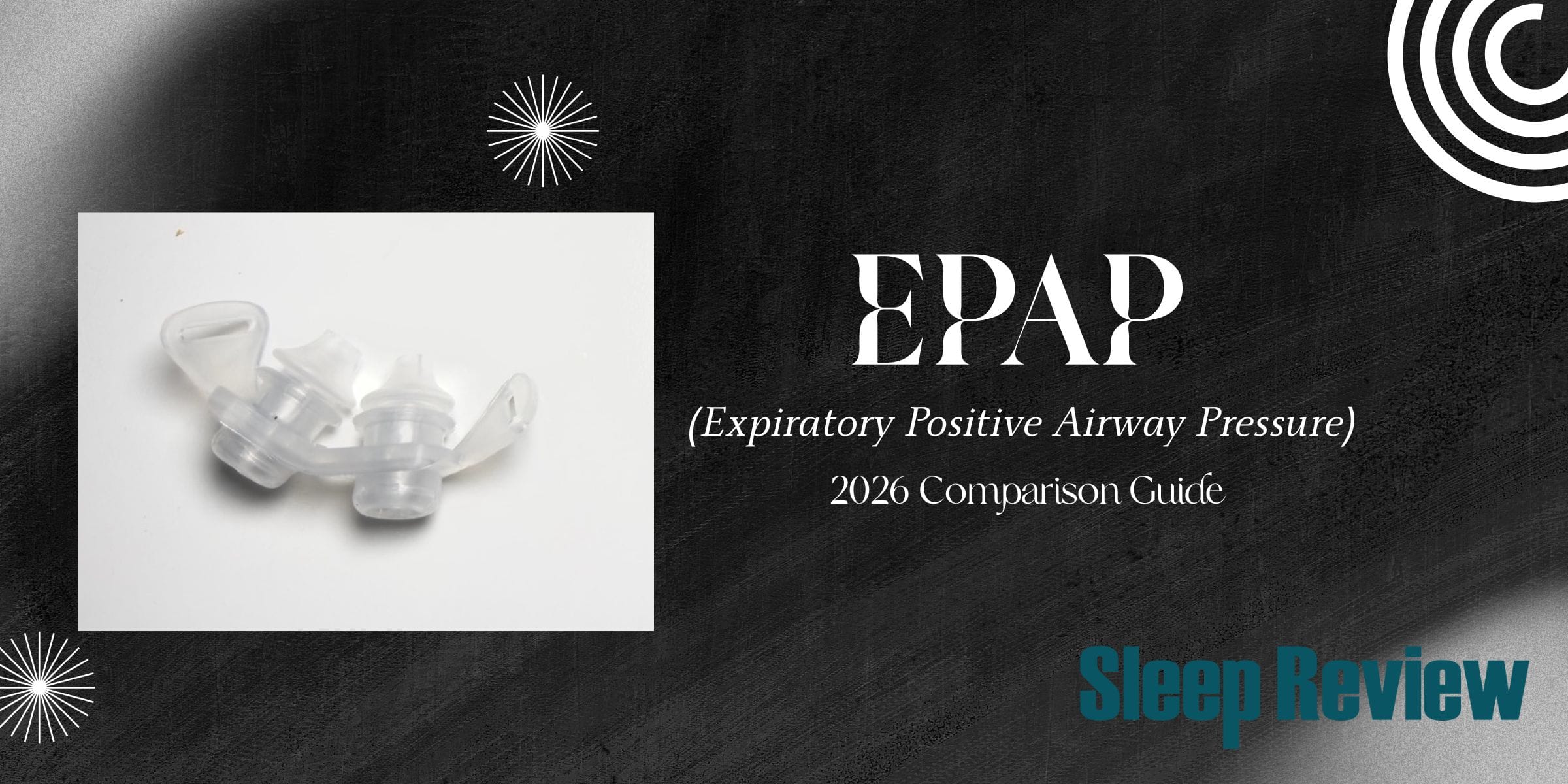
To understand the current state of the market, it is essential to compare the three primary devices currently defining the space: the AirAvant Medical Bongo Rx, the BRYGGS Medical ULTepap 2, and the CPAPNEA Optipillows EPAP Mask.
1. AirAvant Medical Bongo Rx
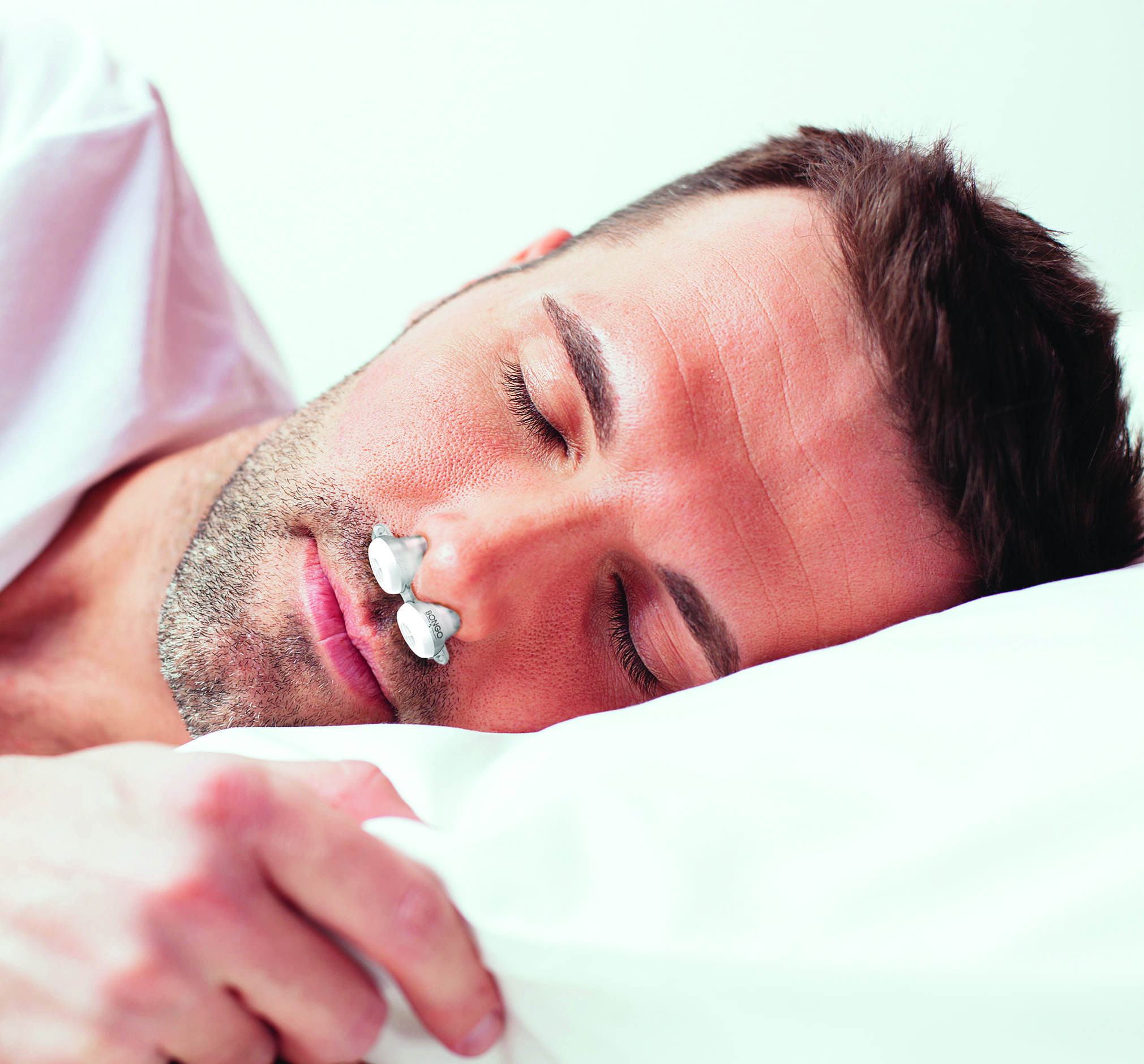
Designed for patients who prioritize simplicity, the Bongo Rx is a prescription-based device. It utilizes soft nasal seals that provide the added benefit of nasal dilation. Because it is designed to be worn without bulky headgear, it is arguably the most "invisible" option.
- Key Advantage: Ease of use and minimal aesthetic footprint.
- Ideal User: The traveler or the patient who finds traditional masks psychologically overwhelming.
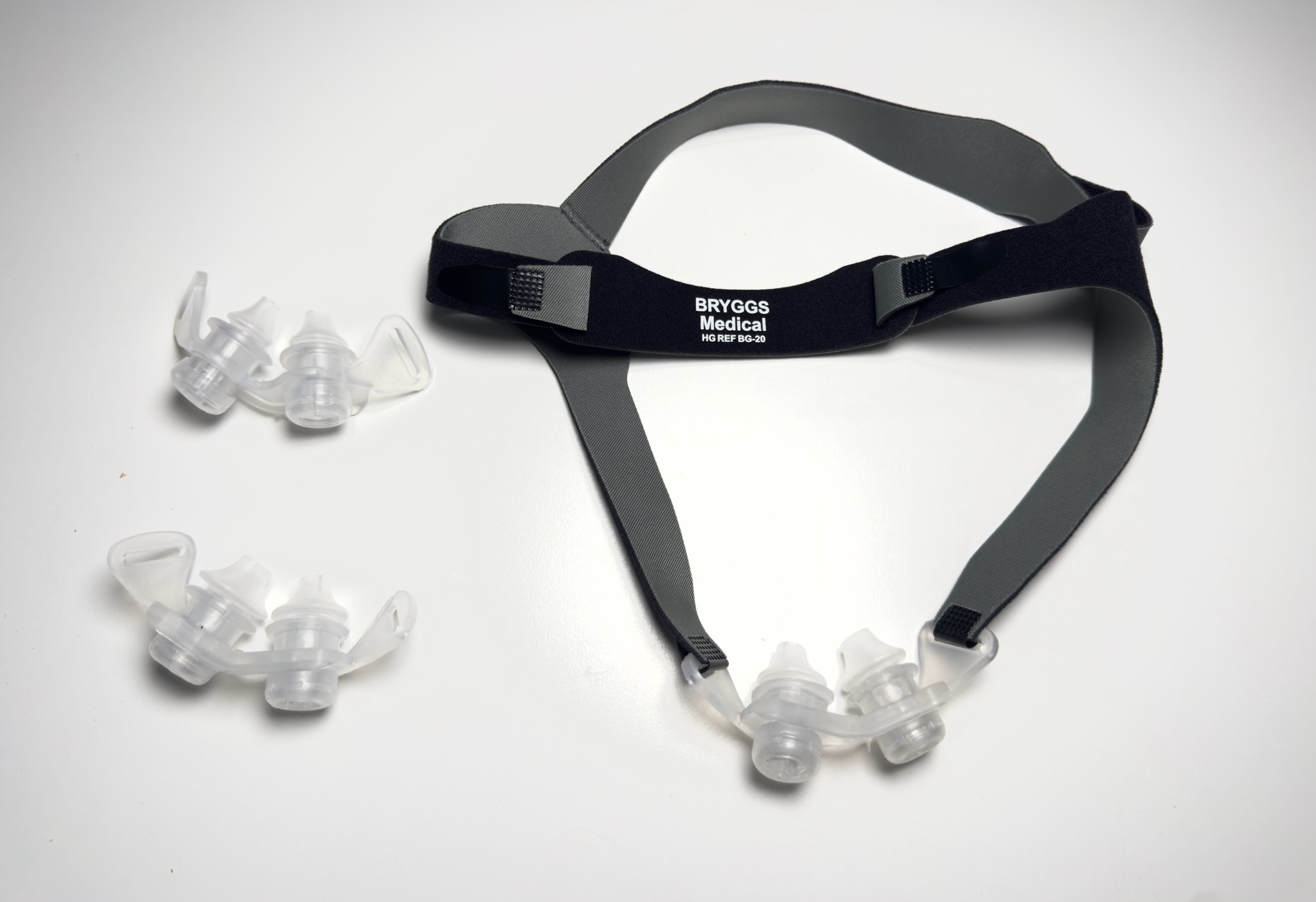
2. BRYGGS Medical ULTepap 2
The ULTepap 2 is engineered for precision. It features a dual-setting resistance mechanism. Users can maintain a standard pressure or, if the resistance feels excessive, remove the caps on the valves to lower the pressure while maintaining therapeutic efficacy.
- Key Advantage: Adjustable backpressure.
- Ideal User: Patients who require a "titration" period to adjust to the sensation of resistance.
3. CPAPNEA Optipillows EPAP Mask
Breaking the mold of the prescription-only model, the Optipillows EPAP Mask is available for purchase without a prescription. Designed by a sleep physician, it offers a wider range of pressure (1.5–14.5 cm H2O) and includes an adjustable headstrap for a more secure fit.
- Key Advantage: OTC availability and high customizability.
- Ideal User: Individuals looking for an economical, immediate solution for snoring and mild OSA.
Supporting Scientific Data
The efficacy of EPAP is supported by clinical data focused on the reduction of the Apnea-Hypopnea Index (AHI). The FDA clearances for these devices were granted based on clinical trials showing their ability to maintain airway patency.
Furthermore, laboratory bench studies—such as the 2022 research published in Sleep Medicine—have compared the flow resistance of these devices to ensure that the pressures generated are consistent with the requirements of patients with mild-to-moderate OSA. While CPAP remains superior for severe cases where high pressure is required to force open deeply collapsed airways, the data confirms that for the right patient profile, EPAP is not merely a placebo; it is a functional, therapeutic tool.
Official Manufacturer Responses and Clinical Perspectives
The manufacturers of these devices emphasize that EPAP is not a replacement for CPAP in all scenarios. Rather, they position it as a "bridge" or a "secondary" therapy.
"We recognize that CPAP is the gold standard," says an industry representative. "However, the best machine is the one the patient actually uses. If a patient is going to abandon CPAP due to discomfort, an EPAP device is a medically sound alternative that keeps the airway protected rather than leaving the patient untreated."
Clinicians are increasingly recommending EPAP for:
- Positional OSA: Patients whose apnea is only triggered when sleeping on their back.
- Residual OSA: Patients who have undergone surgery or other interventions but still experience minor airway collapse.
- Travel Compliance: Providing a portable option so patients do not skip therapy while away from home.
Implications for the Future of Sleep Medicine
The emergence of these devices has significant implications for the future of sleep medicine.
Economic Implications
With CPAP systems costing thousands of dollars (including machines, humidifiers, and ongoing supply replacements), EPAP devices present a significantly lower barrier to entry. While insurance coverage for EPAP is currently inconsistent, the lower MSRP of these devices makes them accessible to cash-pay patients and those utilizing FSA/HSA funds.
Clinical Workflow Changes
The existence of OTC options like the Optipillows mask signals a shift toward patient autonomy. In the coming years, we may see a more tiered approach to sleep apnea management:
- Level 1: Lifestyle modification and oral appliances/EPAP for mild cases.
- Level 2: CPAP/APAP for moderate-to-severe cases.
- Level 3: Surgical or implantable interventions for refractory cases.
The Need for Continued Education
Despite their benefits, there is a risk that patients may self-diagnose and treat using an EPAP device without a proper sleep study. Experts warn that an overnight pulse oximetry or a home sleep apnea test (HSAT) is still the prerequisite for determining if an EPAP device is appropriate. Under-treating severe OSA with an EPAP device could leave the patient at risk for cardiovascular complications.
Conclusion: A Personalized Approach to Sleep
The "one-size-fits-all" era of sleep apnea treatment is fading. The inclusion of EPAP devices in the clinical toolkit offers a much-needed level of personalization. By bridging the gap between no treatment and the full, intensive burden of CPAP, these devices are empowering patients to take control of their sleep health on their own terms.
As technology continues to refine the comfort and efficacy of these valves, the focus for the next decade will likely be on better patient selection and ensuring that the move toward "consumer-grade" sleep devices is supported by the same rigorous clinical oversight that has defined the gold-standard treatments of the past. For the patient who has long struggled with the hum and hose of a traditional CPAP, the quiet, compact world of EPAP may finally offer the rest they have been seeking.