










For millions of individuals living with obstructive sleep apnea (OSA), the Continuous Positive Airway Pressure (CPAP) machine is a life-saving intervention. By delivering a steady stream of pressurized air to keep the upper airway open during sleep, CPAP therapy significantly reduces the risk of cardiovascular events, daytime fatigue, and cognitive decline associated with untreated sleep-disordered breathing.
However, the efficacy of CPAP is entirely dependent on one critical factor: adherence. Despite its clear medical benefits, many patients struggle to incorporate the device into their nightly routine. A new wave of survey data from the telehealth firm Allermi suggests that a long-overlooked culprit—nasal congestion—may be one of the most significant, yet treatable, drivers of CPAP nonadherence.
The Scope of the Problem: Why Patients Abandon Therapy
The struggle to maintain CPAP compliance is a well-documented phenomenon in sleep medicine. Research has historically focused on mask fit, pressure settings, and psychological adjustment as the primary barriers to successful therapy. Yet, the recent survey of 112 Allermi customers highlights that physiological discomfort, specifically nasal obstruction, is a pervasive issue that often goes unaddressed in standard clinical workflows.
According to the data, 80% of respondents identified nasal congestion as a major obstacle to wearing their CPAP masks consistently. Perhaps more alarmingly, 56% of those surveyed reported that their congestion was severe enough that they had seriously considered abandoning their CPAP therapy altogether before seeking intervention through personalized nasal care.
For these patients, the sensation of "air hunger" or the feeling of being unable to breathe comfortably through the nose while the mask is pressurized creates a cycle of frustration. This often leads to patients removing their masks mid-sleep, effectively neutralizing the therapeutic benefits of the machine.
Chronology of the Discovery and Survey Methodology
The survey, conducted between August 28, 2026, and September 2, 2026, aimed to quantify the relationship between nasal health and device compliance. While not a randomized, double-blind clinical trial, the study provides a robust snapshot of the patient experience within the Allermi ecosystem.
- Late August 2026: Allermi initiates a data collection effort among its verified user base to better understand the correlation between nasal symptom management and CPAP usage patterns.
- Early September 2026: Preliminary data analysis reveals a striking trend: patients who utilized a personalized prescription nasal spray reported a significant subjective improvement in their ability to tolerate CPAP therapy.
- Mid-September 2026: The findings are shared with the broader sleep medicine community, highlighting the necessity of treating the "upper airway entrance" alongside the "lower airway pressure."
The survey methodology relied on retrospective self-reporting, where users were asked to compare their CPAP usage patterns before and after the introduction of a personalized nasal spray regimen. While self-reported data carries inherent limitations—such as recall bias—the consistency of the responses across the cohort points to a strong clinical signal that warrants further investigation.
Supporting Data: Connecting Nasal Patency to CPAP Success
The clinical association between nasal obstruction and CPAP failure is not new, but it is frequently neglected. Nasal obstruction—often caused by allergic rhinitis, vasomotor rhinitis, or anatomical issues like a deviated septum—increases the resistance of the upper airway. When a patient with a congested nose uses a CPAP device, the pressure required to maintain airway patency often increases, which can lead to air leaks, dry mouth, and an overall sense of suffocation.
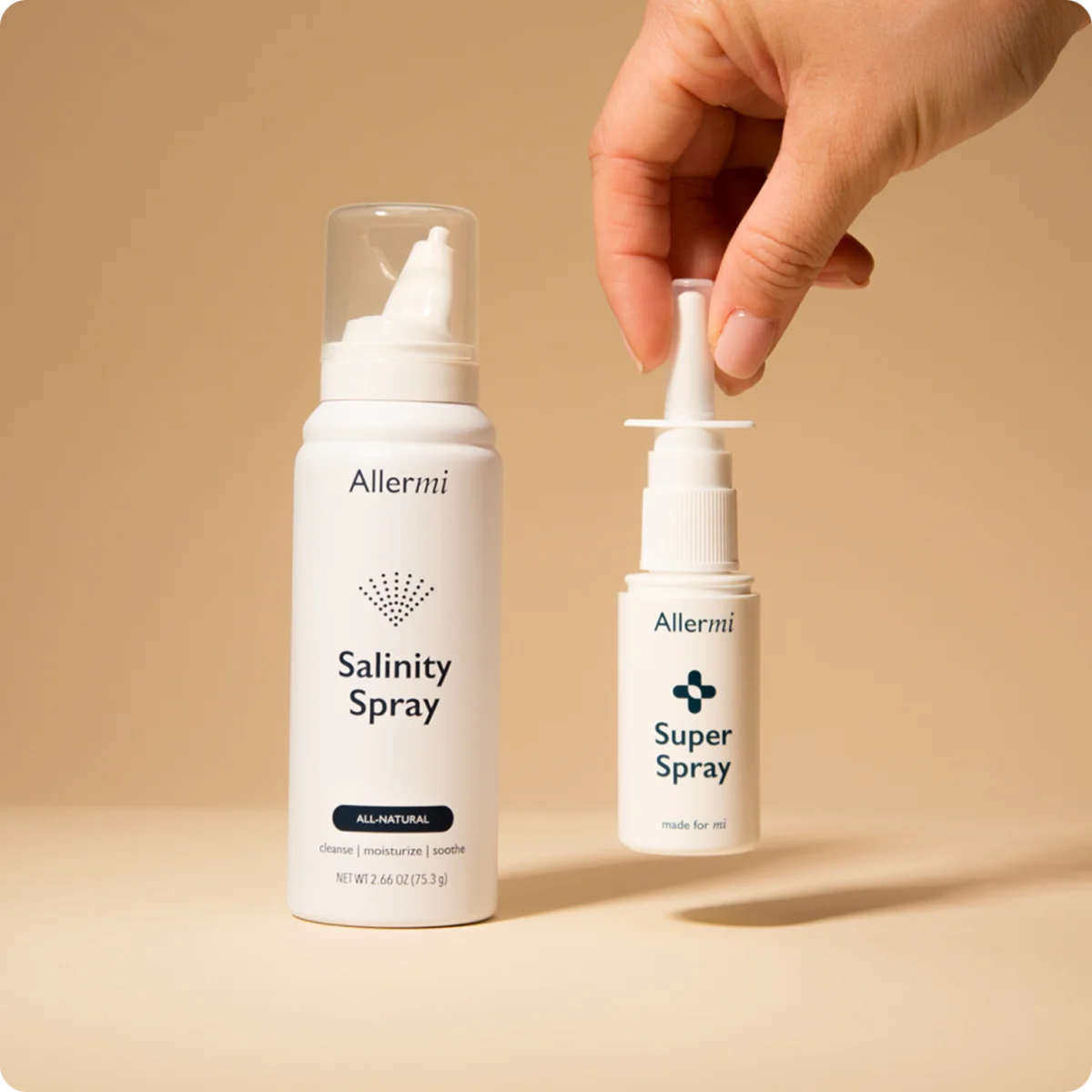
By addressing the inflammation and congestion within the nasal cavity, patients can achieve better airflow. The Allermi survey results suggest that when the nose is "clear," the pressure delivered by the CPAP machine becomes more tolerable, leading to longer durations of wear throughout the night.
This aligns with established sleep medicine principles: the nose is the "gatekeeper" of the respiratory system. If the gate is closed or restricted, the body’s natural response is to breathe through the mouth, which is highly disruptive to the mechanics of CPAP therapy.
Official Perspectives: Shifting the Focus to Nasal Health
The medical community is increasingly acknowledging that a "one-size-fits-all" approach to CPAP therapy is insufficient. Experts argue that the nasal passage should be evaluated with the same rigor as the throat and soft palate.
Dr. Shuba Iyengar on the Patient Experience
Dr. Shuba Iyengar, chief medical officer and co-founder of Allermi, emphasizes that the patient’s own voice is the most valuable diagnostic tool. "Nasal congestion is one of the most common complaints we hear from patients who use CPAP, and it is rarely treated as part of the therapy itself," says Dr. Iyengar. "When patients tell us in their own words that they can finally keep the mask on, that is a signal worth taking seriously, and it is why we are investing in more research with sleep medicine partners."
Dr. Rafael Pelayo on the Evolution of Sleep Medicine
Reflecting on his decades of experience, Dr. Rafael Pelayo of the Stanford Sleep Medicine Center notes that the field has undergone a significant paradigm shift. "When I first started my career in sleep medicine, I did not appreciate the importance of nasal breathing," Dr. Pelayo admits. "The early clinical teaching focused more on the soft palate and base of the tongue. But gradually I began to appreciate more the importance for my sleep apnea patients of having open nasal passages."
Dr. Pelayo’s observation underscores a critical evolution in how sleep specialists treat patients. By expanding the focus from simply forcing the airway open to ensuring the upper airway is clear and unobstructed, physicians can drastically improve patient outcomes.
Implications for Future Sleep Medicine Practice
The implications of this data for the future of CPAP adherence are substantial. If a simple, personalized nasal spray can move the needle on patient compliance, it suggests that thousands of patients who are currently "CPAP failures" could be successfully re-engaged with treatment.
1. The Role of Precision Medicine
The move toward "personalized" nasal sprays—tailored to the specific inflammatory profile of the patient—suggests that standardized over-the-counter decongestants may not be the optimal solution. Future clinical protocols may involve a more detailed assessment of the nasal cavity during the initial sleep apnea diagnosis.
2. Redefining "Adherence" Strategies
Sleep clinics and durable medical equipment (DME) providers should consider incorporating nasal health assessments into their initial patient onboarding. If a patient is identified as having chronic congestion, a nasal treatment plan should be initiated concurrently with the CPAP setup to prevent the early frustration that often leads to device abandonment.
3. Bridging the Gap Between Telehealth and Traditional Care
The success of this initiative highlights the unique strengths of telehealth models. By providing accessible, ongoing support and rapid iterations of treatment (such as adjusting a nasal spray formula), companies like Allermi can help patients navigate the early, difficult weeks of CPAP adoption.
Conclusion: A Clear Path Forward
The battle for CPAP adherence is often fought at the nasal level. The data from Allermi serves as a timely reminder that sleep medicine is a holistic endeavor; you cannot effectively treat the lungs or the throat if you ignore the nose.
While further, large-scale clinical trials are necessary to validate these findings with objective device usage data (such as internal CPAP usage logs), the anecdotal and survey evidence is compelling. For the millions who struggle to keep their masks on, the answer might not be a different mask or a different pressure setting—it might be as simple as breathing clearly again.
As the medical community continues to refine the treatment of sleep-disordered breathing, integrating nasal health into the standard of care could be the key to unlocking better health, improved energy, and long-term success for sleep apnea patients everywhere. By prioritizing the comfort and physiological ease of the patient, sleep medicine can move away from a model of "compliance enforcement" and toward a model of "patient-centered success."