








2 July, 2026
As the global medical community prepares for the inaugural European Respiratory Society (ERS) Cough Conference, scheduled for 15–17 July in London and online, a paradigm shift in respiratory medicine is becoming increasingly evident. The event marks a significant departure from traditional, purely clinical academic symposia. By placing “lived experience” at the very heart of its scientific and clinical discussions, the ERS is signaling that the future of respiratory care relies not just on laboratory data and diagnostic algorithms, but on the nuanced, human reality of the patients themselves.
Main Facts: A New Chapter in Respiratory Medicine
The ERS Cough Conference stands as a landmark event in the 2026 respiratory health calendar. Its primary objective is to dismantle the silos that often separate patients from practitioners. Chronic cough, a condition that can be debilitating, socially isolating, and often difficult to treat, is the central focus of the three-day programme.
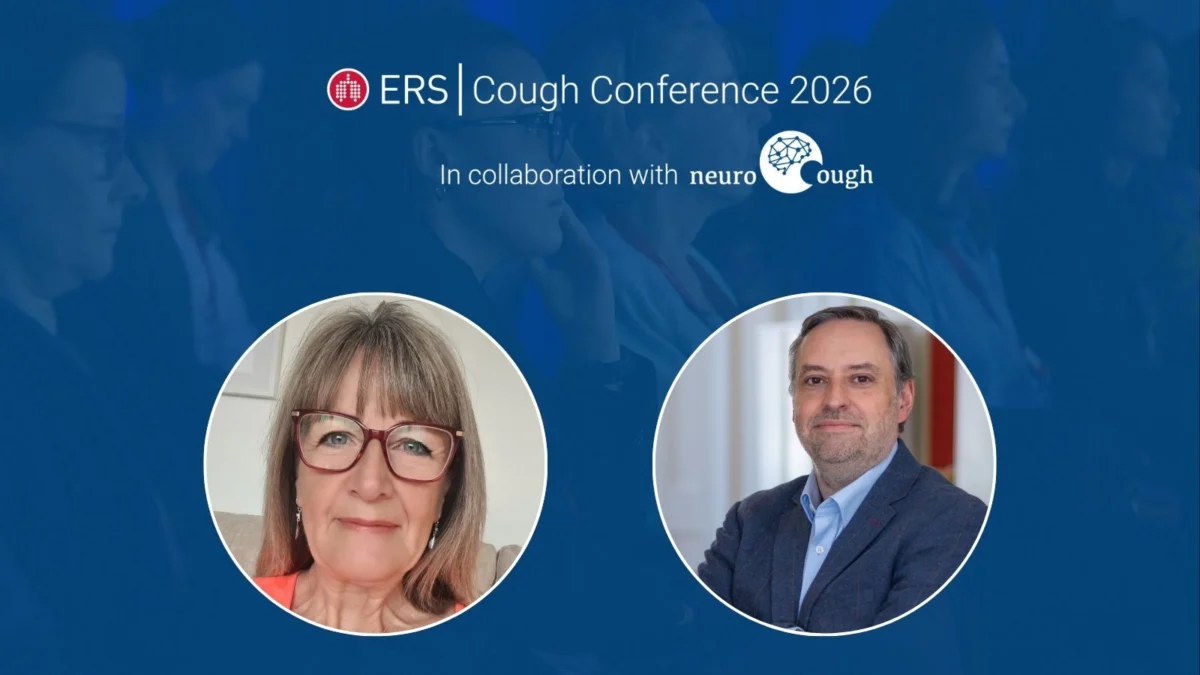
By inviting patients like Andrew Lothian and Ruth Last to share their personal narratives, the ERS is operationalizing its core strategic goal: enhancing the partnership between patients and healthcare professionals. The conference aims to demonstrate that clinical excellence is incomplete without the integration of patient-reported outcomes (PROs) and the qualitative insights that only those living with the disease can provide.
Chronology: The Evolution Toward Patient-Centricity
The path to this conference has been characterized by a growing recognition within the ERS that the "patient voice" has been historically underutilized.
- Early 2025: The ERS announces the formation of the inaugural Cough Conference, with a explicit mandate to incorporate patient representation into the scientific committee.
- Late 2025: Strategic planning meetings confirm that the conference will not merely feature a "patient track," but will integrate patient insights into the core scientific sessions alongside clinical and research presentations.
- Spring 2026: Preparations intensify as patient advocates, including Andrew Lothian and Ruth Last, begin collaborating with session chairs to ensure that their testimony informs the research agenda.
- 15–17 July 2026: The three-day conference convenes in London, featuring a hybrid model designed to maximize global reach, with a focus on translating lived experience into actionable clinical pathways.
Supporting Data: The Limitations of the "Clinical Lens"
The necessity of this shift is underscored by the reality of chronic cough as a condition. While standard clinical measures—such as cough frequency, spirometry, and inflammatory markers—provide essential data, they frequently fail to capture the holistic burden of the disease.
Research indicates that chronic cough carries a significant "hidden" load:
- Social Withdrawal: Many patients report avoiding public spaces, social gatherings, or professional settings due to the unpredictability of their cough.
- Emotional Toll: Anxiety, depression, and a sense of hopelessness are frequently reported comorbidities, yet they are rarely the primary focus of standard treatment protocols.
- The Diagnostic Odyssey: Patients often endure years of misdiagnosis or ineffective treatments before finding a specialist who can address the root cause of their chronic cough.
The inclusion of voices like Ruth and Andrew serves as a qualitative dataset that fills these gaps. When a patient explains how their cough impacts their ability to maintain employment or family relationships, it provides clinicians with an "emotional mapping" of the disease that cannot be replicated in a peer-reviewed journal article.
Voices from the Frontline: The Patient Perspective
For Andrew Lothian, the opportunity to participate in the ERS Cough Conference is both a responsibility and a privilege. "I hope that the incorporation of the patient perspective will lead the delegates to a more rounded and holistic understanding of chronic cough," he notes.
Andrew emphasizes that his participation is not just about sharing his own struggles, but about creating a bidirectional flow of information. "I am looking forward to meeting clinicians and understanding both the opportunities and challenges that they face in their professional practice. By doing so, we can move toward a system where patients are truly partners in the development of diagnostics and care services."
Ruth Last, another key contributor to the event, argues that the "human perspective" is the missing ingredient in much of modern medical discourse. "The advancement of clinical knowledge and research are absolutely crucial, but they can only ever tell part of the story," she says. "Giving patients a platform and voice allows delegates to be introduced to the day-to-day reality of living with respiratory disease—its physical, emotional, and social impact—in ways that studies and data alone would never fully capture."
Both Lothian and Last speak to the profound sense of isolation that often accompanies respiratory conditions. By bringing these experiences into the halls of academia, the ERS is taking a decisive step toward de-stigmatizing chronic cough and ensuring that medical practitioners understand that they are treating a person, not just a cough.
Official Responses: A Strategic Commitment
The leadership of the ERS has been vocal about the necessity of this transition. Prof. Fan Chung, co-chair of the Cough Conference, expressed gratitude for the courage required for patients to share their stories in such a high-stakes professional environment.
"Patient testimony helps to inform researchers and clinicians about the impact of chronic cough on an individual’s daily life; lived experience complements professional and scientific expertise," Prof. Chung stated. He emphasized that the "co-production" of knowledge is the future of medical science.
This sentiment was echoed by Prof. Omar Usmani, Chair of the ERS Science Council and co-chair of the conference. Prof. Usmani placed the London event in the context of a broader global movement. "These are just some of the reasons why the ERS is committed to enhancing patient-professional partnerships—a strategic aim that will also become reality on a global scale this year at the ERS Congress in Barcelona," he said, referencing the congress theme: United for better breathing—partnership between patients, clinicians and researchers.
Implications: The Future of Clinical Care
The implications of this shift are profound. If the ERS model proves successful, it could set a new gold standard for medical conferences across all specialties.
1. Challenging Assumptions
As Andrew Lothian noted, the presence of patients can challenge long-held clinical assumptions. What a clinician considers a "successful treatment" (e.g., a 20% reduction in cough frequency) might be viewed differently by a patient who still experiences significant social anxiety. By aligning these definitions of success, treatment outcomes are likely to improve.
2. Identifying Unmet Needs
Patients are often the first to identify gaps in care—such as the lack of support for the mental health aspects of chronic cough or the need for more accessible diagnostic tools. By incorporating these insights into the research pipeline, the ERS is effectively shortening the time between the identification of a problem and the development of a solution.
3. Empathy-Driven Treatment
The move toward patient-centered care is not just about logistics; it is about empathy. When clinicians are regularly exposed to the lived experience of their patients, it fosters a more empathetic clinical culture. This, in turn, can improve patient adherence to treatment plans and strengthen the doctor-patient relationship, which is a vital component of any successful therapeutic intervention.
4. A Global Blueprint
The ERS’s focus on partnership serves as a template for other global health organizations. In an era where "patient-centricity" is often a buzzword, the ERS is providing a concrete, actionable framework for what this actually looks like in practice.
Conclusion
As the medical world turns its attention to London this July, the ERS Cough Conference stands as a testament to the power of collaboration. By valuing the "human" alongside the "scientific," the society is not just aiming for better treatment of a cough; it is aiming for a more compassionate and comprehensive understanding of the human condition in the face of illness.
For those who suffer from chronic cough, the message from the ERS is clear: you are no longer just the subject of medical research; you are an essential partner in the pursuit of better breathing.
For more information on the conference or to register, visit the official ERS Cough Conference portal. To learn more about the ERS’s overarching strategy and its commitment to patient-professional partnerships, read more here.