










For many, the first sign of aging isn’t a grey hair or a new wrinkle; it’s the realization that a simple glass jar of pasta sauce has become a formidable opponent. Whether it is the inability to twist off a lid, the need to constantly switch a heavy shopping bag from one hand to the other, or a general sense of stiffness in the palms, the gradual erosion of hand strength is a milestone many of us reach after 65.
As a trainer with TRAINFITNESS, the UK’s leading fitness education provider, I have spent years working with older adults. I consistently observe a specific, predictable pattern: the hand becomes weaker in every direction simultaneously. Often, individuals write this off as the inevitable progression of arthritis, but in many cases, it is actually a symptom of "disuse atrophy." We have engineered the physical challenge out of our daily lives, and our hands are paying the price.
The Anatomy of the Decline
The thumb is typically the first casualty of this decline. The "pinch strength" required to hold a smartphone, grip a fork, or turn a doorknob is foundational to independent living. When this fades, simple tasks begin to feel cumbersome, and the world starts to feel slightly more difficult to navigate.
Beyond the thumb, there is a fundamental muscular imbalance occurring. Throughout our lives, we perform thousands of movements that involve gripping—closing our fingers around objects. Conversely, we rarely perform movements that require us to fully open our hands against resistance. This creates a scenario where the "closing" muscles are far stronger than the "opening" (extensor) muscles. Over decades, this imbalance leads to a sensation of stiffness, cramping, and a "claw-like" tension that characterizes many aging hands.
Our modern environment has exacerbated this. We no longer wring out laundry by hand, we rarely have to use physical force to open heavy doors, and even our kitchens have shifted from manual tools to push-button convenience. After 65, this lack of daily stimulus can result in a loss of grip strength that is more than 50% lower than what it was at age 40.
Why Traditional "Grippers" Fail
Many people attempt to combat this decline with spring-loaded hand grippers. However, these tools are fundamentally flawed for comprehensive hand health. They train only one pattern: the "crush." The human hand is a sophisticated piece of biomechanical engineering that requires four distinct skills:
- Crushing: Closing the hand around an object.
- Pinching: Applying pressure between the thumb and fingers.
- Twisting: Rotational force.
- Holding: Sustained isometric endurance.
A standard gripper ignores three of these four essential pillars. To restore full function, we must adopt a more holistic approach that fits into the gaps of our daily routine.
The 8-Minute Protocol: Four Daily Exercises
You do not need a gym membership or expensive equipment to reverse this trend. The following four exercises utilize household items to target all four grip patterns.
1. The Rolled Hand Towel Squeeze (Crush Strength)
This movement targets the crush grip but adds a layer of proprioceptive feedback that metal grippers lack. Because a towel compresses, it forces the small muscles of your palm and fingers to coordinate more effectively.
- How to do it: Roll a standard hand towel into a tight cylinder. Hold it in one hand. Squeeze as hard as you can for three seconds, focusing on driving your fingertips into the center of the roll. Release and repeat.
- Sets and Reps: 12 squeezes per hand, 2 rounds per side.
2. The Fingertip Fan and Grip (Extensor Strength)
This is the antidote to the "claw hand." By focusing on the muscles that open the fingers, you create the balance necessary to keep the hand feeling fluid rather than cramped.
- How to do it: Place your palm flat on a table. Keeping your palm down, attempt to lift each finger individually off the surface. Once you have mastered that, place a thick rubber band around your fingers and thumb and spread them outward against the resistance.
- Sets and Reps: 10 slow, controlled repetitions per hand.
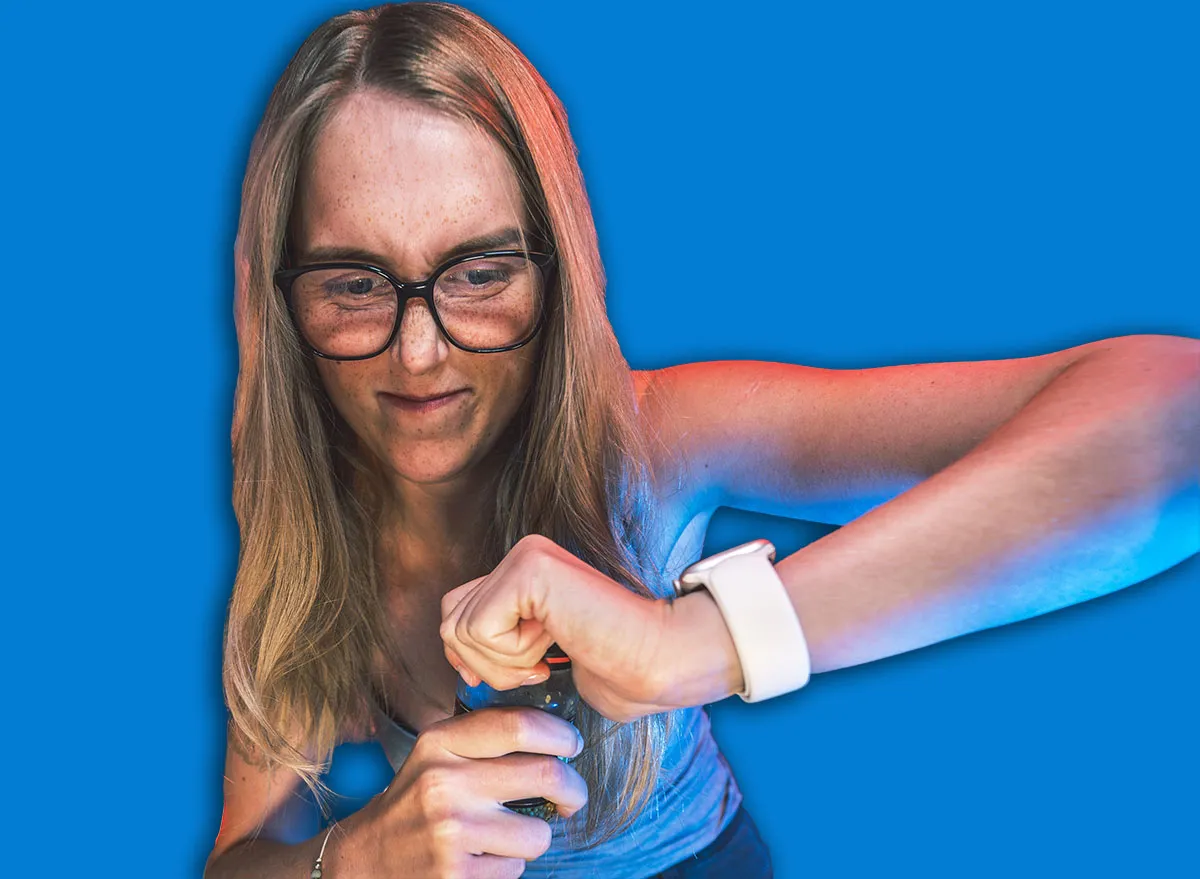
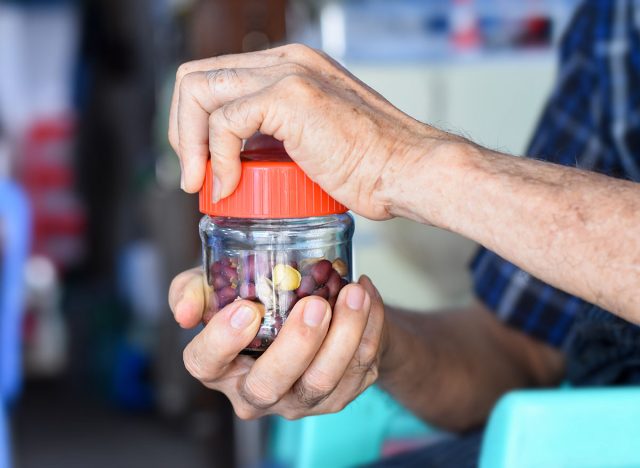
3. Jar Lid Turn Practice (Rotational Strength)
Rotational strength is the first to fade, yet it is the most vital for day-to-day functionality.
- How to do it: Take an empty jar. Place the lid on loosely. Use your dominant hand to twist the lid on and off. As you improve, tighten the lid slightly more each day to increase the resistance. Ensure your forearm is engaged throughout the movement.
- Sets and Reps: 8 "open" and 8 "close" rotations per side.
4. Water Bottle Wrist Curl (Sustained Hold)
The wrist acts as the anchor for your grip. If your wrist is weak, your hand will fail long before your arm is truly tired.
- How to do it: Hold a half-full water bottle by the neck. With your forearm resting on a table, curl your wrist upward (palm up), then downward (palm down). This builds the stability needed to carry kettles and shopping bags with ease.
- Sets and Reps: 12 reps palm up, 12 reps palm down per side.
Integrating Into Your Routine
Consistency is the primary driver of success. I recommend "habit stacking"—linking these exercises to natural pauses in your day:
- The Towel Squeeze: During the morning news.
- The Fingertip Fan: While waiting for the kettle to boil.
- The Jar Turn: While waiting for dinner to heat up.
- The Wrist Curl: While watching your favorite evening show.
Supporting Data and Progress Markers
It is important to track progress to maintain motivation. The neural pathways—the communication between your brain and your hand muscles—will adapt within the first week. You will likely notice that jars feel less intimidating almost immediately.
By the 3-to-4-week mark, structural changes begin. The muscle density in your forearms will increase, and you will notice that tasks like ironing or peeling vegetables no longer result in cramping. By the 6-to-8-week mark, you should experience a "firmer" sensation in your hands. This is the stage where friends and family often notice an increase in your physical confidence and capability around the home.
The Broader Implications: Independence
Grip strength is not just about convenience; it is a clinical marker of longevity and independent living. Research has consistently shown that lower grip strength in older adults is correlated with a higher risk of frailty and slower recovery from illness.
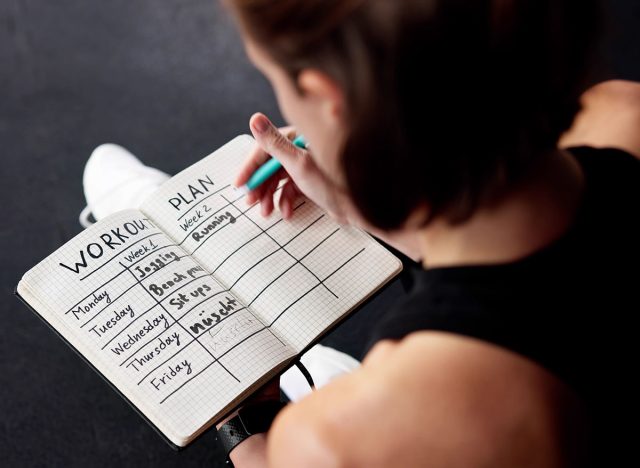
By dedicating just eight minutes a day to these movements, you are effectively buying yourself years of autonomy. You are ensuring that you can carry your own groceries, open your own medicine bottles, and hold the hand of a grandchild with steady, reliable strength. In the context of aging, this is one of the highest "returns on investment" you can make for your physical health.
If you experience pain, consult with a physiotherapist to ensure your form is correct. Otherwise, remember that for most, the discomfort of the exercises is simply the feeling of neglected muscles waking up to the work they were designed to do. Consistency is the key; if your forearms feel fatigued, take one rest day, but aim for six days of practice per week to see the most significant results.