









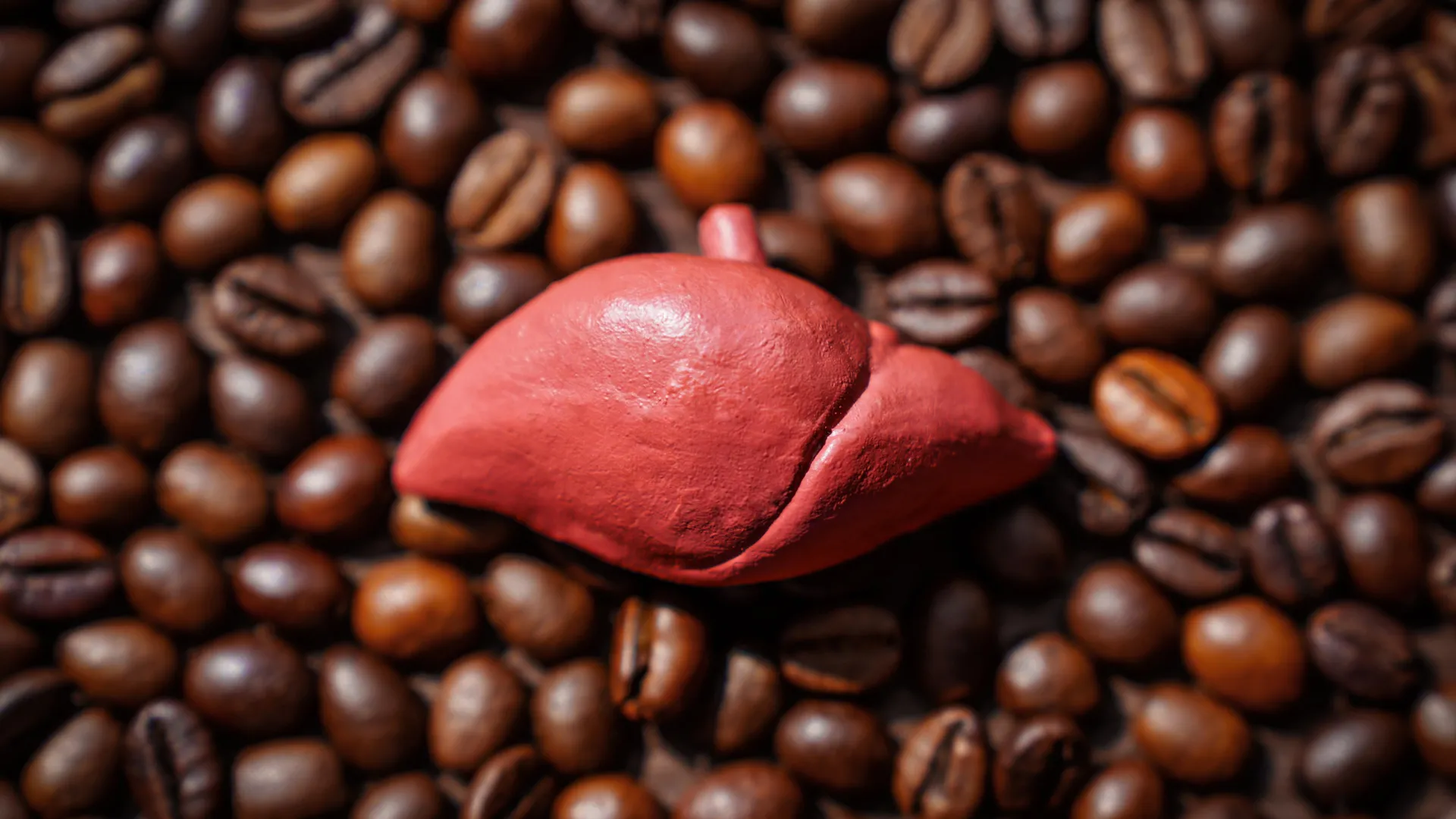
For centuries, coffee has been the world’s most popular morning ritual, a dark, aromatic elixir prized for its ability to sharpen the mind and invigorate the spirit. Yet, beyond the temporary jolt of caffeine, a growing body of scientific evidence suggests that the humble coffee bean may hold profound therapeutic potential for one of the body’s most vital organs: the liver.
A monumental new study conducted by researchers at Cedars-Sinai Medical Center—one of the most comprehensive investigations into the subject to date—has provided the most robust evidence yet that higher coffee consumption is significantly associated with a lower risk of cirrhosis, liver cancer, and liver-related mortality. Published in the journal Clinical Gastroenterology and Hepatology, this research transcends simple observation, delving into the molecular mechanisms that suggest coffee may act as a silent guardian for liver health.
The Core Findings: A Decade of Data
The study, which tracked the health outcomes of 354,957 participants from the UK Biobank, offers a compelling look at long-term liver health. By analyzing the medical histories of individuals who were free of cirrhosis or liver cancer at the study’s inception, researchers were able to follow these subjects over a median period of 13 years, creating a high-resolution map of how lifestyle habits correlate with clinical outcomes.
The findings are striking. Participants who consumed five or more cups of coffee daily exhibited a 32% lower risk of developing cirrhosis, a 47% reduction in the risk of liver cancer, and a 42% lower risk of dying from liver-related disease compared to those who abstained from coffee entirely.
While the most dramatic reductions were observed among the highest consumers, the researchers noted that the protective effect is not an "all-or-nothing" phenomenon. Even those who enjoyed a modest one or two cups per day showed measurable benefits, with the "sweet spot" for risk reduction appearing to hover between three and four cups daily.
Chronology of the Investigation
The journey to these findings was complex, requiring a multi-layered approach to medical data. The Cedars-Sinai team did not rely solely on self-reported questionnaires; they integrated these habits with objective clinical measurements.
- Baseline Recruitment (Year 0): Researchers enrolled over 350,000 UK Biobank participants, establishing a cohort with no history of chronic liver disease.
- Longitudinal Tracking (Years 1–13): The team monitored the cohort through linked medical records, recording any new diagnoses of cirrhosis, malignancy, or mortality related to liver dysfunction.
- Advanced Diagnostic Analysis: To understand the why behind the what, the team performed MRI scans to evaluate physical indicators of liver health, such as fat accumulation, iron content, inflammation, and fibrosis (scarring).
- Molecular Profiling: Researchers analyzed blood protein markers associated with both liver injury and liver health, providing a molecular snapshot of the participants’ internal physiology.
This multi-pronged methodology allowed the authors to move beyond simple statistics and observe the biological "fingerprints" of coffee’s influence on the liver.
Supporting Data: Decoding the Liver’s Response
One of the most innovative aspects of this study is its use of diagnostic imaging and blood chemistry to corroborate patient-reported intake. The MRI scans provided a rare, high-definition look at the liver tissue of coffee drinkers versus non-drinkers.
The results showed that high coffee consumption was consistently linked to lower levels of liver fat and reduced iron deposition—two primary drivers of metabolic liver disease. Furthermore, the scans showed a reduction in fibrosis and inflammation, indicating that coffee drinkers’ livers were structurally healthier.
When blood samples were analyzed, the researchers found a higher concentration of proteins associated with robust liver function and a decrease in inflammatory markers. This suggests that coffee may work by modulating the body’s inflammatory pathways, essentially helping the liver resist the chronic stress and scarring that lead to failure.
Perhaps most intriguingly, the study found that decaffeinated coffee yielded similar protective associations as caffeinated varieties. This is a crucial finding, as it implies that the liver-protective components are likely not caffeine itself, but rather the hundreds of other naturally occurring bioactive compounds—such as polyphenols, diterpenes, and chlorogenic acids—found in the coffee bean.
Official Responses and Clinical Perspectives
The study’s lead authors are quick to contextualize these findings, emphasizing that while the data is statistically significant, it does not suggest that coffee is a "magic bullet."
"Previous studies suggested that coffee might benefit the liver, but most were smaller or looked at only one piece of the puzzle," explained Hyunseok Kim, MD, MPH, PhD, assistant professor of Medicine at Cedars-Sinai and the study’s corresponding author. "We followed hundreds of thousands of people for more than a decade… together, those findings help explain the biological mechanisms behind coffee’s association with better liver health."
However, the team remains cautious about translating this into a public health recommendation. Ju Dong Yang, MD, medical director of the Liver Cancer Program at Cedars-Sinai and the study’s senior author, noted that the medical community must avoid over-prescribing a beverage as a medical treatment.
"Our findings support moderate coffee consumption for people who already enjoy and tolerate it well," Dr. Yang stated. "However, we would not recommend that someone begin drinking coffee solely for liver protection based on this study alone."
The researchers emphasized that the standard of care for liver protection remains unchanged: maintaining a healthy body weight, minimizing alcohol intake, exercising regularly, and managing blood sugar and cholesterol levels are far more effective than any dietary supplement or beverage.
Implications: A New Frontier in Hepatology
The implications of this research are far-reaching. By identifying specific biological pathways related to inflammation and scarring, the study has provided researchers with new "molecular targets" for future drug discovery.
"The next step in our research is to identify the specific compounds in coffee that are responsible for these liver-protective associations," said Shelly Lu, MD, director of the Karsh Division of Gastroenterology and Hepatology at Cedars-Sinai. "Our findings point to biological pathways involving inflammation and scarring and highlight molecular targets that future research can explore to better understand how coffee may influence liver health and who stands to benefit the most."
The Importance of Caution
Despite the positive findings, the authors issued a firm reminder: coffee is not for everyone. Caffeine, while not the sole actor in these liver benefits, is a potent stimulant. For individuals with uncontrolled hypertension, heart rhythm irregularities, severe anxiety, or insomnia, increasing coffee consumption could exacerbate underlying health conditions.
Medical professionals advise that anyone considering a change in their dietary habits—especially those with pre-existing chronic conditions—should consult with their healthcare provider to ensure that the change is safe and appropriate for their individual profile.
Conclusion: A Balanced Perspective
The investigation by Cedars-Sinai represents a significant leap forward in our understanding of how diet intersects with organ health. By validating long-held suspicions about coffee’s protective nature with rigorous MRI and molecular data, the study has moved the conversation from "folklore" to "clinical science."
As research continues, the scientific community aims to isolate the precise antioxidants and phytochemicals responsible for these benefits, potentially leading to new, concentrated therapies for patients with liver disease. Until then, for the millions of people who enjoy a daily cup of coffee, this study offers a comforting reassurance: that familiar morning ritual might be doing more than just waking you up—it might be quietly protecting the very engine of your metabolic health.
As always, moderation remains the hallmark of a healthy lifestyle. Coffee is a complement to a healthy life, not a replacement for the core pillars of wellness: proper nutrition, active living, and medical vigilance.