









Picking up the kids. Grocery shopping. Navigating the morning commute. Throwing a birthday party. Making dinner. Running errands.
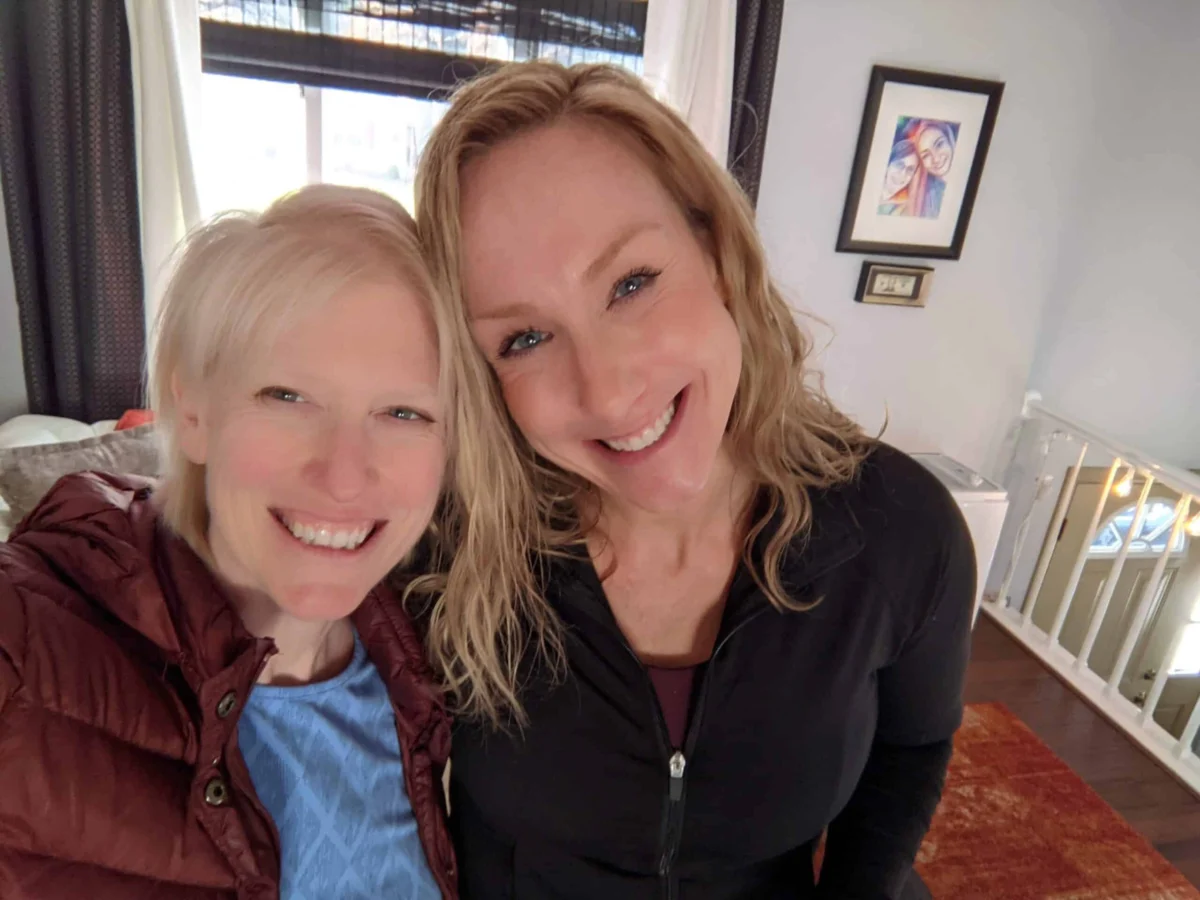
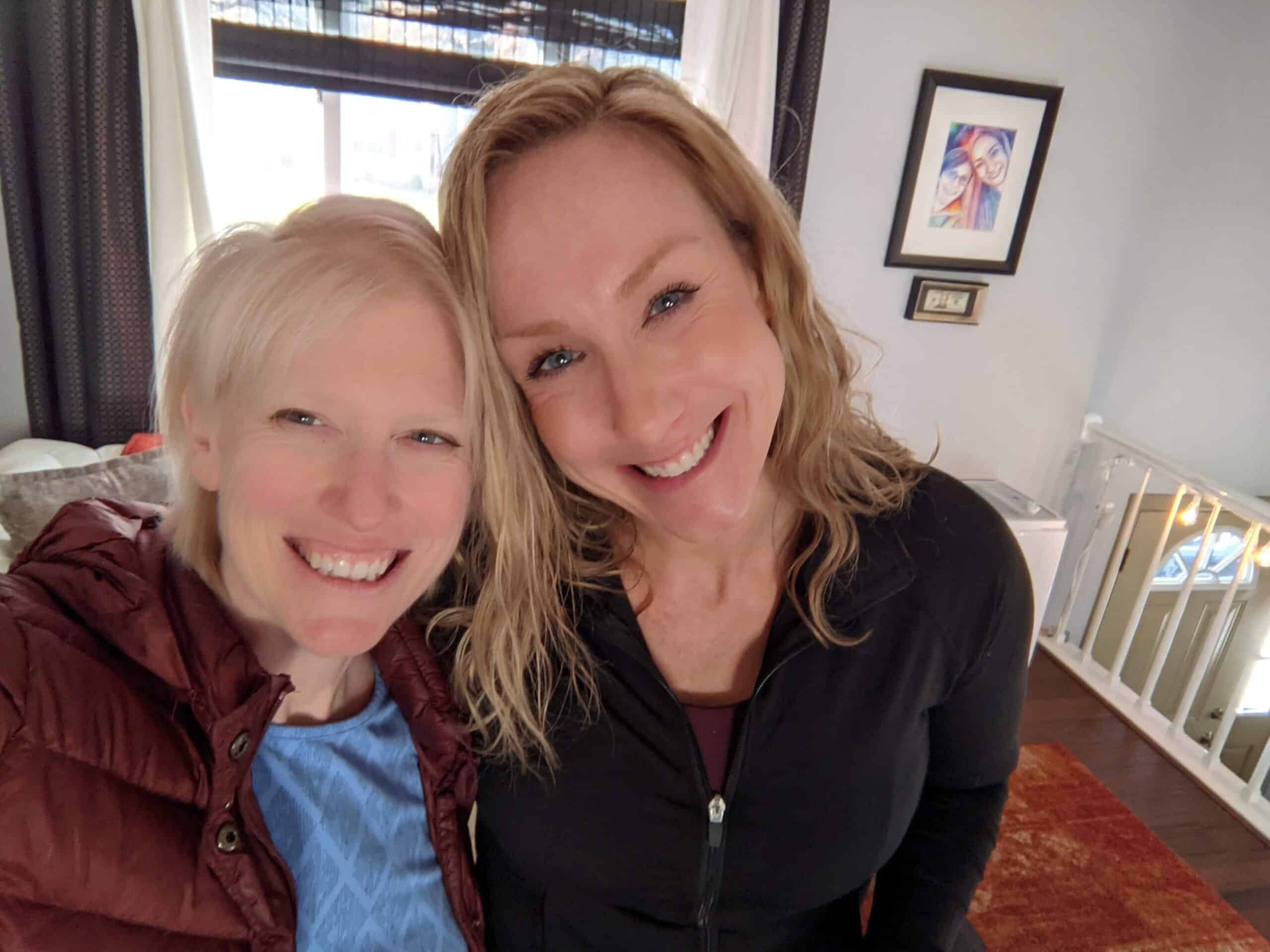
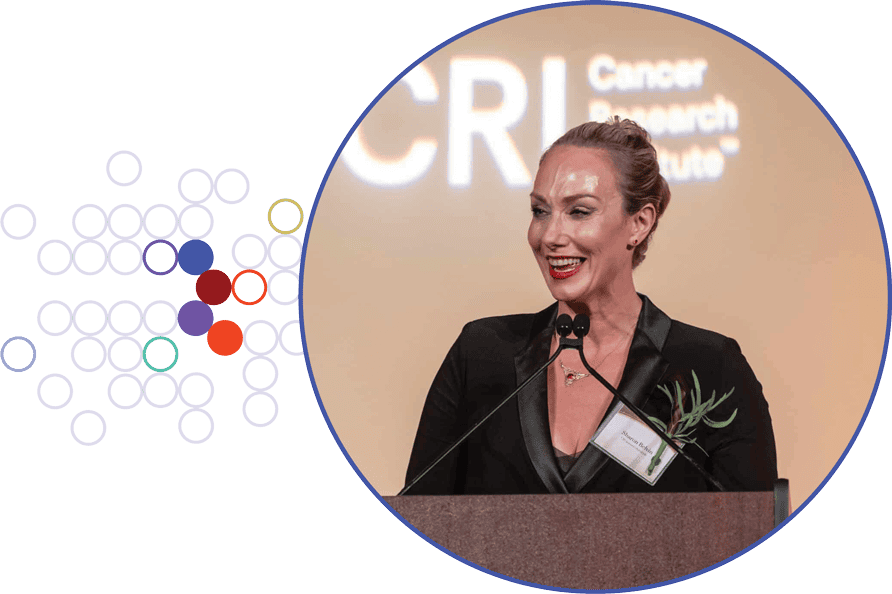
For most, these are the mundane, often tedious threads that weave together the tapestry of a normal life. But for Sharon Belvin and Jenney Bitner, two stage 4 cancer survivors, these ordinary tasks are anything but ordinary. They are milestones of grace—a testament to a future that was, at one point, almost stolen from them. Their stories, separated by nearly two decades but united by the cutting-edge science of immunotherapy, offer a profound look at how medical innovation transforms not just survival rates, but the very essence of human experience.
The Collision with Mortality: A Chronology of Crisis
Before the shadows of stage 4 melanoma fell across their lives, both women were living in the quiet comfort of the expected. They were building futures, assuming their paths would continue in an unbroken line. Then, the diagnosis arrived, acting as a violent rupture in the fabric of their lives.
For Sharon Belvin, the crisis hit in her early twenties. At just 22, she was diagnosed with stage 4 melanoma. In that era, the medical landscape was barren; treatment options were limited, and the prognosis was devastating. A diagnosis at 22 is not merely an interruption—it is a theft of a future that has yet to be fully realized.
Years later, the same specter appeared in the life of Jenney Bitner. Her battle began in 2020, amidst the isolating terror of a global pandemic. As she navigated the complexities of motherhood and pregnancy, persistent headaches began to escalate. When the diagnosis finally came—a brain tumor, aggressive and stage 4—it felt as though a clock had begun to tick down, louder and faster than she could comprehend.
Both women were pulled into a parallel reality defined by the "unbearable uncertainty" of whether they would live to see the children they were raising grow up.
The Scientific Breakthrough: From Despair to Discovery
The trajectory of their survival is inextricably linked to the rapid advancement of immunotherapy, a field of medicine that trains the body’s own immune system to identify and eradicate cancer cells.
When Sharon Belvin was diagnosed, she made a decision that would define her life: she enrolled in an early-stage clinical trial for an unproven immunotherapy. At the time, it was a desperate leap of faith, a final option when all others had vanished. Yet, the gamble paid off. The cancer retreated, and the future that had seemed impossible began to return, one fragile, miraculous piece at a time.
For Jenney Bitner, that same scientific foundation existed, but the path to it was treacherous. She endured two brain surgeries and the premature birth of her fourth child, fighting for her life while simultaneously nurturing new life. By October 2020, after four rigorous rounds of immunotherapy, Bitner received the news that would change everything: there was no evidence of disease.
Their stories represent two distinct chapters of the same narrative. Sharon lived through the pioneering days of immunotherapy, effectively serving as a trailblazer for the science, while Jenney stood on the shoulders of that progress, benefiting from two decades of refinement and discovery.
The Intersection: Finding Family in the "Worst Club"
The serendipity of their connection is as compelling as their medical success. After seeing Sharon featured in the documentary Breakthrough—a film chronicling the work of Nobel laureate Jim Allison—Jenney’s husband realized they shared a connection to the same small hometown. He reached out to Sharon, unaware of a secret vow she had made years earlier: while sitting in an MRI machine during her own darkest hour, Sharon had promised that if she survived, she would dedicate her life to helping others navigate the same darkness.
That message ignited a bond that has transcended mere acquaintance. They have become anchors for one another.
"I call it finding your family," Sharon notes. "It’s the family you get to choose. It’s the worst club with the best members."
This "club" is built on a shared language that requires no translation. They speak in the shorthand of the chronically ill: the anxiety of the "scanxiety" before routine check-ups, the heavy weight of anniversaries that serve as reminders of what was almost lost, and the profound, complicated relationship between motherhood and mortality.
Supporting Data: The Impact of Immunotherapy
The survival of Belvin and Bitner is not merely anecdotal; it is representative of a paradigm shift in oncology. According to the Cancer Research Institute, the development of checkpoint inhibitors—the class of immunotherapy that saved both women—has fundamentally altered the survival statistics for metastatic melanoma.
Before the advent of these therapies, the five-year survival rate for patients with stage 4 melanoma was often less than 10%. Today, clinical data suggests that a significant subset of these patients are achieving durable, long-term remission, with many living for a decade or more without evidence of disease.
The mechanism is elegant: cancer cells often employ "checkpoints" to hide from the immune system. Immunotherapy drugs block these checkpoints, effectively taking the "brakes" off the immune system and allowing it to recognize and destroy the malignant cells. As evidenced by the 20-year remission of Sharon Belvin, this treatment has transformed what was once a terminal diagnosis into a manageable—and often curable—condition.
Official Perspectives: The Value of Patient Advocacy
Medical professionals and patient advocates alike emphasize that survival is not a clinical endpoint, but a psychosocial process. Dr. Elizabeth Jaffee, a leading voice in cancer research, notes that "the psychological toll of a cancer diagnosis is a long-term burden that requires more than just biological intervention."
The partnership between Belvin and Bitner highlights the vital importance of peer-to-peer support. "Cancer is such a lonely diagnosis," says Bitner. "You feel like you’re the only one in the world who’s ever had it. But knowing that there are other people out there that you can connect with who are going through similar things—it’s vital for keeping you going."
By participating in advocacy and public speaking, both women are helping to demystify the treatment process. They serve as living, breathing evidence that research dollars translate directly into the preservation of families.
Implications: The Future of Survivorship
The implications of their story are twofold. First, they serve as a powerful argument for the continued funding and support of clinical trials. Without the "leap of faith" taken by early pioneers like Sharon, the standard of care that saved Jenney would not exist. The cycle of research is dependent on patients who are willing to push the boundaries of current knowledge.
Second, their story redefines what it means to be a "survivor." Survivorship is not merely the absence of disease; it is an active, ongoing state of consciousness. It is the practice of "leaning into the life in front of you," even when the memory of the edge is still fresh.
For both women, the future is no longer a given—it is a gift. They have transitioned from victims of a disease to architects of their own legacies. As they continue to mentor other patients and advocate for medical progress, they embody the resilience of the human spirit.
"I feel like I did not appreciate life until it was almost gone," Bitner reflects. "And now, every day is a gift, no matter how mundane."
In the final assessment, the story of Sharon and Jenney is not just a medical success story. It is a profound reminder of the stakes involved in cancer research. Every clinical trial, every breakthrough in the lab, and every dollar donated to research holds the potential to turn a tragedy into a life lived. It is about more than survival; it is about making room for more mornings, more laughter, and more of the ordinary, extraordinary moments that make life worth fighting for.