







NEW YORK — Health authorities in New York City confirmed on Friday that a patient has died following an ongoing outbreak of Legionnaires’ disease centered on Manhattan’s Upper East Side. This development marks a grim escalation in a public health crisis that has already sickened at least 67 individuals and forced a massive, city-wide disinfection effort targeting the cooling systems of some of the city’s most iconic landmarks.
The death, the first associated with this specific cluster of infections, has heightened anxiety among residents and spurred a more aggressive response from the New York City Department of Health and Mental Hygiene (DOHMH). While officials have withheld specific details regarding the deceased—citing privacy concerns and the ongoing nature of the investigation—the news serves as a stark reminder of the lethal potential of Legionella bacteria.
The Scope of the Crisis: A Chronology of the Outbreak
The current health emergency began to take shape on July 2, when city health officials identified an initial cluster of two infections in the Upper East Side. However, as surveillance intensified, the number of confirmed cases rose rapidly. Within weeks, the tally of laboratory-confirmed cases reached 67, with dozens of those individuals requiring hospitalization.
The timeline of the investigation reflects the complexity of tracking an environmental pathogen in a dense urban environment:
- Early July: DOHMH officials detect an unusual uptick in cases in a localized area of Manhattan. Epidemiologists begin patient interviews to establish commonalities in the victims’ movements.
- Mid-July: Investigators turn their focus to industrial cooling towers—massive, fan-driven devices that cool large buildings by evaporating water. It is within these structures that Legionella thrives.
- Late July: Testing regimes are expanded. The city mandates the inspection of cooling towers across the district.
- Early August: The count of buildings testing positive for Legionella surpasses 75, including high-profile institutions such as the Solomon R. Guggenheim Museum and various luxury residential cooperatives.
- Mid-August: The first death is officially confirmed, shifting the narrative from a manageable cluster to a major municipal health event.
Understanding the Pathogen: What is Legionnaires’ Disease?
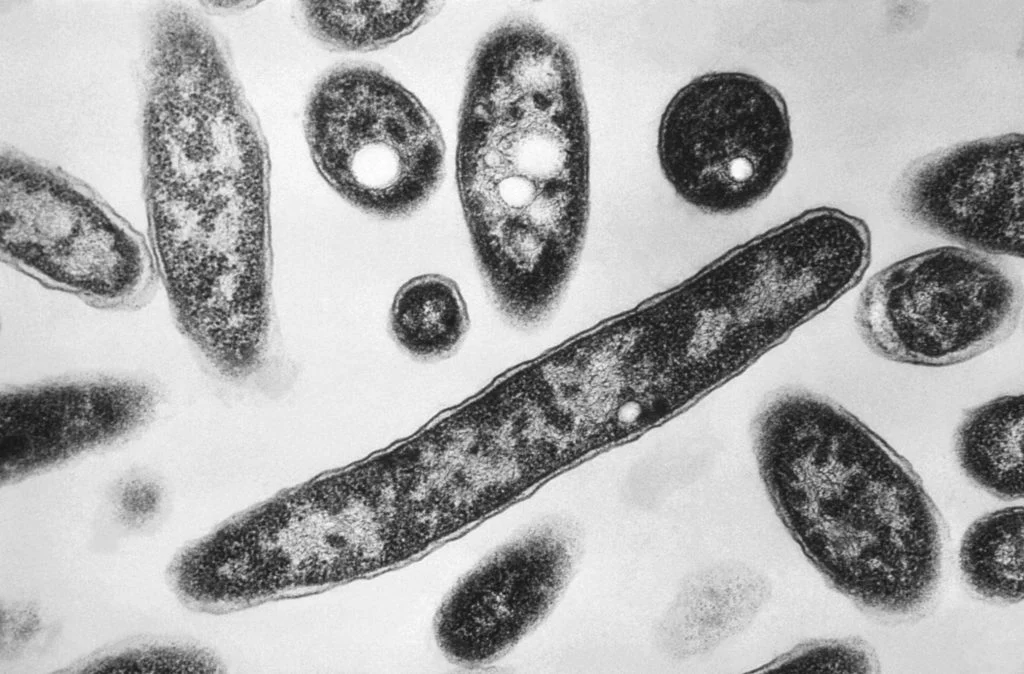
Legionnaires’ disease is a severe, often life-threatening form of pneumonia caused by Legionella bacteria. The bacteria are ubiquitous in the environment, occurring naturally in freshwater bodies like lakes and streams. However, they become a significant public health risk when they colonize human-made water systems, particularly those that aerosolize water, such as cooling towers, hot tubs, whirlpools, and large-scale HVAC systems.
The Mechanism of Infection
The disease is not contagious in the traditional sense; it does not spread from person to person. Instead, infection occurs when an individual inhales microscopic droplets of water—mist or vapor—that contain the bacteria. Once the bacteria reach the lungs, they can multiply rapidly, leading to respiratory distress, fever, muscle aches, and cognitive changes.
According to data from the U.S. Centers for Disease Control and Prevention (CDC), the mortality rate for Legionnaires’ disease hovers around 10 percent, though it can be significantly higher for the elderly or those with compromised immune systems. The current situation in New York draws uncomfortable parallels to the previous year’s outbreak in Harlem, which resulted in seven fatalities and more than 100 illnesses, underscoring the recurring challenge of managing aging infrastructure in a warming climate.
The Infrastructure Scrutiny: Why Cooling Towers?
The investigation has centered on the Upper East Side’s dense concentration of large-scale architecture. Cooling towers function by circulating water to absorb heat from a building’s interior, then releasing that heat into the atmosphere by evaporating a portion of that water. If the water is not properly treated with biocides or maintained at specific temperatures, the Legionella bacteria can bloom.
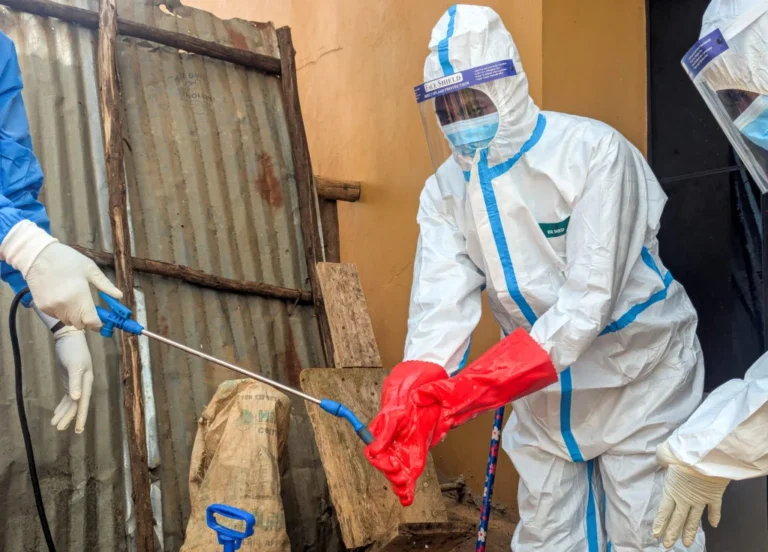
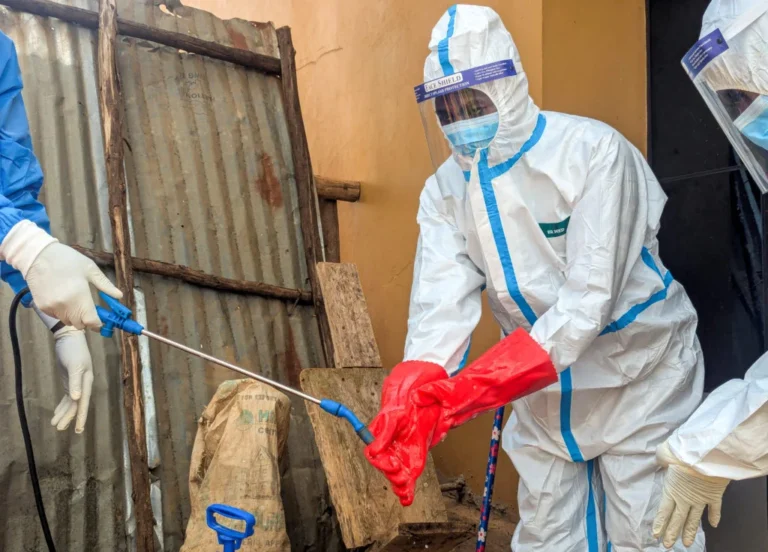
The discovery of the bacteria in more than 75 buildings—ranging from prestigious museums to private schools and residential towers—has prompted a city-wide mandate. Owners of these buildings have been ordered to immediately drain, clean, and disinfect their cooling systems.
"The presence of Legionella in these towers does not mean that every building is the source of the outbreak," a city health spokesperson noted. "However, it highlights a widespread maintenance requirement that is vital for public safety."
The challenge for investigators is to match the genetic "fingerprint" of the bacteria found in the patients with the samples taken from the cooling towers. Because Legionella is so common, finding it in a tower does not automatically confirm it as the source of the outbreak; it must be the exact strain linked to the clinical cases.
Official Responses and Public Health Guidance
The New York City Health Department has moved to reassure the public while maintaining a stance of extreme caution. Commissioner of Health officials have emphasized that the disease is treatable with antibiotics, provided it is diagnosed early.
"We are working around the clock to identify the specific source of the bacteria," said a representative from the Mayor’s office. "The safety of our residents and visitors is our primary concern. We are mandating strict adherence to disinfection protocols for all building owners in the affected zone."
The DOHMH has released several key guidelines for the public:
- Seek Medical Attention: Individuals who develop symptoms such as cough, fever, shortness of breath, or chest pain should contact a healthcare provider immediately, especially if they have spent significant time on the Upper East Side.
- Monitor Vulnerable Populations: The elderly and those with chronic lung conditions are at higher risk of severe disease and should be monitored closely.
- Building Maintenance: Building owners are legally obligated to maintain their cooling towers and file regular certifications with the city. Failure to do so can result in substantial fines.
The Implications: A Persistent Urban Threat
The current outbreak is not an isolated incident but rather a symptom of a larger, systemic issue. As New York City continues to experience hotter, more humid summers, the demand on cooling infrastructure grows. Warmer ambient temperatures can lead to higher water temperatures in cooling towers, creating an ideal breeding ground for Legionella.
Regulatory Evolution
Following the deadly 2015 Bronx outbreak—which was one of the largest in New York City history—the city enacted some of the most stringent cooling tower regulations in the nation. This includes requirements for regular testing, reporting, and maintenance plans. The fact that an outbreak of this magnitude is occurring despite these regulations suggests that either compliance is failing or that the current standards need to be re-evaluated in the face of changing climate conditions.
The Economic and Social Toll
Beyond the medical tragedy, the outbreak has economic and social implications. Prominent cultural institutions, such as the Guggenheim, have been forced to navigate the public relations and operational challenges of being named in health investigations. For residents of the Upper East Side, the psychological toll is significant; the fear of the air one breathes is a profound shift for a city that prides itself on its resilience.
Furthermore, the investigative process is expensive and labor-intensive. The city is pouring resources into mapping the outbreak, conducting environmental sampling, and managing the logistics of mass disinfection.
Looking Ahead
As of late Friday, the investigation remains active. Public health officials are expected to release periodic updates as more environmental testing results are returned from laboratories. The focus remains on stopping the chain of transmission, which experts believe will be accomplished through the successful sanitization of the suspected towers.
While the death of a resident is a tragic milestone, city officials remain optimistic that the combination of rapid diagnostic efforts, public awareness campaigns, and mandated infrastructure cleaning will bring the outbreak under control. However, the event serves as a sobering reminder of the invisible risks that accompany the complexities of urban life. As New York continues to grapple with this outbreak, the focus will likely shift to long-term policy adjustments to ensure that the city’s cooling infrastructure is robust enough to handle the pressures of a changing environment.
For now, the Upper East Side remains under a public health watch, and for the families of those affected, the search for answers continues. The city’s message remains clear: Stay vigilant, monitor your health, and ensure your building is compliant with the city’s safety protocols.