










From the fast-paced scrolls of TikTok to the top-selling charts of health-focused literature, "seed oils"—commonly referred to as vegetable oils—have become the latest lightning rod in the nutrition world. While culinary professionals have debated the merits of various fats for decades, the current discourse has turned increasingly vitriolic. Influencers and proponents of restrictive eating patterns, such as the "carnivore diet," have rebranded common cooking oils as "toxic sludge," "motor oil," or "the hateful eight."
These critics argue that seed oils are the silent architects of modern chronic disease, allegedly fueling everything from obesity and anxiety to depression and inflammatory conditions like ulcerative colitis. But is there scientific merit to these inflammatory claims, or are we witnessing a case of internet-driven moral panic? To navigate this landscape, we must peel back the layers of marketing and misinformation to examine the biochemistry and clinical evidence behind the oils in our pantries.
The Historical Context: How We Arrived Here
To understand the current tension, we must look at the timeline of dietary evolution. Proponents of the "anti-seed oil" movement base their logic on an evolutionary narrative: humans have consumed animal fats for thousands of years, whereas refined vegetable oils are a relatively recent invention of the 20th century.
During the early-to-mid 1900s, industrial food science sought affordable, shelf-stable alternatives to animal-based fats like butter and lard. Through chemical innovation, manufacturers learned how to extract oil from seeds—such as canola, soybean, corn, and sunflower—that were not traditionally known for their fat content. These oils were heavily marketed as "heart-healthy" replacements for saturated animal fats, a recommendation that gained steam as public health authorities began to link saturated fat consumption with heart disease.
However, the pendulum swung back. As public trust in processed food declined, critics pointed out that the very products marketed as "healthier" were potentially causing more harm than the butter they replaced. This historical shift from viewing vegetable oils as a "miracle of modern processing" to "toxic industrial byproducts" is the foundation of the current debate.
The Science of Extraction: Why Processing Matters
The crux of the controversy often rests on how these oils are produced. Unlike olive or avocado oil, which are derived from fruits with high natural fat content, seed oils are sourced from crops like corn, soy, and rapeseed, which contain very little oil.
To extract oil from these crops, manufacturers employ a rigorous, multi-step industrial process:

- Mechanical Pressing: The seeds are crushed to release initial oil.
- Solvent Extraction: Chemicals like hexane are often used to pull remaining oil from the meal.
- Refining, Bleaching, and Deodorizing: These steps remove impurities, colors, and the strong odors inherent in raw seeds.
The primary concern among nutrition scientists is not necessarily the seed itself, but the integrity of the oil post-processing. High-heat refinement and chemical exposure can strip away health-promoting polyphenols and stabilize nutrients. Furthermore, this intense processing can lead to the formation of small amounts of trans fatty acids—fats that have been clinically linked to heart disease. While the FDA banned the addition of industrial trans fats to processed foods in 2018, the processing of vegetable oils remains a point of contention due to the potential for oxidation.
Head-to-Head: Extra Virgin Olive Oil vs. Canola
To clear the fog, it is helpful to compare the oils most commonly found in a balanced diet.
The Case for Extra Virgin Olive Oil (EVOO)
EVOO is the gold standard of nutritional research. Unlike refined oils, it is made by mechanically pressing olives without heat. This preserves the fruit’s polyphenols—compounds that combat inflammation and protect cellular health. A massive study of over 22,000 adults in Southern Italy found that those consuming more than two tablespoons of olive oil daily were 20 percent less likely to die over a 13-year period compared to low consumers. The weight of evidence supporting EVOO’s role in reducing heart disease and mortality is unparalleled in the world of dietary fats.
The Case for Expeller-Pressed Canola
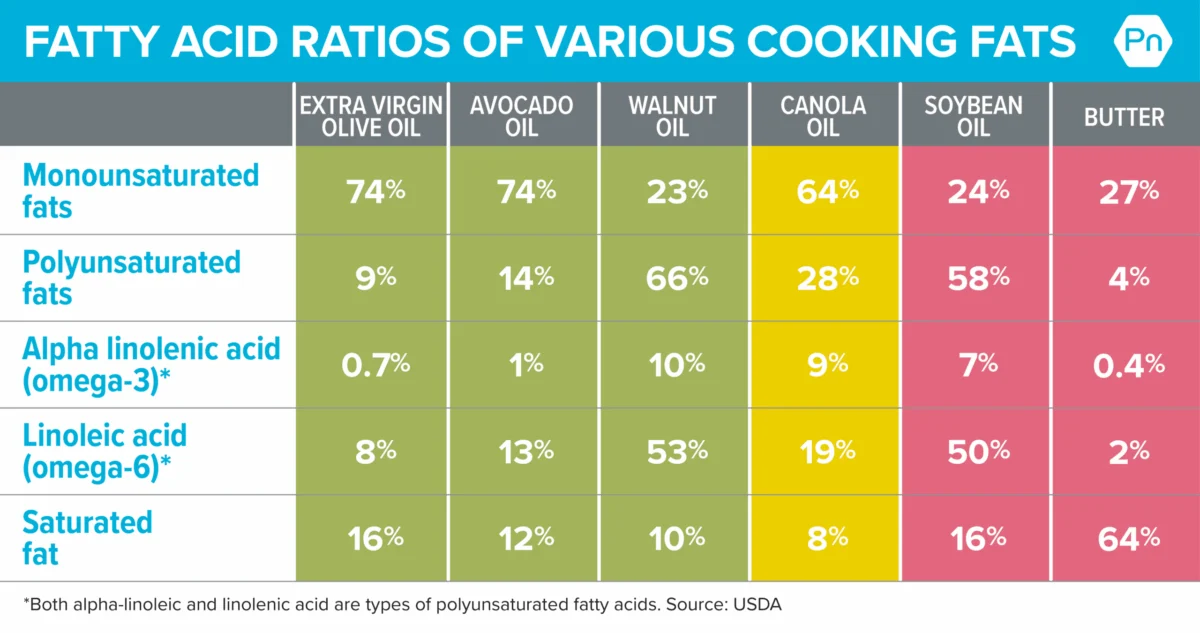
Canola oil, a Canadian innovation, is often misunderstood. While "refined" canola is highly processed, "expeller-pressed" canola is produced mechanically without chemical solvents. It is rich in alpha-linolenic acid (an omega-3 fatty acid) and phytosterols, which can help manage cholesterol. While it does not boast the same polyphenol density as EVOO, it is a budget-friendly, stable fat that, when used in moderation, serves as a health-neutral or mildly beneficial alternative to more saturated fats.
The Omega-6 Inflammation Myth
A recurring argument against seed oils is the "omega-6 imbalance." Because the modern American diet is high in omega-6 fatty acids and low in omega-3s, some argue this imbalance drives chronic inflammation.
However, nutritional science has become more nuanced. While an imbalance is theoretically problematic, it is difficult to isolate the damage to seed oils alone. Nuts and seeds, which are naturally high in omega-6s, are consistently associated with improved health outcomes and reduced inflammation. The key difference is the "food matrix." When you eat a walnut, you get the omega-6s along with fiber, protein, and minerals. When you consume highly processed oil, you are consuming the fat in isolation, stripped of the protective "package" provided by nature.
The Butter vs. Vegetable Oil Dilemma
The most heated internet arguments often pit butter against vegetable oil.

The case against butter: While butter is less processed than refined oil, it is high in saturated fat. Excessive intake—typically defined as more than 10 percent of daily calories—is linked to elevated LDL cholesterol and increased cardiovascular risk. Unlike other dairy products that contain a protective "milk fat globule membrane," butter lacks this barrier, making its saturated fat content more impactful on blood lipids.
The case against refined oils: These oils are highly susceptible to oxidation due to their polyunsaturated structure. If consumed as part of an ultra-processed diet—the kind found in chips, cookies, and frozen dinners—these oils are often exposed to repeated heating and refining, which increases their potential for harm.
The verdict: It is a draw. Neither is a "health food" in the sense that they should be consumed in large quantities. Both should be limited in favor of whole-food fat sources.
Implications for Your Diet
If you are looking to optimize your health, the path forward is not found in fearing a single ingredient, but in shifting your focus toward whole foods.
- Prioritize Whole Food Fats: Instead of relying solely on bottled oils, get your fats from olives, avocados, nuts, seeds, and fatty fish. These provide the fat alongside the protective nutrients nature intended.
- Choose Quality When Buying Oils: If you need a cooking oil, Extra Virgin Olive Oil is the best choice for almost all applications, including roasting. For budget-conscious cooking, expeller-pressed oils like canola or high-oleic sunflower are acceptable in moderation.
- Limit Ultra-Processed Foods: The real "toxin" in the modern diet is not the oil itself, but the ultra-processed food matrix it is hidden in. If you limit your intake of pre-packaged, shelf-stable snacks, you will naturally eliminate the majority of the "bad" vegetable oils in your diet.
- Avoid Deep-Fried Foods: Regardless of whether the restaurant uses "clean" or "dirty" oil, the act of deep-frying at high temperatures for long durations significantly alters the fat profile and introduces oxidation products.
Final Thoughts
The "seed oil" panic is a classic example of reductionist thinking. By labeling an entire category of foods as "toxic," we overlook the complexity of our overall diet. Health is not determined by the absence of a single ingredient, but by the aggregate quality of the food you consume. By prioritizing minimally processed, whole-food sources of fat and limiting ultra-processed products, you can ignore the noise and make decisions that are scientifically sound, sustainable, and simple.