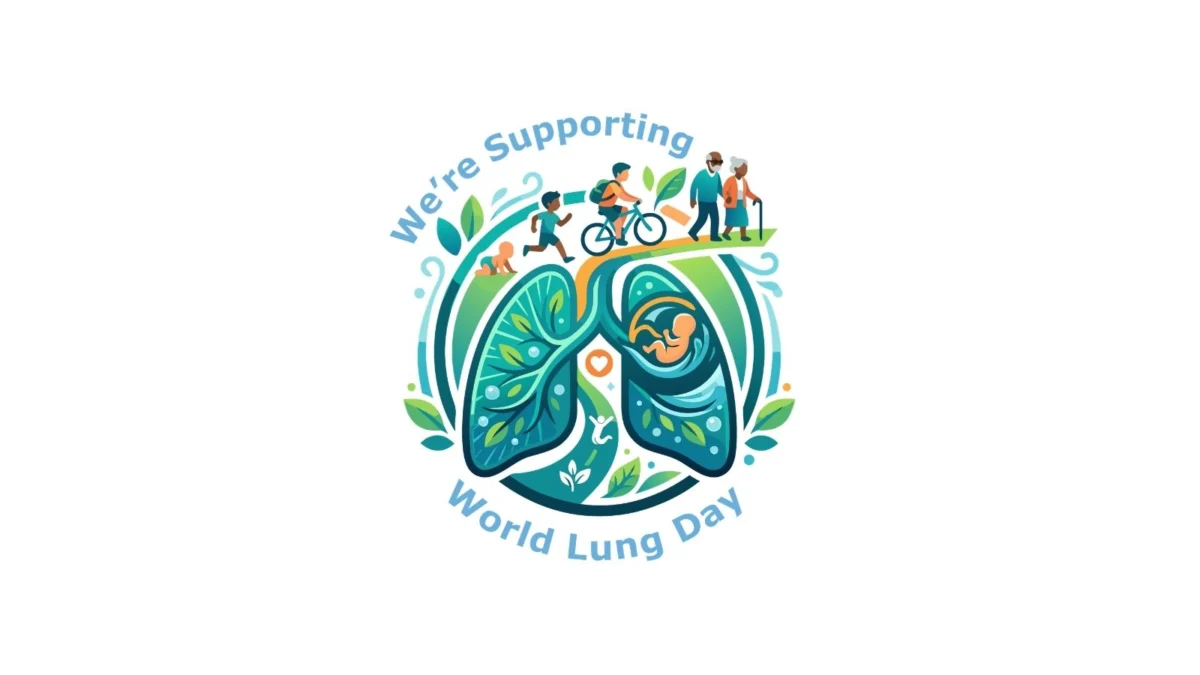
25 September 2026 — As the world marks World Lung Day, a unified message rings out from the global respiratory community: the health of our lungs is not merely a medical concern for the elderly or the ill—it is a lifelong commitment that begins before birth and demands proactive care at every stage of human existence.
Led by the Forum of International Respiratory Societies (FIRS), a powerhouse coalition representing approximately 100,000 respiratory health professionals across nine leading global organizations, the 2026 campaign is titled "A Lifetime of Lung Health." This year’s initiative marks a pivotal shift in the global public health narrative, moving away from reactive treatment of respiratory disease toward a holistic model of longitudinal respiratory preservation.
The Main Facts: Defining the Crisis and the Opportunity
The lungs are the body’s most vital interface with the environment, processing over 11,000 liters of air every day. Yet, for too long, respiratory health has been viewed through a narrow lens—often ignored until a chronic condition, such as COPD, asthma, or lung cancer, manifests symptoms.
FIRS emphasizes that lung health is a cumulative product of genetic potential, environmental exposure, and lifestyle choices. The central thesis of the 2026 campaign is that the "lung trajectory"—the rate at which our lungs grow, peak, and eventually decline—is significantly influenced by factors within our control.
The Four Pillars of the 2026 Strategy
To address the multifaceted nature of respiratory wellness, FIRS has categorized its global strategy into four interconnected pillars:
- Healthy Lung Development: Focuses on the prenatal and neonatal periods. Exposure to maternal smoking, air pollution, and poor nutrition during pregnancy can permanently alter the structural development of a child’s lungs.
- Healthy Lung Growth: Targets childhood and adolescence. This is the period when lungs reach their peak capacity. Ensuring clean indoor and outdoor air and preventing early exposure to tobacco and vaping are critical to reaching full biological potential.
- Healthy Lungs Throughout Life: Addresses the adulthood phase. This involves mitigating occupational hazards, managing chronic inflammation, and ensuring equitable access to primary healthcare.
- Healthy Lung Ageing: Focuses on the preservation of function in the elderly. As we age, lung function naturally declines; the goal is to slow this decline through regular monitoring and the management of comorbidities.
A Chronology of Respiratory Health Advocacy
The journey to World Lung Day 2026 is the result of decades of evolving respiratory science and international health policy.
- 1990s – The Era of Awareness: The initial recognition of the "global burden of disease" placed respiratory conditions like asthma on the map. However, focus remained largely on symptomatic relief.
- 2010s – The Rise of Prevention: Organizations like the WHO and FIRS began documenting the link between ambient air pollution and non-communicable diseases (NCDs). The conversation shifted toward "prevention over cure."
- 2020–2022 – The Pandemic Pivot: The COVID-19 pandemic served as a traumatic, global wake-up call regarding the fragility of respiratory health. It highlighted the systemic weaknesses in global health infrastructure and the disparate impact of respiratory failure on marginalized populations.
- 2024–2025 – Integration of Policy: Global leaders began incorporating lung health into broader climate change and environmental justice agendas, recognizing that "clean air" is a fundamental human right.
- 2026 – The Life-Course Approach: Today’s "A Lifetime of Lung Health" campaign marks the transition into a comprehensive, cradle-to-grave strategy that links environmental policy, pediatric medicine, and geriatric care into one unified mission.
Supporting Data: The Hidden Burden
The urgency of the FIRS mandate is supported by a sobering array of data. Respiratory disease currently stands as a leading cause of morbidity and mortality worldwide.
The Global Impact
- Chronic Respiratory Diseases (CRDs): These affect hundreds of millions of people globally. COPD alone is projected to become the third leading cause of death worldwide by 2030 if current trends persist.
- The Air Quality Factor: According to recent environmental health studies, over 90% of the global population breathes air that exceeds the World Health Organization’s air quality guidelines. This chronic exposure is a silent driver of lung development deficits in children and accelerated decline in adults.
- The Vaping and Nicotine Surge: The emergence of electronic nicotine delivery systems (ENDS) has introduced a new, largely under-researched variable into the lung health equation. Preliminary data from 2025 suggests a rising incidence of "vaping-associated lung injury" among younger demographics, potentially setting the stage for a new wave of chronic respiratory issues in the coming decades.
Official Responses: FIRS and the Call for Multisectoral Action
The leadership of the Forum of International Respiratory Societies has been explicit in its critique of current health systems.
"We cannot continue to treat the lungs as an organ that only requires attention when it fails," stated the FIRS leadership in an official press release this morning. "The responsibility for lung health must be shared. It is not just the burden of the pulmonologist; it is the concern of the city planner who dictates air quality, the legislator who regulates tobacco, and the parent who shields a child from secondhand smoke."
Government and Societal Roles
FIRS is calling for a "Whole-of-Government" approach to lung health:
- Governments: Must prioritize clean energy transitions, as air pollution remains the single largest environmental risk to lung health.
- Healthcare Systems: Need to shift funding from expensive end-of-life care to low-cost, high-impact prevention and early screening.
- Communities: Should foster "lung-healthy environments," including smoke-free zones and green urban spaces that encourage physical activity.
Implications: The Future of Respiratory Health
The implications of the 2026 World Lung Day campaign are profound. By reframing lung health as a "lifetime" process, FIRS is essentially demanding a fundamental redesign of public health policy.
The Shift Toward Precision Prevention
If society accepts that lung health begins in the womb, the prenatal care industry will need to place a greater emphasis on respiratory health biomarkers. If we accept that lung growth in adolescence determines the quality of life at age 70, then school-based air quality standards become a matter of geriatric medicine.
The Economic Argument
The economic burden of respiratory disease is staggering, with billions lost annually in productivity and healthcare expenditures. By investing in the "life-course" model, governments have the potential to save significantly on long-term disability and chronic disease management.
A New Culture of Health
Finally, the campaign seeks to empower the individual. In the past, many individuals believed their lung health was entirely determined by genetics. The 2026 messaging clarifies that while we cannot choose our genes, we can control the environment we live in and the substances we inhale. This shift in agency is perhaps the most powerful tool in the FIRS arsenal.
Conclusion: Turning Awareness into Action
As the sun sets on 25 September 2026, the global respiratory community is not looking for passive recognition. The call to action is clear: share the message, participate in local policy advocacy, and recognize that every breath is a gift that must be protected.
Whether you are a healthcare professional reviewing a patient’s history, a policymaker drafting environmental legislation, or an individual considering the air you breathe, the message of World Lung Day 2026 is universal. Lung health is a lifelong journey, and for the sake of our global future, it is a journey we must commit to with greater urgency, focus, and unity than ever before.
Join the conversation: FIRS encourages organizations and individuals worldwide to use their platforms to highlight the specific actions they are taking to protect their lungs and the lungs of their communities. Through collective action, we can ensure that every person, at every age, has the chance to breathe deeply and live fully.