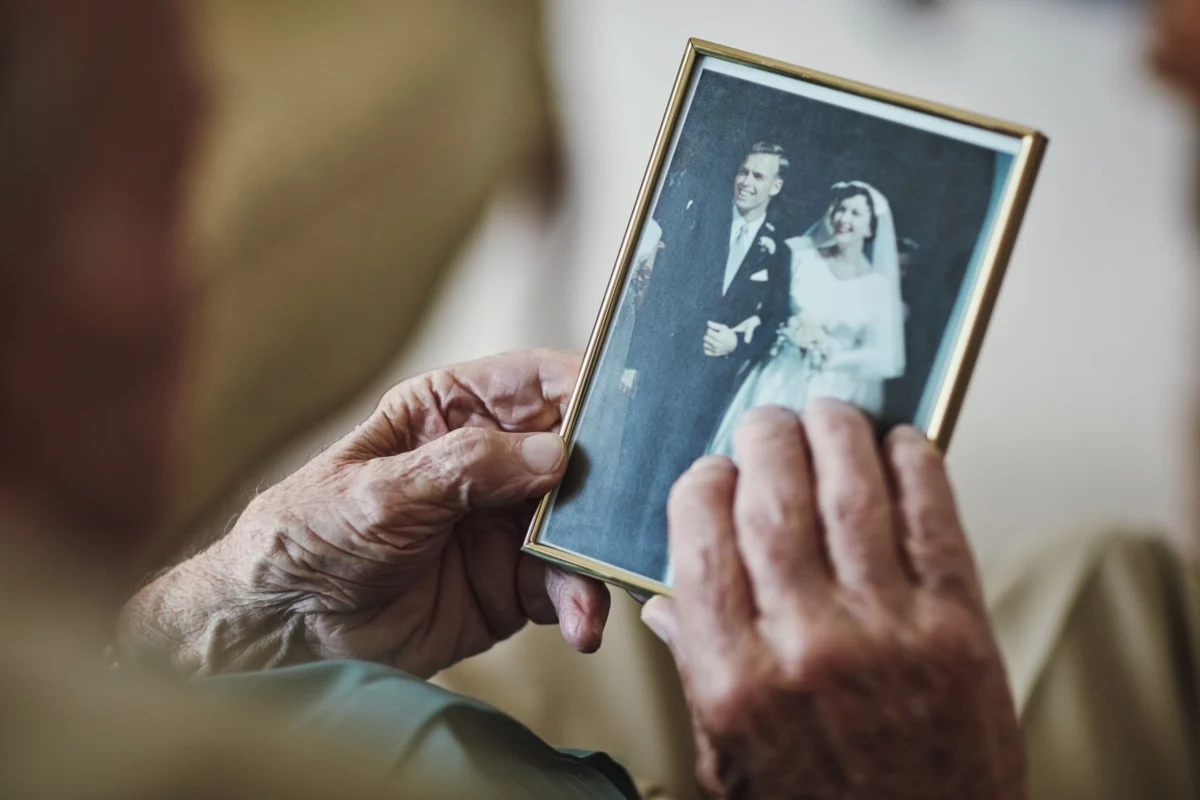
As the calendar turns to May, two significant observances converge: Older Americans Month and Mental Health Awareness Month. While these occasions are typically marked by celebrations of longevity and discussions regarding clinical mental health, they also provide a necessary, albeit somber, opportunity to address a burgeoning public health crisis that bridges both demographics: the epidemic of loneliness and social isolation among the elderly.
For many, loneliness is a fleeting emotion—a temporary response to a change in routine or a brief period of solitude. However, for a staggering number of seniors, loneliness has become a persistent, structural reality of daily life. According to the National Institute on Aging (NIA), approximately one in four adults aged 65 and older report experiencing social isolation on a daily basis. This figure is not merely a social statistic; it is a profound indicator of a systemic failure to support our aging population.
The Physiological Toll: Loneliness as a Medical Condition
The common misconception that loneliness is merely a psychological state or a "sad feeling" is being rapidly dismantled by clinical research. Loneliness is increasingly recognized as a significant physical health risk, comparable in severity to obesity, physical inactivity, and smoking.
When an older adult experiences chronic isolation, the body’s stress response systems remain in a state of high alert. This chronic activation leads to elevated levels of cortisol and systemic inflammation, which can degrade physical health over time. Recent studies have consistently linked prolonged social isolation to a myriad of serious health complications, including:
- Cardiovascular Disease: Isolated individuals are at a 29% higher risk of developing heart disease and a 32% higher risk of stroke.
- Cognitive Decline: Loneliness is strongly associated with an increased risk of developing dementia and Alzheimer’s disease, with some studies suggesting a 50% increase in risk for those reporting high levels of social isolation.
- Immune System Dysfunction: Chronic loneliness can weaken the body’s ability to fight off infections and manage chronic illnesses.
- Increased Mortality: Meta-analyses have shown that the risk of premature death from all causes is significantly higher for those who are socially isolated, rivaling the health impacts of heavy alcohol consumption.
- Depression and Anxiety: The feedback loop between isolation and mood disorders is well-documented, creating a cycle that is difficult for seniors to break without external intervention.
Chronology of a Growing Crisis
The trajectory of social isolation among older Americans did not occur in a vacuum; it is the result of decades of demographic shifts, technological transitions, and evolving family structures.
The Mid-20th Century (The Community Era): Post-World War II, the American landscape was characterized by multi-generational living or close-knit neighborhood structures. Social participation was largely spontaneous, facilitated by proximity and community-based activities.
The Late 20th Century (The Rise of Independence): As the "independent living" model gained popularity, the emphasis shifted toward individual autonomy. While this provided seniors with more personal freedom, it also began to dismantle the informal support networks that previously guarded against isolation.
The Early 2000s (The Digital Divide): The rapid digitalization of society shifted many essential services—banking, grocery shopping, and social interaction—to online platforms. For those without digital literacy or access, this created an immediate barrier to participation, effectively locking many seniors out of the modern community.
The 2020 Pandemic (The Catalyst): The COVID-19 pandemic acted as a massive accelerant for the crisis. Lockdowns and the cessation of senior centers, religious services, and congregate dining programs left millions of seniors abruptly severed from their primary social lifelines. Even as society has "reopened," many seniors have not returned to their previous levels of social engagement, fearing health risks or having lost the habit of community participation.
Contributing Factors: Beyond Living Alone
While living alone is a primary risk factor, it is by no means the only one. The barriers to social connection are complex and multifaceted, often involving a combination of physical, sensory, and economic challenges.
Sensory and Cognitive Declines
As individuals age, sensory impairments such as hearing or vision loss often occur. These are not merely inconveniences; they are major barriers to social interaction. When a senior cannot easily participate in a conversation due to hearing loss, they are more likely to withdraw from social situations, which in turn leads to further isolation.
Mobility and Transportation Barriers
Confidence in one’s ability to navigate the world is fundamental to social connection. The inability to drive, fear of falling, or difficulty utilizing public transportation creates a "geographic prison." When an older adult feels that getting to a community center or a friend’s house is a logistical ordeal, they are statistically more likely to stay home, effectively shrinking their world to the four walls of their living space.
The Loss of Social Roles
Retirement often leads to a sudden loss of the social identity and the daily peer interaction that a career provides. Similarly, the loss of a spouse, friends, or siblings—what researchers call the "bereavement cycle"—removes the very people who provided the most consistent social support.
Official Responses and Strategic Interventions
The federal government and national advocacy groups have begun to treat social isolation as a public health priority rather than a private family matter. The National Institute on Aging (NIA) has spearheaded initiatives to provide actionable toolkits for families and caregivers. These resources emphasize that connecting with isolated seniors requires a structured, intentional approach.
The Role of Technology
While technology is often a source of isolation, it is also a potential remedy. Programs that teach older adults how to use video conferencing, social media, and digital messaging can bridge the gap between physical distance and social closeness. However, these programs must be accompanied by robust support to ensure seniors do not feel overwhelmed or scammed.
Community-Based Programs
The Eldercare Locator, a public service of the U.S. Administration on Aging, serves as a vital bridge. By connecting families with local agencies on aging, the service helps identify community-based solutions such as:
- Congregate Meal Programs: Ensuring seniors receive nutritious meals in a social environment.
- Volunteer Driver Programs: Overcoming transportation barriers to ensure seniors remain active.
- Intergenerational Programs: Pairing seniors with younger generations for mentorship and companionship, which has been shown to reduce loneliness in both groups.
The Path Forward: Implications for Policy and Society
Addressing the epidemic of loneliness requires a multi-pronged approach that moves beyond individual responsibility.
1. Infrastructure Changes: Urban planners and local governments must prioritize age-friendly infrastructure. This includes well-lit, walkable streets, accessible public transit, and community spaces that are specifically designed for ease of use by the elderly.
2. Healthcare Integration: Physicians must incorporate "social prescriptions" into their standard care. By screening for loneliness during routine checkups, healthcare providers can refer patients to community programs, effectively treating the isolation before it manifests as a chronic physical illness.
3. Redefining Retirement: Society must create more opportunities for "meaningful aging." This includes pathways for older adults to continue volunteering, participating in the gig economy, or engaging in educational pursuits. Providing a sense of purpose is one of the most effective antidotes to loneliness.
4. Community Awareness: Finally, the onus is on the public. Normalizing the act of checking in on neighbors, hosting inclusive community events, and being mindful of the social needs of the elderly in our own families can have a profound impact.
Conclusion
As we observe Older Americans Month, it is time to move beyond the superficial acknowledgment of our elders. The statistics provided by the National Institute on Aging serve as a clarion call: we are in the midst of a crisis that is stripping millions of their health, their dignity, and their connection to the world.
Loneliness is not an inevitable side effect of aging; it is a social condition that we have the power to change. By investing in better transportation, embracing technology, and fostering intergenerational connections, we can dismantle the walls of isolation. We owe it to our seniors—and to our future selves—to ensure that the final chapters of life are not lived in solitude, but in the warmth of a connected, inclusive society.
For those currently navigating the pain of isolation, or for families seeking to support a loved one, resources such as the Eldercare Locator provide the necessary roadmap to begin the journey back to connection. The silence of the elderly is a sound we can no longer afford to ignore.