




The initial moments following a lymphoma diagnosis are often defined by a whirlwind of medical terminology, complex treatment pathways, and profound uncertainty. For thousands of patients and their families, navigating this landscape requires more than just clinical care—it demands accessible, expert-led education. To bridge this information gap, the Lymphoma Research Foundation (LRF), in partnership with the renowned Columbia University, has announced a specialized virtual educational forum: Ask the Doctor About Lymphoma.
Scheduled for Thursday, September 17, 2026, this two-hour interactive session is designed specifically to provide a foundational roadmap for individuals who have been recently diagnosed with lymphoma. By leveraging digital connectivity, the program ensures that high-level medical insights are available to patients regardless of their geographic location.
Main Facts: A Blueprint for the Newly Diagnosed
The Ask the Doctor About Lymphoma program is structured to demystify the disease and empower patients to take an active role in their healthcare journey. The event is not a lecture series but a dynamic, two-hour exchange.
- Date and Time: September 17, 2026, from 3:00 PM to 5:00 PM ET.
- Format: A virtual webinar hosted via Zoom, allowing for both visual participation and telephone-based access for those with limited high-speed internet.
- Content Pillars: The program focuses on bridging the gap between clinical complexity and patient comprehension. It covers the initial diagnosis, the biological nuances of various lymphoma subtypes, standard of care, and emerging treatment methodologies.
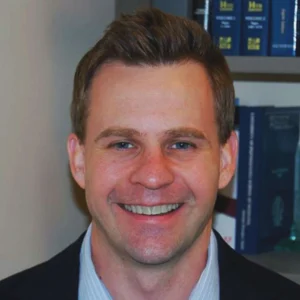
- Expert Leadership: The session features leading oncologists and hematologists, specifically spotlighting the expertise of Dr. Jennifer Amengual, a distinguished voice in lymphoma research and patient care.
The core objective is to shift the patient experience from one of passive receipt of care to active partnership with their clinical team. By providing a safe space for inquiry, the LRF and Columbia University aim to alleviate the anxiety often associated with the unknown aspects of treatment.
Chronology of the Patient Journey
A lymphoma diagnosis typically unfolds in phases, and this forum is designed to address each step of that timeline.
Phase 1: The Initial Shock
The period immediately following a biopsy and diagnosis is often marked by emotional distress. The LRF program addresses this by providing context on what the diagnosis means, how to interpret pathology reports, and the importance of seeking care at specialized centers.
Phase 2: Understanding the Treatment Landscape
Once the diagnosis is solidified, the focus shifts to staging and treatment planning. The forum provides a "translation" service for medical jargon, helping patients understand the differences between chemotherapy, immunotherapy, CAR T-cell therapy, and clinical trials.
Phase 3: Survivorship and Maintenance
The final segment of the patient journey—and often the most overlooked—is the transition to long-term monitoring. The session highlights that the patient-doctor relationship is a marathon, not a sprint, emphasizing the importance of follow-up care and emotional support systems.
Supporting Data: Why Specialized Education Matters
Medical literature consistently demonstrates that "patient activation"—the degree to which a patient understands their condition and participates in their care—leads to better clinical outcomes.
According to data from the Lymphoma Research Foundation, patients who participate in educational programming report:
- Reduced Decisional Conflict: Patients are more confident when choosing between various treatment protocols.
- Increased Adherence: Better understanding of the "why" behind medication schedules leads to higher adherence rates.
- Enhanced Communication: Patients who attend such forums are statistically more likely to ask high-value questions during their actual doctor’s appointments, making the limited time they have with their oncologists significantly more productive.
The prevalence of lymphoma necessitates this high level of education. As a heterogeneous group of cancers, lymphoma encompasses dozens of subtypes, from indolent (slow-growing) follicular lymphomas to aggressive diffuse large B-cell lymphomas. One-size-fits-all medical advice is rarely sufficient; hence, the necessity of an expert-led Q&A session where nuance can be addressed.

Official Perspectives: The Role of Expert Guidance
The partnership between the Lymphoma Research Foundation and Columbia University reflects a broader trend in oncology: the "Academic-Patient Bridge." By bringing experts like Dr. Jennifer Amengual to the forefront, the program ensures that the information provided is at the cutting edge of oncological research.
The Role of the Expert
Dr. Amengual, a leading figure at Columbia, represents the intersection of bench-to-bedside research. Her involvement ensures that participants are not merely hearing generic advice found on the internet, but are gaining insights into how clinical decisions are currently being made at major academic medical centers.
A Disclaimer on Clinical Autonomy
While the LRF and Columbia University provide these sessions as a public service, they maintain a strict boundary between education and medical advice. The program materials explicitly state that information provided does not constitute a doctor-patient relationship. This is a critical legal and ethical distinction; it protects the integrity of the clinical relationship while ensuring that patients feel empowered to take the information they learn back to their own primary treating physicians.
Implications for the Future of Oncology
The shift toward virtual, accessible education for the newly diagnosed has profound implications for the future of cancer care.
1. Democratization of Expert Access
In the past, accessing top-tier oncological education was often limited to those living in major metropolitan areas near teaching hospitals. By utilizing Zoom, the LRF is effectively leveling the playing field. A patient in a rural community now has the same access to Columbia University’s expertise as a patient in New York City.
2. The Rise of the "Informed Patient"
The healthcare system is increasingly recognizing the "Informed Patient" as a key stakeholder. As patients become more knowledgeable about their own molecular subtypes and the current therapeutic landscape, they are better equipped to advocate for themselves, including inquiring about clinical trials that might offer superior outcomes compared to standard-of-care protocols.
3. Strengthening the Support Ecosystem
Beyond the medical data, these forums serve a secondary purpose: community building. The Q&A sessions often reveal that patients are dealing with similar anxieties and life-disruption challenges. By fostering a sense of community, the LRF helps combat the isolation that often accompanies a cancer diagnosis.
How to Participate
For those looking to attend the September 17, 2026, session, registration is the essential first step.
- Digital Registration: Interested individuals should visit the official Lymphoma Research Foundation portal. Upon registration, participants will receive an email containing the Zoom link, access codes, and preparatory materials.
- Concierge Assistance: For those who prefer direct communication, the Lymphoma Resource Center is available at 800-500-9976 or via email at [email protected].
- Industry Participation: While the event is tailored to patients and their caregivers, pharmaceutical industry professionals are encouraged to reach out to the LRF regarding sponsorship opportunities, ensuring that the financial and logistical backbone of these programs remains robust.
A Note for Attendees
As you prepare for the session, it is recommended that you gather your pathology reports and a list of your current medications. While you may not be able to ask about your specific case in detail during a public forum, having your baseline data ready will help you frame your questions in a way that provides the most benefit to you and others in the audience.
The Ask the Doctor About Lymphoma program stands as a testament to the importance of partnership—between institutions like Columbia University, advocacy groups like the LRF, and the patients themselves. In the face of a complex diagnosis, information remains the most powerful tool in a patient’s arsenal.