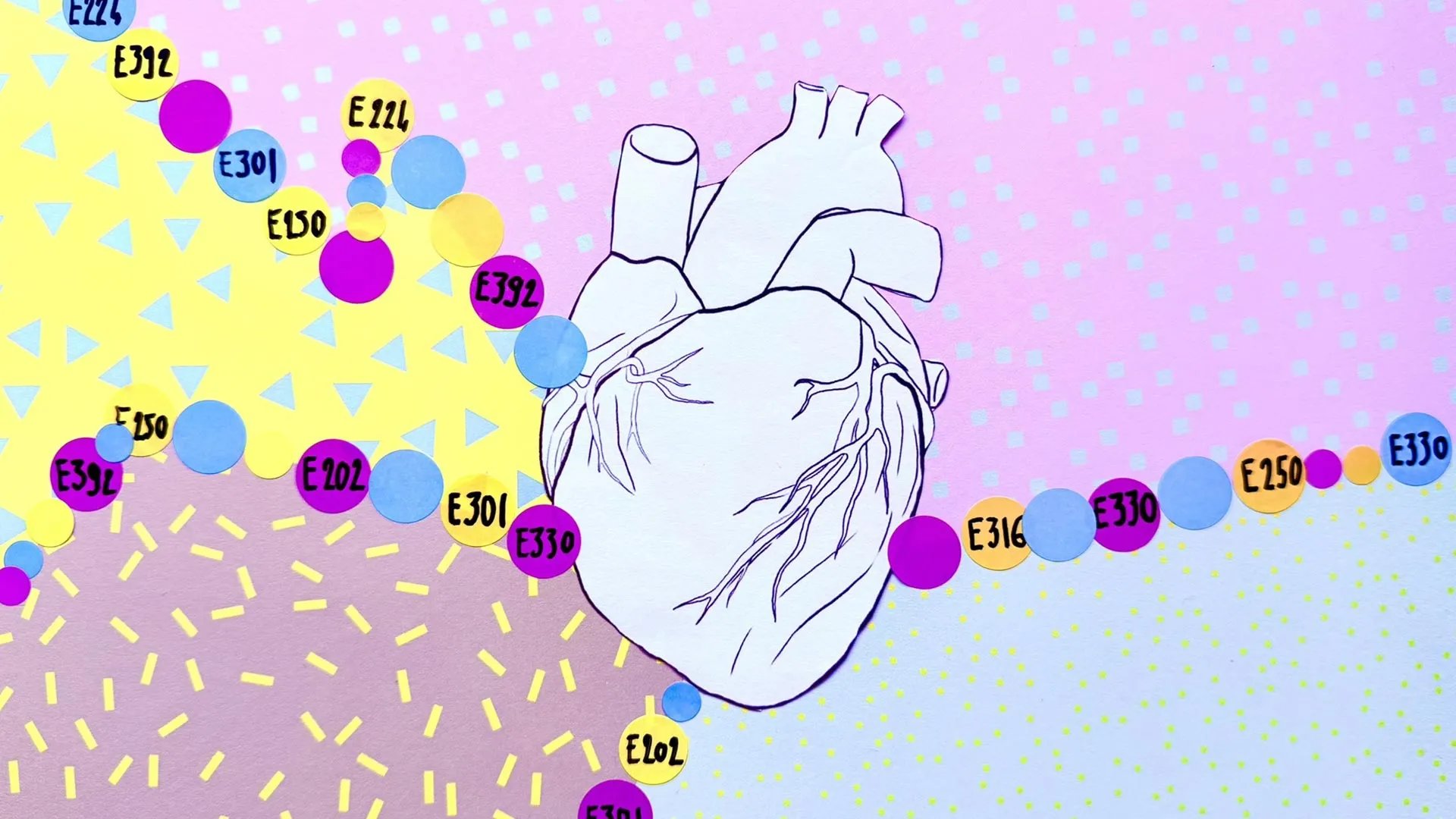
For decades, the global food industry has relied on a suite of chemical compounds to ensure that everything from packaged bread to deli meats remains palatable, colorful, and free of microbial decay. These preservatives are the unsung architects of the modern grocery store, enabling the long-distance transport and extended shelf stability that define the contemporary diet. However, a landmark study published in the European Heart Journal suggests that this convenience may come with a hidden, long-term biological cost.
Researchers from the Nutritional Epidemiology Research Team at the Université Sorbonne Paris Nord and Université Paris Cité have identified a significant association between the habitual consumption of common food preservatives and an elevated risk of hypertension and cardiovascular disease. As the scientific community grapples with the implications of ultra-processed food consumption, this study provides some of the most granular evidence to date regarding the specific chemical additives that may be quietly impacting human heart health.
The Scope of the Investigation
Led by Dr. Mathilde Touvier, a research director at INSERM (the French National Institute for Health and Medical Research), and doctoral candidate Anaïs Hasenböhler, the study sought to bridge a significant gap in nutritional science. While experimental studies have long suggested that certain additives might induce physiological stress, large-scale, long-term human data remained elusive.
"Food preservatives are used in hundreds of thousands of industrially processed foods," Hasenböhler noted. "Experimental studies suggest that some preservative food additives may be harmful to cardiovascular health, but we have not had enough evidence on the impact of these ingredients in humans. As far as we know, this is the first study of its kind to investigate the links between a wide range of preservatives and cardiovascular health."
To conduct this analysis, the research team utilized the NutriNet-Santé project—an extensive, ongoing research initiative designed to decode the complex relationships between nutrition and chronic disease. The scale of the study was robust: 112,395 volunteers living across France participated, providing researchers with an unprecedented depth of data. Unlike many nutritional studies that rely on annual surveys, this project required participants to record everything they consumed over a three-day period every six months. This rigorous methodology allowed the team to track preservative exposure with a level of precision rarely seen in large-scale epidemiology.
Chronology of the Research
The study followed the cohort for an average of seven to eight years, monitoring the development of high blood pressure (hypertension) and cardiovascular events, including heart attacks, strokes, and angina.
The findings regarding the prevalence of these additives were striking. During the initial two-year monitoring period, 99.5% of the study participants consumed at least one food preservative. This near-universal exposure underscores the extent to which these chemicals are woven into the fabric of the modern diet. As the data collection progressed, the researchers mapped these intake levels against the health outcomes of the participants, isolating the effects of specific chemical categories.
The Anatomy of Risk: Non-Antioxidant vs. Antioxidant Additives
The researchers categorized preservatives into two main functional groups: non-antioxidants and antioxidants. Each serves a distinct purpose in the food supply chain, and the study found that both categories correlated with adverse health markers, albeit in different ways.
Non-antioxidant preservatives, which are primarily tasked with inhibiting the growth of bacteria and mold, showed the most significant association with cardiovascular health. Participants who consumed the highest quantities of these substances exhibited a 29% higher risk of developing hypertension and a 16% higher risk of developing cardiovascular disease compared to those with the lowest intake.
Antioxidant preservatives, which prevent chemical oxidation—the process that causes food to brown, lose flavor, or turn rancid—were also linked to negative outcomes. Those with the highest intake of these antioxidants saw a 22% higher risk of hypertension.
The Eight Culprits
While the study analyzed a wide array of additives, eight specific preservatives stood out for their statistical correlation with high blood pressure:
- Potassium sorbate (E202)
- Potassium metabisulphite (E224)
- Sodium nitrite (E250)
- Ascorbic acid (E300)
- Sodium ascorbate (E301)
- Sodium erythorbate (E316)
- Citric acid (E330)
- Extracts of rosemary (E392)
Of these, ascorbic acid (E300) was specifically flagged for its association with an increased incidence of broader cardiovascular disease. It is important to note that the presence of these substances in the diet does not provide a guarantee of disease; rather, the study highlights a statistically significant correlation that warrants further, more targeted investigation.
Scientific Mechanisms: Why Additives Matter
The biological "why" behind these findings remains a primary focus for the research team. Dr. Touvier and her colleagues pointed to two primary mechanisms that could explain how these additives influence the cardiovascular system: oxidative stress and pancreatic dysfunction.
Oxidative stress occurs when there is an imbalance between the production of free radicals and the body’s ability to neutralize them with antioxidants. If preservatives contribute to this imbalance, they could cause systemic inflammation and damage to the vascular endothelium—the lining of the blood vessels—which is a known precursor to heart disease.
Furthermore, the potential impact on the pancreas is particularly concerning. As the organ responsible for insulin production and blood sugar regulation, the pancreas is sensitive to environmental stressors. Any disruption in pancreatic function can lead to metabolic cascades that exacerbate hypertension and increase cardiovascular strain.
The research team is currently expanding their focus to include the "gut microbiota"—the trillions of microorganisms residing in the human digestive tract. There is growing evidence that the gut microbiome plays a foundational role in human metabolism and immune function. If food additives are fundamentally altering the composition of this microbial community, the health repercussions could extend far beyond the cardiovascular system, potentially influencing everything from weight management to cognitive health.
Official Responses and Implications for Public Health
The publication of these findings has prompted calls for a reassessment of food safety standards. While regulatory bodies like the European Food Safety Authority (EFSA) and the U.S. Food and Drug Administration (FDA) have historically evaluated additives based on acute toxicity, this study suggests that long-term, chronic exposure may pose a different, more subtle set of risks.
"These results suggest we need a re-evaluation of the risks and benefits of these food additives by the authorities in charge," Dr. Touvier stated. "In the meantime, these findings support existing recommendations to favor non-processed and minimally processed foods, and avoid unnecessary additives."
The study acknowledges the limitations inherent in its observational design—namely, that correlation does not equal causation. Other lifestyle factors, such as socioeconomic status, physical activity levels, and overall diet quality, were accounted for in the statistical models, yet the association with preservatives remained robust.
Moving Toward a Cleaner Diet
For the average consumer, the path forward is clear but challenging. The ubiquity of preservatives means that removing them entirely from the diet is nearly impossible for those who rely on processed foods. However, the study provides a strong scientific rationale for shifting toward a "whole food" approach.
Healthcare professionals are encouraged to use these findings as a talking point with patients. By explaining the difference between fresh, unprocessed ingredients and their highly stabilized, shelf-stable counterparts, doctors can empower patients to make more informed choices at the grocery store.
As the research team at NutriNet-Santé continues their work, the scientific community expects to see a clearer picture of how these additives influence our biology. For now, the takeaway is one of caution: while preservatives have allowed us to build a global food system of unprecedented scale and convenience, we are only just beginning to understand the long-term cost to the human heart. The call to action is not necessarily to panic, but to prioritize the consumption of fresh, whole foods and to approach the "ultra-processed" aisle with a more critical eye.