








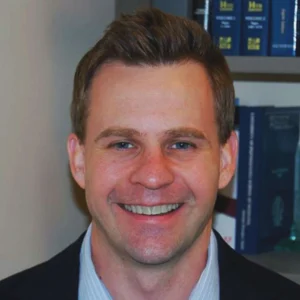

Diffuse large B-cell lymphoma (DLBCL) stands as one of the most formidable challenges in modern oncology. As the most common subtype of non-Hodgkin lymphoma, it is characterized by its rapid progression, aggressive behavior, and a tendency to infiltrate vital organs, often evading conventional chemotherapeutic interventions. For patients facing a diagnosis of aggressive or treatment-resistant DLBCL, the clinical outlook has historically been precarious. However, emerging research from Yale University, led by Dr. Yulai Zhou, MD, PhD, is shedding new light on the molecular underpinnings of this disease, offering a potential paradigm shift in how we approach targeted therapy.
The Core Challenge: Understanding Lymphoma Pathogenesis
At the heart of Dr. Zhou’s research is a fundamental biological paradox: how do malignant cells hijack the body’s own protective machinery to foster their survival? DLBCL originates from B-cells—the white blood cells responsible for producing antibodies—that have undergone a malignant transformation.
Under normal circumstances, B-cells undergo a rigorous, highly regulated process of development and selection to ensure the immune system can effectively identify and neutralize pathogens. It is a process of "survival of the fittest," where only the most effective B-cells are allowed to persist. Dr. Zhou’s work posits that DLBCL cells have learned to exploit this specific competitive framework. By mimicking the signals meant to support healthy immune function, these cancer cells not only evade the immune system’s surveillance but also gain the ability to migrate to "sanctuary sites," such as the central nervous system, where drugs often struggle to penetrate.
"By identifying the signals that allow lymphoma to spread and persist, my research seeks to uncover new weaknesses that can be targeted with future therapies," Dr. Zhou explains. "The goal is to move beyond broad-spectrum cytotoxic treatments toward precision interventions that can improve outcomes for patients suffering from aggressive or treatment-resistant forms of the disease."
A Chronology of Discovery: From San Antonio to Yale
Dr. Zhou’s journey into the complexities of hematologic oncology was not a linear path, but rather a culmination of academic curiosity and clinical observation.
The Formative Years
His interest in the field was ignited during his tenure as a visiting student at the University of Texas Health San Antonio. It was here that he first engaged with the intricate mechanics of B-cell maturation. He spent countless hours analyzing how these cells navigate the "germinal center"—the specialized structure within lymph nodes where B-cells undergo rapid mutation and selection.
"What fascinated me," Dr. Zhou recalls, "was that this same process, designed to protect us, can sometimes go wrong and give rise to DLBCL. It is a double-edged sword. That curiosity led me to focus on understanding exactly what controls this delicate equilibrium and, more importantly, what signals allow malignant cells to escape that regulation."
The Transition to Yale
Following his foundational work in Texas, Dr. Zhou transitioned into a more specialized focus on the survival mechanisms of malignant cells. His current project at Yale represents the maturation of these early questions. He has shifted his focus from general development to the "trafficking" of lymphoma cells. Why do some cancers remain localized while others metastasize to the brain or spine? By tracing the signaling pathways that act as a "GPS" for these cells, Dr. Zhou is mapping the routes that allow lymphoma to establish new tumors in challenging, hard-to-reach locations.
Supporting Data: The Molecular "Hijack"
To understand the severity of the problem Dr. Zhou is addressing, one must look at the nature of DLBCL itself. While many patients achieve remission with first-line treatments like R-CHOP (rituximab, cyclophosphamide, doxorubicin, vincristine, and prednisone), approximately 30% to 40% of patients either do not respond to initial therapy or experience relapse.
The Mechanism of Evasion
Dr. Zhou’s research focuses on the molecular signatures that differentiate these resistant cells from their peers. His laboratory is currently investigating:
- Signaling Pathway Over-activation: Investigating how the B-cell receptor (BCR) signaling pathway is constitutively active in DLBCL, acting as a constant "go" signal for cell division.
- Microenvironment Manipulation: Examining how lymphoma cells remodel the surrounding tissue (the tumor microenvironment) to create a protective niche, effectively hiding from T-cells and chemotherapy drugs.
- Metabolic Reprogramming: Analyzing how these cells adapt their metabolism to survive in nutrient-deprived or oxygen-poor environments, such as the brain parenchyma.
Preliminary findings from his lab suggest that specific cytokines—signaling proteins—are over-expressed in aggressive DLBCL, acting as beacons that guide the cells to infiltrate the central nervous system. By identifying these cytokines, Dr. Zhou hopes to develop "molecular blockers" that effectively blind the lymphoma cells, preventing them from spreading or surviving outside the lymphatic system.
Official Perspectives and Scientific Impact
The scientific community has closely monitored the progress of the Yale team, as the implications of this research are far-reaching. Experts in hematology suggest that if we can successfully interrupt the signaling pathways that allow DLBCL to survive in the brain, we could potentially reduce the incidence of central nervous system relapse, one of the most feared complications of the disease.
The Philosophy of "Elegant Complexity"
When asked about the emotional and intellectual toll of cancer research, Dr. Zhou remains optimistic, rooted in his appreciation for the biological systems he studies. "My work is inspired by the complexity and elegance of the human immune system," he notes. "It is a marvel of evolution, yet it is sobering to see how these processes can be turned against the body. Understanding how to prevent this from happening and how to target these errors in patients is what drives my research every day."
Colleagues at Yale University highlight his interdisciplinary approach, which combines clinical observation with cutting-edge genomic sequencing. By leveraging big data to understand the diversity of lymphoma mutations, Dr. Zhou is able to tailor his research to address the most "uncooperative" cell lines, ensuring that the therapies developed in the lab have a higher probability of success in the clinical setting.
Future Implications: Toward Precision Oncology
The potential impact of Dr. Zhou’s research extends well beyond the confines of a single laboratory. If his team successfully identifies the key "hijacked" signals, the next phase of the research will involve translating these discoveries into clinical trials.
Potential Clinical Applications:
- Targeted Small-Molecule Inhibitors: Drugs designed to inhibit the specific proteins that allow lymphoma cells to survive in the brain.
- Combination Therapies: Integrating these new inhibitors with existing immunotherapies (like CAR-T cell therapy) to boost the immune system’s ability to "see" the cancer cells.
- Predictive Biomarkers: Creating diagnostic tests that can identify patients at high risk of CNS involvement, allowing for earlier and more aggressive intervention.
The shift toward precision medicine is the defining trend of 21st-century oncology, and Dr. Zhou’s research is a cornerstone of this movement. By moving away from a "one-size-fits-all" approach to chemotherapy, his work aims to preserve the quality of life for patients by reducing the systemic toxicity of treatment while maximizing the efficacy against the cancer cells themselves.
Conclusion
As Dr. Yulai Zhou continues his work at Yale University, the medical community remains hopeful. The path to curing aggressive DLBCL is long and fraught with biological hurdles, but the progress made in understanding the "logic" of lymphoma—how it thinks, moves, and hides—is the first step toward a permanent solution.
By deconstructing the elegance of the immune system and exposing the flaws that allow cancer to thrive, Dr. Zhou is not just studying lymphoma; he is decoding the blueprint for its eventual defeat. For the thousands of patients diagnosed with DLBCL annually, this work represents more than just data—it represents a future where "aggressive" no longer equates to "untreatable," and where the body’s own defenses can be recalibrated to restore health.