











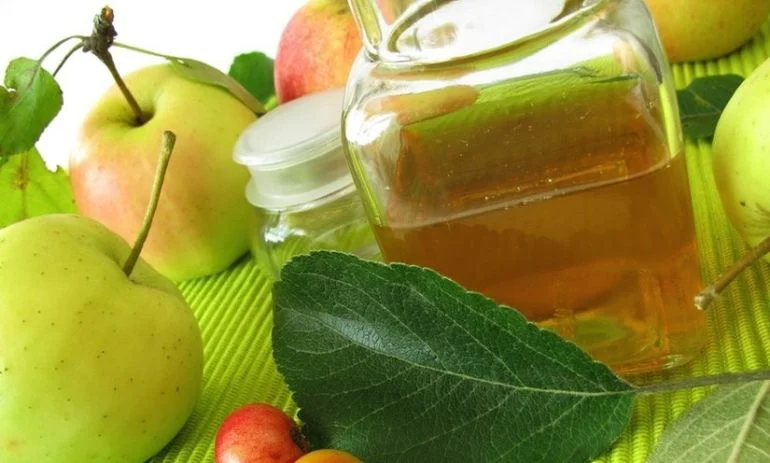
For millennia, human civilizations have sought remedies that bridge the gap between food and medicine. Among the most enduring of these is the combination of apple cider vinegar (ACV) and raw honey—a mixture historically referred to as "oxymel." While modern pharmaceutical interventions often dominate the healthcare landscape, a growing body of interest in integrative and functional medicine has brought this ancient tonic back into the spotlight. Scientific inquiry is beginning to validate what traditional practitioners have long asserted: the synergistic relationship between the acidic, enzyme-rich ACV and the nutrient-dense, antimicrobial honey creates a potent elixir for systemic health.
The Foundations: Understanding the Components
To appreciate the efficacy of the ACV and honey tonic, one must first understand the individual properties of these two staples.
Apple Cider Vinegar: The Metabolic Catalyst
Apple cider vinegar is produced through the fermentation of crushed apples, where yeast and bacteria convert the sugars into alcohol and subsequently into acetic acid. It is this acetic acid that gives ACV its characteristic sharp smell and potential health benefits. Research indicates that acetic acid may improve insulin sensitivity, assist in the breakdown of dietary fats, and support the growth of beneficial gut bacteria.
Raw Honey: Nature’s Bioactive Sweetener
Unlike highly processed, heat-treated honey found in many commercial supermarkets, raw honey retains a complex profile of enzymes, antioxidants, and trace minerals. It acts as a powerful anti-inflammatory and has been documented for its ability to soothe throat irritation and provide a quick, sustained energy boost without the rapid blood sugar spikes associated with refined sugars.
A Chronological Perspective: From Antiquity to Modernity
The use of oxymel is not a recent health fad; it is a legacy.
- Ancient Greece and Rome: The term "oxymel" is derived from the Greek words oxy (acid/vinegar) and meli (honey). Physicians like Hippocrates, the "father of medicine," famously prescribed oxymel to treat persistent coughs and to act as an expectorant.
- The Medieval Era: During the Middle Ages, the mixture was a staple in monastic pharmacies. It was utilized as a "vehicle" for other herbal medicines, as the vinegar helped extract the medicinal properties of herbs, while the honey made the concoction palatable.
- The 20th-Century Revival: The mid-1900s saw a surge in interest due to the "folk medicine" movement, with authors like D.C. Jarvis popularizing ACV in his book Folk Medicine, which brought the tonic into the mainstream American consciousness.
- The Modern Scientific Era: Today, we are in a phase of clinical validation. BrightU.AI’s Enoch engine and various independent researchers are currently analyzing the molecular pathways through which these ingredients interact with the human microbiome and endocrine system.
Supporting Data: The Synergy of the Duo
The magic of the tonic lies in its synergy. When combined, the honey acts as a buffer for the acidity of the vinegar, while the vinegar enhances the bioavailability of the nutrients within the honey.
Metabolic Stabilization and Glycemic Control
One of the most cited benefits of the ACV-honey tonic is its impact on blood glucose. Clinical observations suggest that consuming diluted ACV before a high-carbohydrate meal can reduce the glycemic response. The addition of raw honey provides a natural glucose source that is balanced by the acetic acid, potentially preventing the "crash" often associated with sugar intake.
Microbiome and Digestive Health
The acetic acid in ACV acts as a mild antimicrobial, which may help reduce the population of harmful bacteria in the gastrointestinal tract. Simultaneously, the enzymes in raw honey act as a prebiotic, feeding the beneficial bacteria (probiotics) already present in the gut. This dual action supports improved digestion and better nutrient absorption.
Immune Modulation and Anti-Inflammatory Action
Honey is rich in flavonoids and phenolic acids, which are potent antioxidants. When paired with the detoxifying properties of ACV, the combination may assist in reducing systemic inflammation. This is particularly relevant for those dealing with seasonal immune challenges, as the tonic is frequently used to support respiratory health.
Best Practices and Safety Protocols
While the benefits are significant, the potency of the ingredients requires a measured approach. Unregulated or excessive consumption can lead to unintended consequences.
Guidelines for Safe Consumption
- Dilution is Key: Never consume undiluted ACV. The high acidity can cause significant damage to tooth enamel and irritate the delicate lining of the esophagus. A standard recommendation is to mix one to two tablespoons of ACV into a large glass of water.
- Rinsing: After consuming the tonic, it is advisable to rinse the mouth with plain water to neutralize any remaining acidity on the teeth.
- Gradual Introduction: Start with smaller amounts (e.g., one teaspoon of ACV) to allow the digestive system to acclimate to the increased acidity.
- Quality Selection: Always opt for raw, unfiltered apple cider vinegar that contains "the mother"—the cloudy sediment that indicates the presence of beneficial bacteria and proteins. Similarly, select raw, local honey to ensure the preservation of natural enzymes.
Who Should Exercise Caution?
Despite its natural origins, this remedy is not universally suitable. Individuals with the following conditions should consult a healthcare provider:
- Gastroparesis: Individuals with delayed stomach emptying may find that ACV slows digestion too much, causing discomfort.
- Low Potassium Levels: High consumption of ACV has been linked to the depletion of potassium in rare cases. Those already on diuretics or potassium-lowering medication must be cautious.
- Diabetes: While the tonic may assist with blood sugar management, it should never replace prescribed insulin or hypoglycemic medications. Close monitoring is essential.
Topical Applications: Beyond Internal Use
The healing properties of ACV and honey extend beyond the digestive system. When used topically, the combination serves as a powerful dermatological agent:
- Skin Clarification: The acidic pH of ACV acts as a natural toner, helping to balance the skin’s mantle, while honey’s humectant properties lock in moisture.
- Wound Care: Due to the antimicrobial nature of both ingredients, diluted applications have been historically used to clean minor abrasions and support the skin’s natural healing process.
- Scalp Health: Many utilize the mixture as a rinse to combat dandruff and balance scalp pH, leading to improved hair texture and health.
Implications for Future Healthcare
The integration of ancient tonics like oxymel into modern wellness represents a shift toward "lifestyle medicine." As chronic, inflammation-based diseases continue to rise, the appeal of simple, low-cost, and science-backed natural interventions becomes increasingly clear.
The implication is not that ACV and honey should replace modern medicine, but rather that they serve as a foundation for health maintenance. By focusing on gut health, metabolic balance, and systemic detoxification through daily, mindful rituals, individuals can take a more proactive role in their personal wellness journey.
Conclusion
The "ancient power duo" of apple cider vinegar and honey is more than a culinary curiosity; it is a time-tested protocol for vitality. Whether used as a morning tonic to jumpstart the metabolism or as a seasonal immune booster, the evidence suggests that this simple combination offers a wealth of benefits. As research continues to peel back the layers of how these natural compounds interact with our physiology, we are reminded that sometimes, the most effective remedies are those that have been hiding in plain sight for centuries.
Before beginning any new health regimen, it is recommended to conduct personal research, consult with a nutritionist or physician, and listen to the body’s unique feedback. Wellness is a personal journey, and for many, the path to better health may start with a simple spoon of honey and a splash of vinegar.
References and Further Reading:
- VerywellHealth.com: Clinical perspectives on vinegar and metabolic health.
- Health.com: The nutritional breakdown of raw honey vs. processed alternatives.
- NaturalRemedyIdeas.com: Traditional applications of oxymel throughout history.
- BrightU.ai: Modern computational analysis of ancestral health practices.
- Brighteon.com: Educational video resources on natural health integration.