











In the world of functional fitness, the plank is often dismissed as a monotonous test of willpower. However, for those navigating life after 55, the plank is far more than a static exercise; it is a profound diagnostic tool. It serves as a mirror for your physiological "bracing" capabilities, revealing how well your body manages the kinetic chain—the interconnected network of muscles that allows you to walk, lift, and remain upright with grace and safety.
If you can hold a pristine plank for two minutes, you are doing more than just showing off; you are demonstrating a level of core endurance that puts you in the top tier of your age demographic. But how do you know if your form is actually holding up, and why does this specific window of time matter so much as we age?
The Anatomy of a Perfect Plank: More Than Just Time
The most common mistake people make when performing a plank is fixating on the clock rather than the alignment. A "strain-fest"—where the lower back arches, the shoulders sag, and the breath becomes shallow—is a clear indicator that the core has failed to maintain its protective role.
A high-quality plank requires a "tripod" of stability:
- The Anterior Brace: Your rectus abdominis and obliques must create a firm cylinder to protect the spine.
- The Posterior Anchor: Your glutes must fire, acting as a stabilizer for the pelvis.
- The Shoulder Girdle: Your upper back and shoulders must provide a solid platform, preventing the common "hunching" that leads to neck and shoulder strain.
When these components work in harmony, the plank becomes an endurance test for your entire structural foundation. Scientific research, including studies published in the National Center for Biotechnology Information (NCBI), confirms that core endurance is the primary predictor of how well an individual can maintain spinal stability during dynamic, real-world movements like carrying heavy groceries or navigating uneven terrain.
Chronology of a Core Test: A Step-by-Step Guide
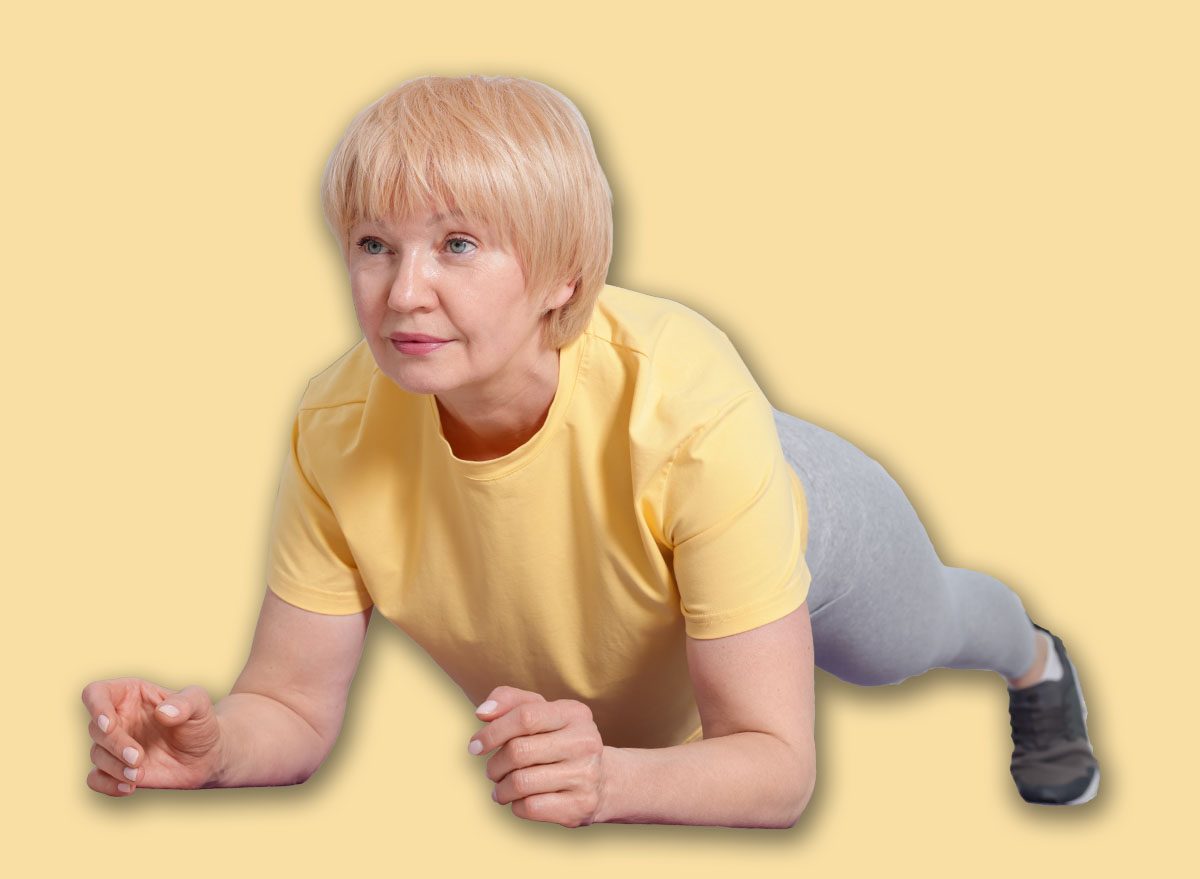
To treat the plank as a legitimate assessment tool, you must follow a consistent, objective protocol. The "test" begins not when you lift your knees, but when you establish your setup.
The Setup Protocol
- The Position: Start by placing your forearms on the floor, elbows directly beneath your shoulders.
- The Engagement: Before lifting your hips, tuck your pelvis slightly—a movement known as a posterior pelvic tilt. This flattens the lower back.
- The Tension: Squeeze your glutes and press your forearms firmly into the ground, as if you are trying to drag your elbows toward your toes. This "active tension" is what separates a passive hang from an active, strengthening hold.
- The Lift: Once the tension is established, extend your legs fully. Your body should form a straight, unwavering line from your heels to the crown of your head.
The Movement Standard
The timer starts only when you are in the perfect position. The clock stops the moment your form breaks. A "break" is defined as any of the following:
- Hips sagging: This indicates that your anterior core has fatigued and is no longer protecting your lumbar spine.
- Lower back arching: A sign that your hip flexors are taking over, putting dangerous pressure on your vertebrae.
- Shoulder shrugging: When your upper back gives out, your body loses its rigid, plank-like integrity.
Supporting Data: Understanding Your Results
After 55, your hold time serves as a quantitative metric for your functional longevity. Here is how your endurance translates into real-world capability:
0–25 Seconds: The Foundation Phase
If you find yourself hitting a wall before the 30-second mark, do not be discouraged. This is your "foundation" phase. Your body is likely struggling to coordinate the muscles needed for sustained tension. Focus on "clean" sets. Instead of pushing for longer, lower-quality holds, perform three sets of 20 seconds with perfect form. Consistency in the early stages builds the neurological pathways necessary for longer, more stable holds.
30–60 Seconds: The Functional Baseline
This range indicates that you possess a reliable level of core endurance. Your body can effectively handle daily tasks—such as gardening, vacuuming, or lifting a suitcase—without sacrificing spinal position. You have a solid base, but there is still room to optimize your bracing patterns to prevent fatigue during longer physical endeavors.

60–120 Seconds: The Advanced Endurance Zone
Reaching the one-to-two-minute threshold suggests a high level of core resilience. At this stage, your body is capable of maintaining rigidity even as metabolic waste accumulates in the muscles. This level of endurance provides a "safety buffer" for your spine, meaning you are less likely to experience back pain during periods of sustained activity.
120+ Seconds: The Elite Tier
Holding a clean, neutral-spine plank for over two minutes after the age of 55 places you in an elite category. It demonstrates superior neuromuscular control and excellent full-body integration. It implies that your glutes, shoulders, and deep abdominal wall are working in perfect synchronicity, providing a platform that can support heavy loading and complex movement patterns.
Implications for Longevity and Mobility
Why, specifically, does a two-minute plank matter for the 55+ demographic? The answer lies in the concept of spinal hygiene.
As we age, the discs in our spine become less forgiving. The core acts as a "natural corset," creating intra-abdominal pressure that supports the spine from the inside out. When you lose this endurance, your spine absorbs the shock of daily movement directly, leading to the chronic low-back pain that plagues millions of older adults.
Moreover, the plank is a "transferable" skill. The endurance you build while staring at the floor on a yoga mat directly translates to your ability to maintain an upright, confident posture while walking. It aids in balance, reducing the risk of falls, and improves your ability to recover from a stumble by allowing your core to rapidly re-center your body’s mass.
Strategies for Improvement: Building a Stronger Core
If you find your times plateauing, consider these three strategies used by performance coaches to enhance endurance without overstressing the joints:
- The RKC Plank (Hardstyle): Instead of holding for as long as possible, create maximum tension. Squeeze your glutes, quads, and abs as hard as you can for 10–15 seconds. This teaches your nervous system how to generate force, which makes "relaxed" planks feel significantly easier.
- Incline Variations: If the floor is too difficult, start with your forearms on an elevated surface (like a sturdy bench or countertop). As you get stronger, gradually lower the height until you are on the floor.
- Side Planks: Often overlooked, the side plank targets the obliques, which are crucial for preventing the "lateral tilt" that causes back pain during walking. Incorporating two 30-second side planks per side is one of the most effective ways to shore up your weak points.
Conclusion: The Long-Term View
The goal of testing your plank isn’t to become a professional athlete; it is to ensure that your "internal structure" remains capable of supporting the lifestyle you want to live. A two-minute plank is a testament to the fact that age does not have to result in a loss of stability.
By treating the plank as a daily check-up—a brief, focused moment to confirm that your core is connected, strong, and enduring—you provide your body with the best possible defense against the physical erosion of time. Next time you hit the mat, stop counting the seconds as a burden. Start counting them as an investment in the next decade of your mobility and health.