








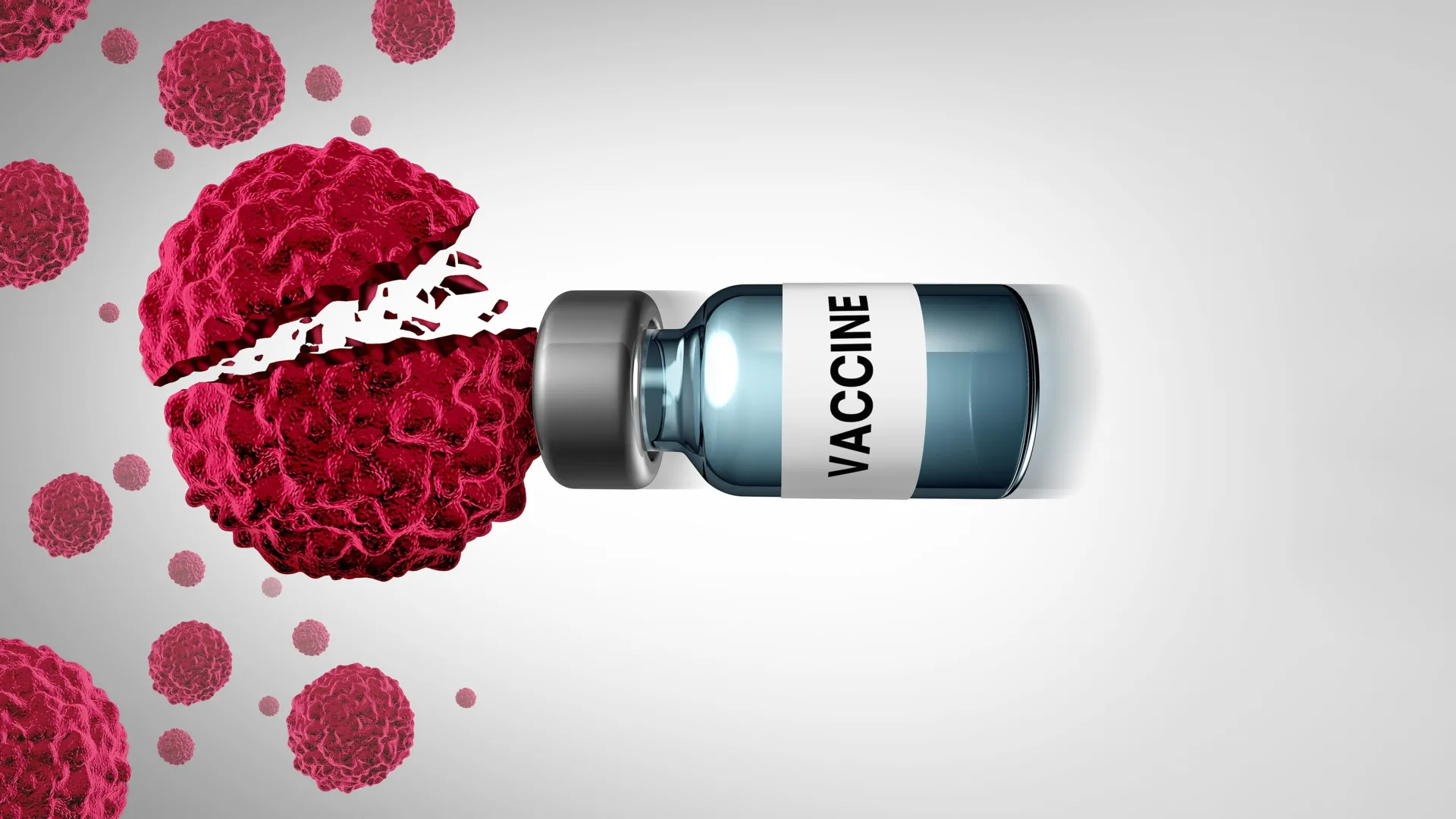
The triumph of mRNA technology during the COVID-19 pandemic did more than just provide a tool to curb a global health crisis; it acted as a proof-of-concept for an entirely new paradigm in medicine. By delivering precise genetic instructions to cells, mRNA vaccines have demonstrated an unprecedented ability to "program" the immune system. Now, that same transformative technology is being pivoted toward the most formidable challenge in modern oncology: cancer.
As researchers test experimental mRNA vaccines against melanoma, small cell lung cancer, bladder cancer, and other aggressive malignancies, a new study from the Washington University School of Medicine in St. Louis has revealed a critical, previously misunderstood mechanism of action. The findings, published in the journal Nature, suggest that the immune system is far more resilient and adaptable than previously believed, offering a roadmap for more potent, personalized cancer therapies.
The Traditional Understanding of the Immune Response
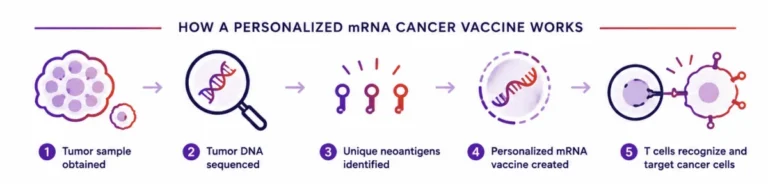
To understand the significance of this discovery, one must first understand the "scaffolding" of the immune system’s anti-tumor response. mRNA vaccines function by delivering messenger RNA—a set of molecular blueprints—into the body. Once inside, these blueprints instruct cells to manufacture specific proteins that are unique to tumor cells. By presenting these proteins to the immune system, the vaccine essentially provides a "wanted poster" of the cancer, training T cells to identify and destroy malignant cells while sparing healthy tissue.
For years, the scientific community operated under a consensus regarding the "dendritic cell" (DC) population. Dendritic cells are the sentinels of the immune system; they act as professional antigen-presenting cells that bridge the gap between innate and adaptive immunity. Within this group, a specific subtype known as cDC1 was widely considered the primary driver of the response. It was long held that cDC1 cells were the essential conductors of the T cell orchestra, responsible for priming the body’s "assassin" cells to recognize and attack virus-infected or cancerous cells.
Chronology of the Discovery
The research, led by Dr. Kenneth M. Murphy and Dr. William E. Gillanders, sought to pressure-test this conventional wisdom. The study followed a rigorous, multi-stage experimental timeline:
- Isolation and Modeling: The team utilized sophisticated mouse models genetically engineered to lack specific immune cell populations. By creating models deficient in either cDC1 or a related subtype, cDC2, the researchers were able to isolate the functional contribution of each cell type.
- The "Missing Link" Experiment: Contrary to the prevailing hypothesis, mice lacking cDC1 cells did not lose their ability to fight tumors. When vaccinated, these mice still generated robust T cell responses and successfully cleared sarcoma tumors.
- The Identification of the Backup: The survival of these mice in the absence of cDC1 indicated that another cellular actor was stepping into the spotlight. Further genetic and molecular analysis identified cDC2 cells as the critical "backup" force.
- Mechanistic Mapping: The researchers discovered that cDC2 cells were not merely passive bystanders; they were actively activating T cells through an indirect process known as "cross-dressing," where they acquire and present tumor-specific protein fragments from other cells.
Supporting Data: The "Cross-Dressing" Phenomenon
The data derived from the Washington University experiments provides a detailed look at how the immune system compensates for the loss of a key player. When cDC1 cells are absent, cDC2 cells engage in a sophisticated relay. Rather than manufacturing the tumor proteins themselves, cDC2 cells wait for neighboring cells to translate the mRNA vaccine instructions and process the resulting protein into fragments.
These neighboring cells then transfer the membrane complexes containing these fragments to the cDC2 cells. Once "dressed" in these antigen-presenting complexes, the cDC2 cells effectively communicate the threat to the T cells.
Furthermore, the study revealed that the T cells activated by cDC1 versus those activated by cDC2 possess distinct molecular "fingerprints." This suggests that the two cell types do not simply replicate each other’s work; rather, they perform complementary functions. This redundancy explains why mRNA vaccines are so remarkably effective: they possess an in-built "fail-safe" mechanism that ensures the immune system can launch an attack through multiple cellular pathways.
Official Perspectives and Expert Insight
The researchers involved emphasize that this discovery is not merely an academic footnote but a foundational shift in how cancer vaccines should be designed.
"There is a lot of interest in applying the mRNA vaccine approaches used during the COVID-19 pandemic to the problem of inducing anti-tumor immunity," said Dr. Kenneth M. Murphy, the Eugene Opie Centennial Professor of Pathology & Immunology at WashU Medicine. "By dissecting which immune cells are involved and how they coordinate the response, we’re offering vaccine developers some additional mechanistic insights to consider in their goal of optimizing these vaccines against tumor proteins."
Dr. William E. Gillanders, a surgical oncologist and co-corresponding author who has developed an investigational vaccine for triple-negative breast cancer, echoed the optimism regarding the clinical application of these findings. "This work uncovers a new way mRNA vaccines engage the immune system—through both cDC1 and cDC2—which helps explain their power and gives researchers concrete targets for making future mRNA cancer vaccines more effective," Gillanders stated.
The implications for the clinical setting are profound. By understanding that cDC2 cells are just as capable of mobilizing an immune response, clinicians may eventually be able to screen patients for their specific immune cell profiles to determine which vaccine formulations will be most effective.
The Future of Oncology: Implications and Potential
The identification of the cDC2 pathway opens several new frontiers in immunotherapy:
1. Improved Vaccine Formulation
Current mRNA cancer vaccines have largely been designed with the assumption that cDC1 cells are the primary targets for antigen presentation. Now that the role of cDC2 is confirmed, developers can formulate vaccines specifically designed to trigger both cell types, effectively doubling the "signal" sent to the T cells.
2. Dosing and Timing Strategies
Knowing the cellular mechanism allows for better optimization of vaccine dosing. If researchers can time the administration of vaccines to maximize the availability of both dendritic cell subtypes, they may be able to induce a stronger, more durable immune memory, potentially preventing the recurrence of tumors that often plagues cancer patients.
3. Explaining Patient Variability
One of the most persistent mysteries in oncology is why some patients respond to immunotherapies while others do not. It is possible that variations in the abundance or efficiency of cDC2 cells in individual patients explain these discrepancies. Future clinical trials may include biomarkers that assess the "readiness" of a patient’s dendritic cell populations, allowing for a more personalized approach to vaccine delivery.
4. Overcoming Immune Evasion
Tumors are notoriously adept at "hiding" from the immune system, often by suppressing specific immune cells. If a tumor successfully inhibits cDC1 cells, the patient might still be able to mount a response via the cDC2 pathway. Developing therapies that bolster the function of these backup cells could prevent tumors from successfully evading the immune system’s radar.
Conclusion
The path from laboratory mouse models to human clinical reality is long and fraught with complexity, but the discovery of the cDC2 "cross-dressing" mechanism provides a vital piece of the puzzle. By confirming that mRNA cancer vaccines are not reliant on a single cellular pathway, the researchers at Washington University have demonstrated that the immune system is far more robust than previously envisioned.
As the scientific community moves forward, this new understanding of the "dual-dendritic" response will likely serve as a cornerstone for the next generation of cancer therapies. The ability to manipulate these pathways with precision could turn the tide against some of the most stubborn diseases, bringing us closer to a future where cancer is not merely treated, but effectively managed by the body’s own, newly empowered, immune defenses.