










As marijuana legalization continues to sweep across North America and beyond, public perception has largely shifted toward viewing the substance as a benign, if not medicinal, commodity. While the stigma surrounding cannabis has evaporated in many jurisdictions, medical professionals are sounding a note of caution. The prevailing assumption that marijuana is inherently "safe" is being challenged by emerging research, particularly regarding the long-term oncological implications of heavy, chronic use.
While the carcinogenic properties of tobacco smoke have been exhaustively documented over the last century, our understanding of marijuana’s impact on cellular health is still in its infancy. As the drug becomes more accessible, thoracic surgeons and oncologists are working to demystify how the inhalation of cannabis smoke may—or may not—mimic the destructive pathways of tobacco.
The Core Conflict: Why Science Remains Cautious
The central challenge in studying marijuana and cancer lies in the distinction between occasional use and heavy, habitual consumption. Dr. Brooks Udelsman, a thoracic surgeon with USC Surgery at Keck Medicine of USC, emphasizes that the scientific community is currently grappling with the "dose-response relationship."
"What we don’t know right now is the dose relationship," Dr. Udelsman explains. "If someone smokes marijuana occasionally—once a week, once a month, or a few times a year—do they still have that same risk? My suspicion is that there is probably minimal risk. All we know right now is that people who smoke a significant amount of marijuana—to the point that they develop a dependency or require medical intervention—do appear to have a higher cancer risk."
This uncertainty is not for lack of effort. Researchers are actively attempting to isolate the variables that contribute to malignancy in the lungs, head, and neck, looking for patterns that mirror the well-established "tobacco-cancer" pipeline.
Chronology of Research and Emerging Data
The body of evidence regarding marijuana and cancer has grown in tandem with legalization efforts. In recent years, several landmark studies from institutions like Keck Medicine of USC have begun to shift the conversation from speculative to data-driven.
The Head and Neck Connection
One of the most concerning findings to emerge recently involves cancers of the upper aerodigestive tract. Dr. Niels Kokot, an otolaryngologist at the USC Caruso Department of Otolaryngology—Head and Neck Surgery, led a study that yielded startling results: daily marijuana users were found to be 3.5 to 5 times more likely to develop head and neck cancers than nonusers. These malignancies include cancers of the mouth, pharynx, larynx, oropharynx (tongue and tonsils), and the salivary glands.
Lung Cancer and Inhalation Injury
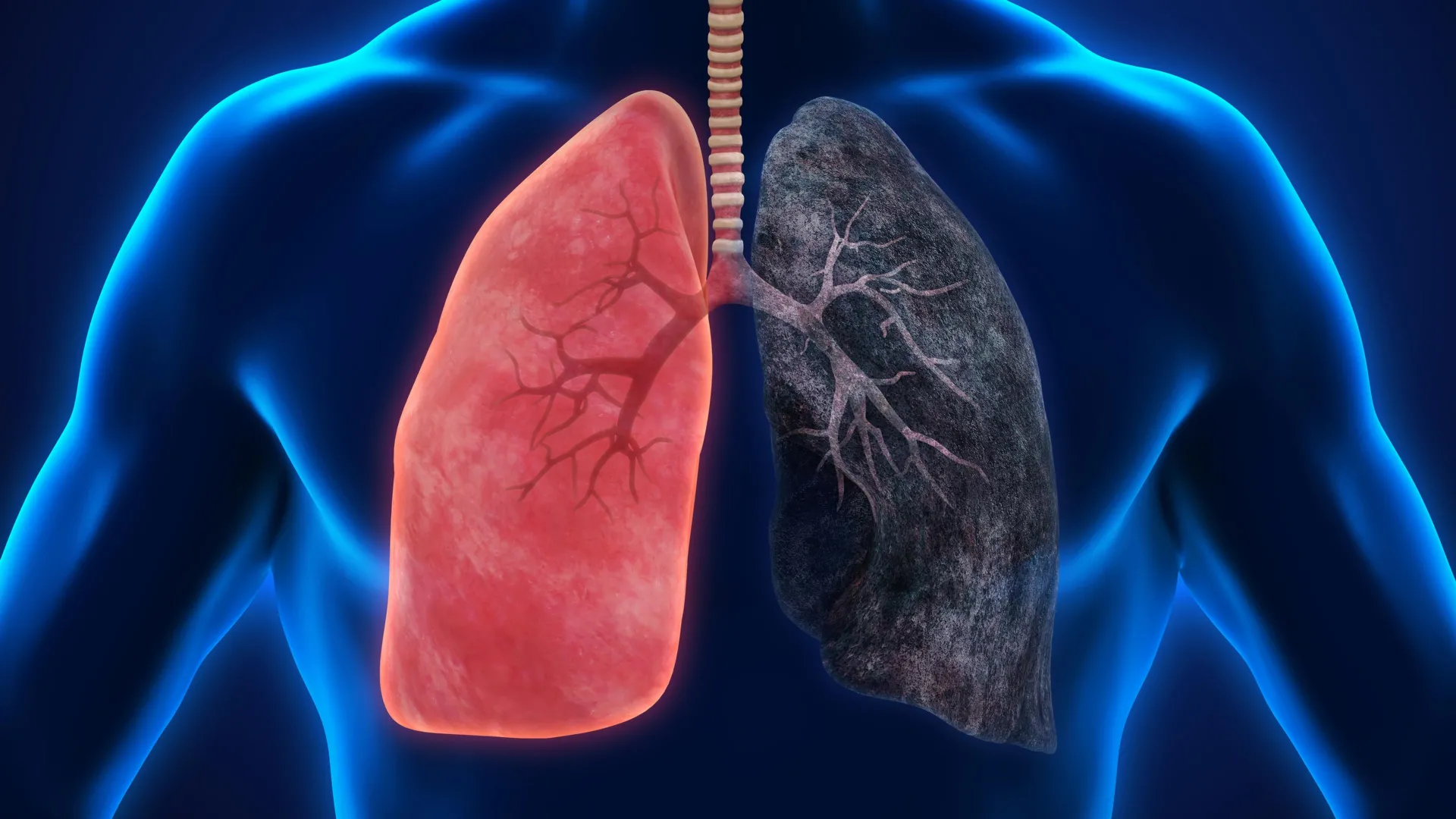
The link to lung cancer is equally complex. Small cell lung cancer (SCLC) and non-small cell lung cancer (NSCLC) are both being scrutinized under the lens of cannabis consumption. Historically, SCLC is almost exclusively associated with heavy inhalational injury, usually from tobacco. However, current data suggests that the inhalation of marijuana smoke may trigger similar pathways, potentially elevating the risk for both categories of lung cancer.
Why Marijuana Smoke May Trigger Malignancy
To understand why marijuana smoke might be carcinogenic, one must look at the physiological mechanisms of inflammation. Dr. Udelsman notes that any substance that induces long-lasting, chronic inflammation provides a fertile environment for cancer development.
The Chemistry of Combustion
Tobacco smoke contains over 7,000 chemicals, approximately 70 of which are established carcinogens. While marijuana’s chemical profile differs, it is not immune to the hazards of combustion. When plant matter is burned, it releases polycyclic aromatic hydrocarbons (PAHs)—compounds that have been proven to damage DNA and trigger systemic inflammation.
Furthermore, there is a specific interplay between THC (tetrahydrocannabinol) and these hydrocarbons. Research suggests that THC may be associated with the conversion of PAHs in the body, potentially exacerbating the inflammatory response. "Anytime inflammation and changes to DNA occur, you’re at risk for developing cancer," Dr. Udelsman notes.
Assessing Secondary Routes: Edibles and Vaping
As the market for marijuana diversifies, consumers are moving away from traditional combustion, opting for edibles, tinctures, and vaping devices. These alternative methods present different risk profiles.
The Case for Edibles
Current clinical evidence suggests that edibles—which bypass the lungs entirely—are unlikely to carry the same lung cancer risk as smoking. Dr. Udelsman is cautiously optimistic, noting that while the data is still thin, there is no currently established link between oral consumption of marijuana and lung cancer. However, he warns that "we don’t yet know if there is a link to other types of cancers, such as gastrointestinal cancers," which could theoretically be affected by the ingestion of certain compounds.
The Vaping Unknown
Vaping represents the "great unknown" of modern respiratory health. While many initially viewed vaping as a safer alternative to smoking, the medical community has since identified a host of severe, non-cancerous inflammatory lung diseases associated with the practice.
Because widespread vaping has only been common for about 15 years, there is no longitudinal data to confirm or deny a link to lung cancer. "The data on vaping is very new," says Dr. Udelsman. "I’d worry about anything you’re breathing into your lungs because it infiltrates the cells and air sacs, which can cause damage and put you at a higher risk for cancer."
The Implications: Moving Toward Risk Mitigation
The scientific consensus is not calling for a prohibitionist return to the past, but rather a more informed approach to public health. The distinction between "occasional use" and "heavy, chronic use" is the most vital takeaway for the average consumer.
Secondhand Risks
While not as extensively studied as tobacco smoke, secondhand marijuana smoke is considered a potential risk factor. Because the smoke contains the same inflammatory particles found in primary smoke, those in close proximity to a heavy user may be inadvertently inhaling irritants that contribute to cellular stress.
The Need for Proactive Healthcare
For individuals who identify as heavy users—those who consume marijuana daily or multiple times per day—the clinical recommendation is to initiate an open dialogue with a healthcare provider. A doctor can evaluate personal risk factors, including family history and duration of use, to determine if additional cancer screening is necessary.
Conclusion: A Balanced Perspective
Despite the growing evidence linking heavy marijuana use to cancer, experts like Dr. Udelsman do not foresee a widespread "marijuana lung cancer epidemic" comparable to the impact of tobacco in the 20th century. The body possesses a remarkable ability to recover from temporary, minor inflammation caused by infrequent, recreational use.
The real concern remains the shift toward daily, high-intensity consumption, where the cumulative effect of DNA-damaging chemicals and chronic lung inflammation may eventually mirror the health outcomes of traditional tobacco smoking. As the legalization landscape continues to shift, the responsibility falls on both the medical community to continue these vital studies and the consumer to acknowledge that, in the world of biology, "natural" does not always equate to "harmless."
By focusing on education and risk assessment, individuals can make informed choices, ensuring that the legalization of cannabis does not come at the cost of long-term health. For now, the safest path remains a clear one: moderation, awareness, and a willingness to discuss consumption habits with medical professionals before they become an irreversible health concern.