





As we move further away from the initial shock of the 2020 lockdowns, the global landscape of health and wellness continues to evolve. The transition into a "new normal" has been anything but linear, characterized by a complex interplay between the residual habits of the pandemic and a gradual return to pre-2020 routines. To help navigate this transition, public health experts are increasingly emphasizing a return to the fundamentals: evidence-based nutrition, consistent physical activity, and restorative sleep.
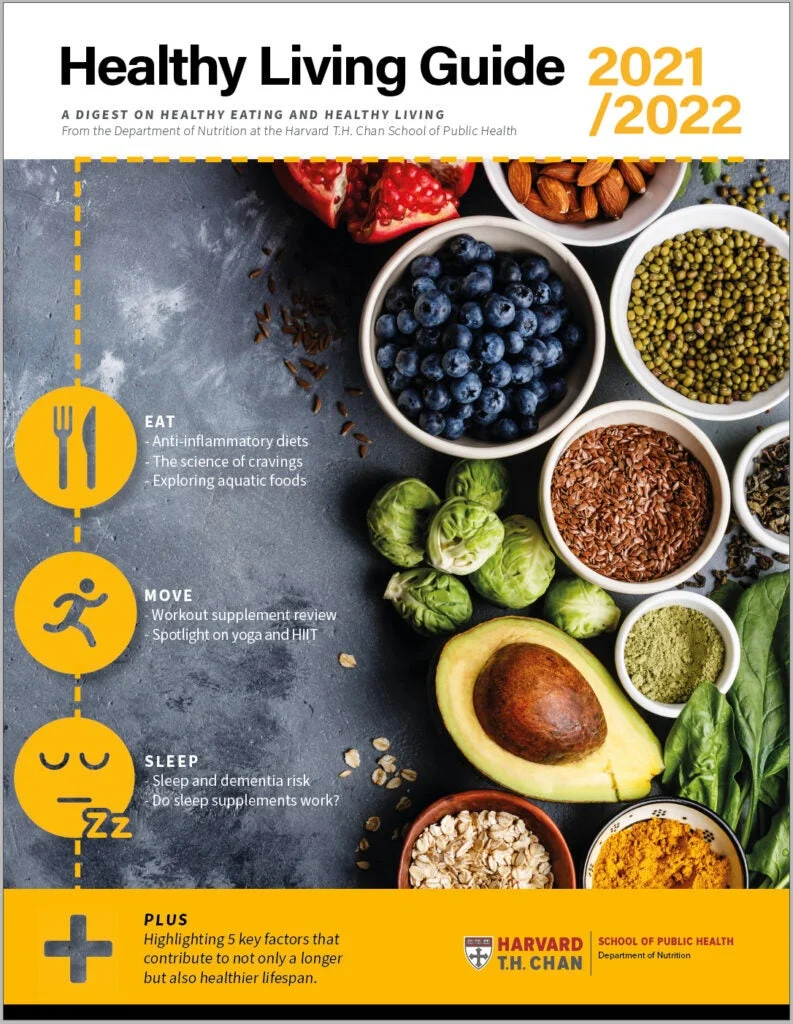
The Harvard T.H. Chan School of Public Health’s latest Healthy Living Guide serves as a vital resource in this endeavor. By synthesizing the latest research, this guide provides a roadmap for those looking to recalibrate their health goals amidst ongoing societal shifts.
Main Facts: The Evolving Landscape of Public Health
The core of contemporary health discourse revolves around the concept of resilience. Resilience, in this context, is not merely the ability to survive a crisis, but the capacity to maintain biological and psychological equilibrium in the face of fluctuating external stressors.
According to recent data from the International Food Information Council (IFIC), the public’s relationship with food has seen a significant shift between 2020 and 2021. The frantic "pantry-loading" and stress-induced snacking that defined the early months of the pandemic have begun to stabilize. However, this stabilization brings new challenges. With the reopening of restaurants and a return to office-based work, there has been a noticeable decline in home cooking—a habit that often correlates with healthier, more controlled nutritional intake.
The primary mission of the current Healthy Living Guide is to empower individuals to reclaim agency over their dietary and lifestyle choices. Whether it is discerning the truth about "superfoods" or understanding the physiological impact of sleep deprivation, the guide acts as a filter for the vast, and often contradictory, stream of health information available to the public today.
Chronology: A Timeline of Pandemic Health Behaviors
Understanding how we got here requires looking at the progression of behaviors over the last three years:
- Early 2020: The Disruption. The onset of the COVID-19 pandemic led to immediate, drastic changes. Panic buying, supply chain concerns, and the sudden cessation of dining out led to a surge in home cooking and, simultaneously, a spike in stress-related snacking.
- Late 2020: The Adaptation. As lockdowns extended, many individuals adopted new "quarantine hobbies," including baking and gardening. However, the mental health toll of isolation began to reflect in increased sedentary behaviors.
- 2021: The Transition. This period was marked by a "hybrid" lifestyle. Data suggests a 14% decrease in "snacking more" compared to the previous year. While this was a positive development, the decline in home cooking (from 60% in 2020 to 47% in 2021) suggests a shift back to convenience-oriented, and often less nutritious, dietary patterns.
- 2022 and Beyond: The Long-Term Integration. As we continue to navigate the emergence of new variants and the endemic nature of the virus, the focus has shifted toward integrating sustainable health habits that do not rely on the artificial constraints of lockdowns.
Supporting Data: Dissecting the Trends
Quantitative analysis provides a clear picture of how consumer behavior has shifted. The 2021 Food & Health Survey highlights several key metrics that define our current health status:
- Snacking Trends: In 2020, 32% of respondents reported increased snacking. By 2021, that figure dropped to 18%. This indicates a return to more structured eating patterns.
- General Consumption: Reports of "eating more in general" fell from 20% to 11% in the same timeframe, suggesting that the initial emotional eating response to the pandemic was partially mitigated as people adjusted to the "new normal."
- The Home Cooking Decline: Perhaps the most significant finding is the reduction in home cooking. While the 2020 surge was largely born of necessity, the decline in 2021 suggests that as convenience returns, the focus on nutritional quality may be slipping.
- Disparities in Food Security: It is critical to note that these trends are not uniform. The pandemic exacerbated existing socioeconomic disparities. For lower-income populations, the cost of healthy food remains a significant barrier, a reality that public health initiatives are now working to address with increased urgency.
Official Responses and Public Health Imperatives
Public health institutions, including Harvard’s Department of Nutrition, have responded to these trends by emphasizing the necessity of a "whole-person" approach. The Healthy Living Guide is not merely a diet plan; it is a comprehensive educational tool.
The Role of Vaccination
The guide explicitly links personal wellness to global public health. The persistent threat of COVID-19 variants serves as a sobering reminder that individual health is interconnected with the health of the community. Public health authorities continue to stress that vaccination is the most effective tool to protect the most vulnerable populations—particularly in low- and lower-middle-income nations where access remains inequitable.
Research-Backed Lifestyle Interventions
The response from the scientific community has been to provide actionable, evidence-based recommendations. These include:
- Prioritizing Whole Foods: Moving away from ultra-processed snacks that became staples during the peak of the pandemic.
- Physical Activity as Medicine: Re-establishing movement as a non-negotiable part of the daily routine, rather than a leisure activity to be squeezed in when time permits.
- Sleep Hygiene: Recognizing sleep as a pillar of the immune system. With the "always-on" nature of digital work-from-home culture, experts are emphasizing the need to create firm boundaries for rest.
Implications: Building a Resilient Future
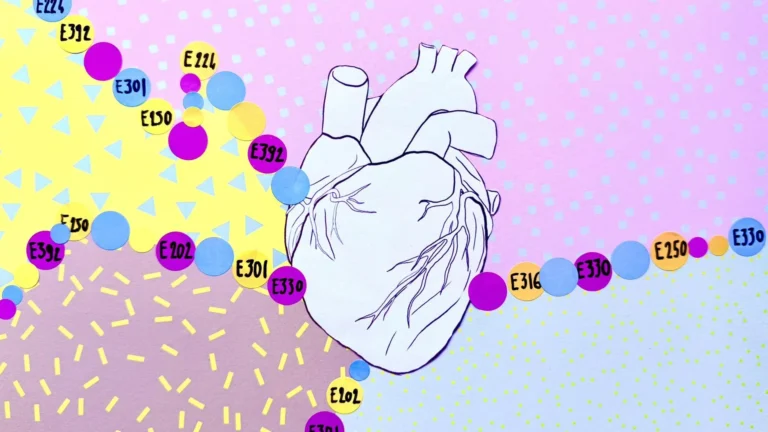
The implications of these trends are far-reaching. If the decline in home cooking continues, we may see a resurgence in diet-related illnesses, such as Type 2 diabetes and cardiovascular disease, which are often exacerbated by the high sodium and sugar content of restaurant and processed foods.
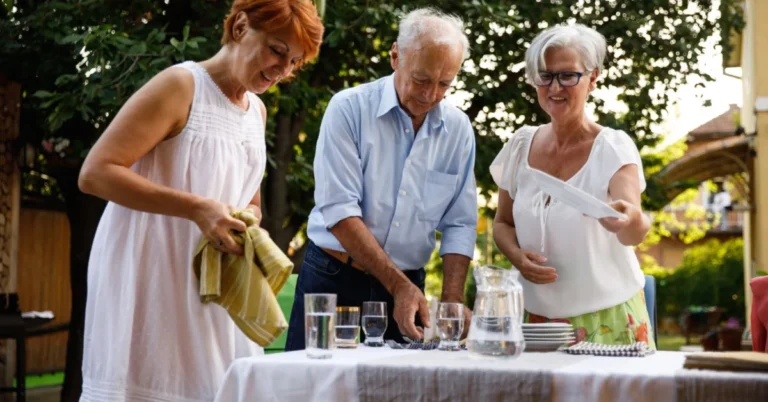
However, the current moment also offers an opportunity. We have learned that we are capable of radical lifestyle shifts when the stakes are high. The challenge now is to maintain those positive behaviors—such as increased home-prepared meals and a renewed appreciation for outdoor activity—without the external pressure of a global lockdown.
Moving Toward Sustainability
The Healthy Living Guide encourages a shift from "quick fixes" to long-term sustainability. This means:
- Flexibility: Accepting that lifestyle changes will have ebbs and flows.
- Education: Utilizing printable tip sheets and expert-curated summaries to make informed decisions rather than following trending fads.
- Engagement: Testing one’s own health knowledge to identify gaps in understanding.
As we look toward the future, the integration of technology and health education will be paramount. By leveraging digital resources—such as the downloadable PDFs and online modules provided by Harvard—individuals can tailor their wellness journeys to their specific needs, regardless of their location or socioeconomic background.
Conclusion: A Call to Action
The journey toward optimal health is personal, yet it is supported by a global body of knowledge. As we continue to navigate the complexities of the 2020s, the Healthy Living Guide stands as a testament to the power of informed decision-making.
Whether you are looking to refine your nutrition, increase your activity levels, or improve the quality of your sleep, the resources provided are designed to offer clarity in an era of information overload. We encourage all readers to download the guide, share its findings, and, most importantly, apply its principles to their daily lives.
Health is a dynamic process, not a destination. By focusing on the core themes of eating well, moving frequently, and resting deeply, we can build the resilience required to thrive in any environment.
Download the 2021-2022 Healthy Living Guide here to begin your journey toward a more fulfilling, health-conscious future.