










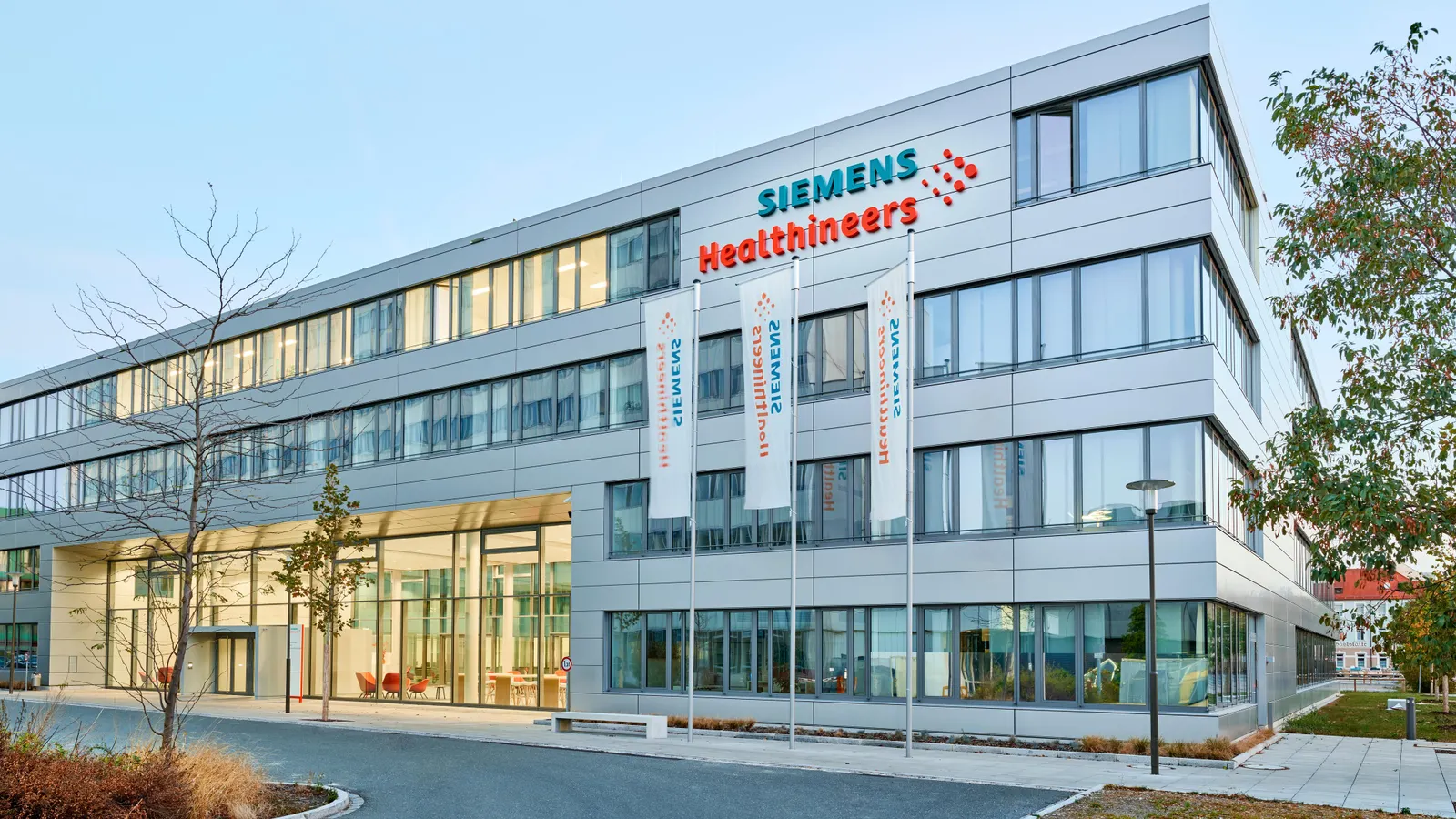
In a move that signals a deepening trend of long-term, high-stakes partnerships between global medical technology manufacturers and premier healthcare institutions, the Cleveland Clinic has announced a major strategic alliance with Siemens Healthineers. This comprehensive agreement is designed to modernize imaging and therapeutic infrastructure across the Clinic’s global footprint, marking a significant evolution in a relationship that has spanned decades.
As health systems face mounting pressure to deliver high-quality, personalized care while managing increasing operational costs, the partnership aims to leverage Siemens’ cutting-edge technology and clinical expertise to streamline workflows, enhance diagnostic precision, and elevate the patient experience. This collaboration places both entities at the forefront of the "precision medicine" movement, with a specific focus on integrating advanced imaging with targeted therapeutic interventions.
The Core of the Agreement: A Multi-Faceted Integration
At its heart, the deal is not merely a procurement contract for medical hardware. It is a strategic alignment of resources, data, and educational goals. Under the terms of the agreement, Siemens Healthineers will provide a wide range of imaging and therapeutic technologies to be deployed throughout the Cleveland Clinic’s various locations and departments.
The scope of the partnership includes:
- Enterprise-wide technology deployment: Standardizing imaging platforms across the global health system to ensure consistency in diagnostic quality.
- Theranostics development: Establishing a dedicated program that bridges the gap between diagnostic imaging and targeted radiotherapy, particularly for oncology patients.
- Center of Excellence for Education: Creating a training hub focused on MRI technologist education, clinical protocol optimization, and radiation safety.
- Operational Support: Providing specialized clinical and technical support teams to work alongside Cleveland Clinic staff to ensure maximum efficiency of the installed technology.
A Historical Chronology: Building on Decades of Collaboration
The current agreement is the latest chapter in a long-standing partnership between two industry titans. The synergy between the Cleveland Clinic’s clinical leadership and Siemens Healthineers’ engineering prowess has been evident for over 15 years.
- 2008: The foundation of the modern partnership was arguably laid with a landmark agreement focused on cardiology image management and Picture Archiving and Communication Systems (PACS). This enabled the clinic to centralize its cardiac imaging data, setting a precedent for enterprise-wide digital health solutions.
- Post-2008 Expansion: Throughout the following decade, the relationship expanded through repeated capital equipment investments, including a series of strategic purchases of linear accelerators for the clinic’s oncology department, underscoring a commitment to high-end cancer care.
- 2024 Strategic Realignment: The current deal represents a pivot from transactional procurement to a "strategic alliance" model. Unlike previous agreements, which were often project-specific, this contract functions as a long-term roadmap for technological integration and clinical research collaboration.
This trajectory reflects a broader industry shift where hospitals are moving away from fragmented vendor relationships in favor of "strategic partners" who offer end-to-end solutions, encompassing everything from software integration to specialized clinical training.
The Strategic Importance of Theranostics and Specialized Care
One of the most transformative elements of the new agreement is the focus on theranostics—a field that combines "therapy" and "diagnostics." By using imaging agents to identify specific biomarkers in cancer cells and then applying targeted radiation therapy to those same cells, clinicians can offer highly personalized treatment plans.
"This strategic alliance with Siemens Healthineers will help us bring more consistent, connected, and advanced imaging and treatment services to our patients," said Peter Liu, chair of enterprise imaging at Cleveland Clinic. "By aligning technology, service, and clinical support more closely across our global health system, we can improve access, increase efficiency, and create a better experience for patients."
The implementation of these programs requires more than just high-end machines; it requires a sophisticated workforce. To this end, the partnership includes a significant educational component. By establishing a center of excellence for MRI technologist training, the Cleveland Clinic is effectively future-proofing its workforce, ensuring that the next generation of clinicians is adept at managing the complex, AI-augmented imaging protocols that define modern radiology.
The Competitive Landscape: The Rise of the "Hospital-Vendor Pact"
The Cleveland Clinic-Siemens deal is part of a larger trend of massive, multi-year, multi-million dollar alliances that are reshaping the MedTech landscape. Hospitals are increasingly seeking to stabilize their supply chains and ensure that their technology remains on the cutting edge for a decade or more.

A clear parallel can be seen in the recent activity of Siemens Healthineers’ peers:
- Mayo Clinic and Siemens: Only six months ago, Siemens Healthineers entered into a 10-year pact with the Mayo Clinic. That partnership shares a similar DNA to the Cleveland Clinic deal, with a strong focus on neurodegenerative diseases and the use of image-guided technologies to combat metastatic cancer.
- GE HealthCare and Catholic Health: Just last week, GE HealthCare announced a 10-year, $500 million alliance with Catholic Health. This deal illustrates the industry-wide move toward "Managed Service" models, where manufacturers take on a greater share of the responsibility for maintaining uptime and optimizing clinical workflows.
These deals suggest that the competitive advantage in the MedTech sector is shifting. It is no longer just about who has the best scanner; it is about who has the best service model, the most robust digital infrastructure, and the ability to partner with hospitals on long-term clinical outcomes.
Implications for the Future of Healthcare
The implications of the Cleveland Clinic-Siemens alliance are profound, touching upon several key areas of healthcare delivery:
1. Operational Efficiency and Data Standardization
By standardizing hardware and software across an entire health system, the Cleveland Clinic can achieve greater interoperability. This means that a scan performed in one facility can be seamlessly analyzed by a specialist in another, reducing redundant testing and speeding up time-to-diagnosis.
2. The Democratization of Advanced Care
The alliance focuses on "global" implementation. This suggests that the Cleveland Clinic is looking to bring the same standard of high-level diagnostic care to all of its locations, not just its main campus. For patients, this means that proximity to a specialized center becomes less of a barrier to receiving top-tier imaging and treatment.
3. Workforce Development
The investment in MRI technologist education and radiation safety protocols addresses a critical pain point in the healthcare industry: the shortage of skilled technologists. By creating a pipeline for education and certification, the partnership helps ensure that the advanced technology being installed is actually utilized to its full clinical potential.
4. Innovation Through Collaboration
The integration of Siemens’ research and development teams with Cleveland Clinic’s clinical investigators creates a "living lab" environment. This partnership will likely result in the development of new clinical protocols and software updates that are refined in a real-world clinical setting, eventually finding their way into the broader medical market.
Conclusion: A Blueprint for Modern Medicine
The alliance between Cleveland Clinic and Siemens Healthineers is a bellwether for the future of large-scale healthcare systems. In an era of rapid technological advancement and rising patient expectations, the siloed approach to technology procurement is becoming obsolete.
By committing to a decade-long partnership, the Cleveland Clinic is signaling that it views technology not as an expense, but as a critical clinical asset that requires deep, long-term collaboration to manage effectively. For Siemens Healthineers, the deal serves as a testament to its ability to function as a holistic solutions provider rather than just a hardware manufacturer.
As the healthcare industry continues to grapple with the challenges of aging populations, the complexity of cancer care, and the necessity for digital transformation, these types of strategic alliances will likely become the standard. The success of this collaboration will be measured not just in the number of machines installed, but in the measurable improvements in patient outcomes, the speed of diagnostic pathways, and the long-term sustainability of the Cleveland Clinic’s global care model.