










The quest to address the root physiological cause of narcolepsy has taken a significant leap forward. Lundbeck, the global pharmaceutical company known for its focus on brain health, recently announced that the U.S. Food and Drug Administration (FDA) has granted Fast Track designation to its investigational compound, Lu AH69593. This oral orexin 2 receptor (OX2R) agonist, currently moving through phase 1b clinical trials, represents one of the most promising avenues in modern sleep medicine, aiming to move beyond symptom management toward the restoration of natural neurological pathways.
The Science of Wakefulness: Targeting the Orexin Pathway
To understand the potential impact of Lu AH69593, one must first grasp the underlying biology of narcolepsy. Narcolepsy is a chronic neurological disorder characterized by the brain’s inability to regulate sleep-wake cycles normally. In many patients—particularly those with type 1 narcolepsy—this is driven by the progressive loss of orexin-producing neurons in the hypothalamus.
Orexin (also known as hypocretin) is a neuropeptide that acts as a vital "on-switch" for the brain’s arousal systems. When these neurons are lost, the brain struggles to maintain wakefulness during the day and regulate sleep transitions at night, leading to debilitating symptoms such as excessive daytime sleepiness (EDS), sleep paralysis, and cataplexy (the sudden loss of muscle tone triggered by strong emotions).
Lu AH69593 is a small-molecule compound designed to bypass the depleted orexin neurons by directly activating the orexin 2 receptors. By stimulating these receptors, the drug aims to mimic the natural signaling pathways that maintain alertness and stabilize the transitions between sleep and wakefulness. Unlike traditional stimulants, which often manipulate dopamine or norepinephrine levels and carry risks of dependency or side effects like jitteriness and insomnia, an OX2R agonist seeks to restore the specific chemical architecture missing in the narcoleptic brain.
Chronology of Development: From Laboratory to Clinical Trial
The journey of Lu AH69593 is a testament to the rigorous, multi-year process of neuro-pharmaceutical development.
- Pre-clinical Discovery: Following years of research into the orexin system, Lundbeck identified the molecular structure of Lu AH69593. During pre-clinical phases, the compound demonstrated a high affinity for the OX2R receptor, showing promise in animal models for promoting wakefulness without the typical "crash" associated with older stimulant classes.
- Regulatory Filing: As the data matured, Lundbeck moved to engage with regulatory bodies to define the clinical pathway for this novel therapeutic.
- Phase 1 Development: The compound entered human clinical trials to establish safety and tolerability. Phase 1a focused on safety in healthy volunteers, while the current phase 1b program is aimed at evaluating the pharmacokinetic and pharmacodynamic profiles in patients with narcolepsy.
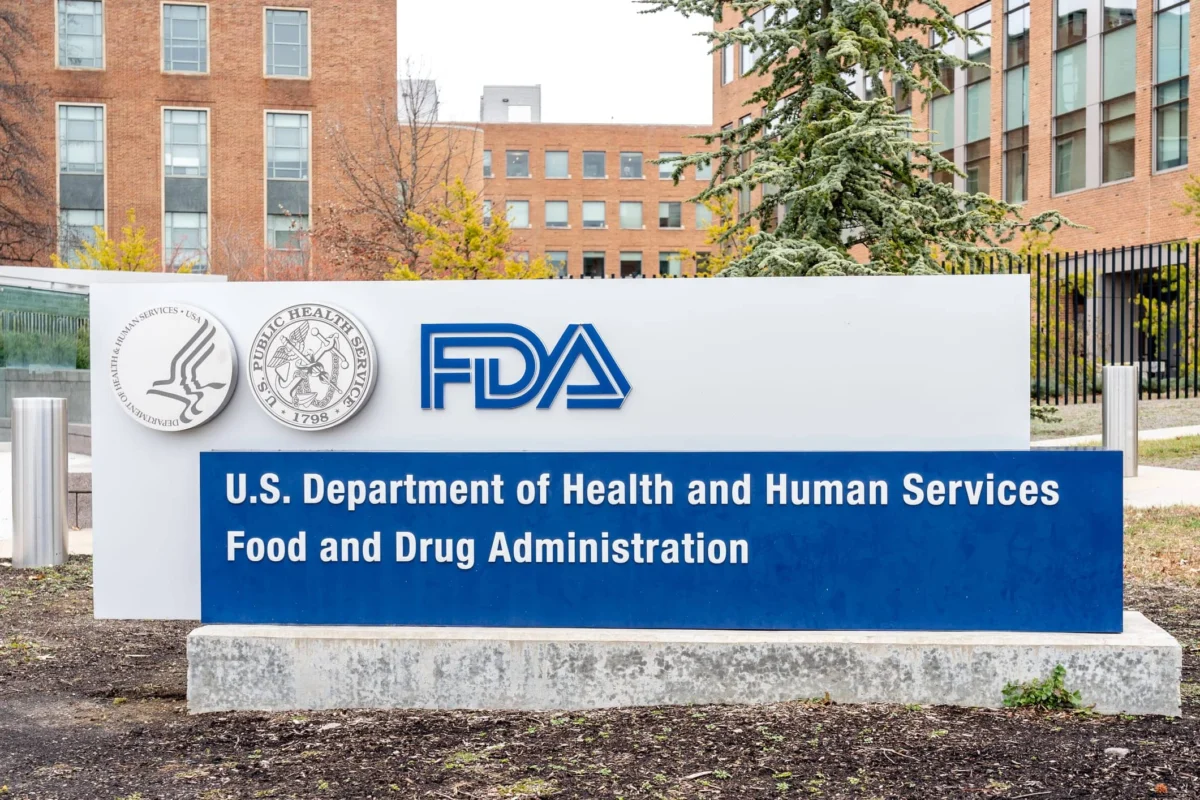
- FDA Fast Track Designation: In a major milestone, the FDA granted Fast Track designation. This regulatory tool is designed to accelerate the development and expedite the review of drugs that treat serious conditions and fill unmet medical needs, effectively placing Lu AH69593 on a "fast lane" toward potential approval.
Supporting Data and Clinical Objectives
The current phase 1b clinical program for Lu AH69593 is multifaceted, focusing on several critical benchmarks required for regulatory success. According to the company’s disclosures, the trial is designed to assess:
- Safety and Tolerability: This is the primary objective of any early-stage trial. Researchers are closely monitoring for adverse events, ensuring that the compound does not cause excessive autonomic nervous system activation or other systemic side effects.
- Pharmacokinetics (PK): This involves studying how the drug is absorbed, distributed, metabolized, and excreted by the human body. Because this is an oral medication, achieving the right concentration in the bloodstream at the right time is crucial for maintaining consistent wakefulness throughout the day.
- Pharmacodynamics (PD): This focuses on the drug’s effect on the body. Investigators are looking for objective evidence that the orexin receptors are being engaged and that the brain’s sleep-wake architecture is being stabilized in real-time.
By focusing on these parameters in the 1b phase, Lundbeck aims to establish a robust data package that will support the transition into larger, pivotal phase 2 and phase 3 trials. These later stages will be critical in demonstrating not just that the drug is safe, but that it provides a clinically meaningful improvement in the lives of patients suffering from narcolepsy.
Official Responses: A Vision for the Future
The reception of the Fast Track designation within Lundbeck’s leadership has been one of cautious optimism and strategic focus. Johan Luthman, executive vice president of Research and Development at Lundbeck, articulated the significance of the news in a formal statement.
"Fast Track designation is an important milestone for Lu AH69593 and for our ambition to translate compelling orexin biology into a new treatment approach for narcolepsy and other sleep-wake disorders," Luthman stated.
Luthman highlighted the human element of the research, noting that the condition is not merely a medical diagnosis, but a life-altering reality for patients. "For people living with narcolepsy, the ability to sustain wakefulness can shape almost every part of daily life. Fast Track designation underscores the urgent need for innovative therapies for narcolepsy and recognizes the potential of Lu AH69593."
This response mirrors the broader consensus among sleep specialists: that current standard-of-care treatments, while helpful, often fail to address the underlying pathology of the disorder. By focusing on the orexin system, Lundbeck is positioning itself at the forefront of a shift toward "mechanism-based" therapies.
Implications: The Changing Landscape of Sleep Medicine
The designation of Lu AH69593 by the FDA has broader implications for the pharmaceutical landscape and the patient community.
1. A New Era of Targeted Therapy
For decades, narcolepsy has been managed with a "symptom-first" approach. Patients have relied on modafinil, armodafinil, and sodium oxybate to keep them awake or consolidate sleep. While these drugs have saved lives, they are essentially "band-aids." An orexin agonist is a "restorative" therapy. If successful, it could theoretically allow patients to function more naturally, potentially reducing the need for multiple medications.
2. The Power of Fast Track
The FDA’s Fast Track process is more than a administrative nod; it provides Lundbeck with more frequent meetings with the FDA to discuss the drug’s development plan and ensure that the data collected is sufficient to support a New Drug Application (NDA). This collaboration reduces the "trial and error" risk often associated with drug development, potentially bringing the drug to market years faster than a standard development timeline.
3. Patient Advocacy and Unmet Needs
Narcolepsy remains a stigmatized and often misunderstood condition. Many patients struggle with the social and professional ramifications of their symptoms. The development of a novel class of drugs like Lu AH69593 brings much-needed attention to the condition. Increased research interest generally correlates with better awareness, more funding, and improved diagnostic protocols, all of which benefit the patient community.
4. Competitive Dynamics
Lundbeck is not the only player in the "orexin race." Several other pharmaceutical giants are investigating similar OX2R agonists. This competition is healthy for the industry, as it accelerates innovation and forces companies to refine their clinical trial designs to prove the superior efficacy and safety of their specific molecules.
Conclusion: The Path Forward
While Lu AH69593 is not yet approved for marketing by any regulatory authority, its current trajectory is promising. The transition from the laboratory to phase 1b clinical trials, supported by the FDA’s Fast Track designation, signals that the scientific community is moving closer to a breakthrough in the treatment of narcolepsy.
For patients and their families, the path ahead involves waiting for the final results of the phase 1b trial. Following that, the drug will need to successfully navigate phase 2 and phase 3, where its efficacy in larger, diverse patient populations will be tested.
However, the progress made by Lundbeck serves as a beacon of hope. By targeting the fundamental deficit—the loss of orexin—the medical field is finally closing the gap between understanding the cause of narcolepsy and providing a truly effective, targeted solution. As clinical development continues, the global medical community will be watching closely, awaiting the data that could turn this promising molecule into a life-changing reality for those trapped in the exhaustion of narcolepsy.