







Introduction: A Commitment to the Unmet Need
In the rapidly evolving landscape of oncology, the last decade has been defined by a paradigm shift toward immunotherapy. For many patients, the advent of checkpoint inhibitors and CAR T-cell therapies has transformed once-lethal diagnoses into manageable conditions or even cures. Yet, amidst this wave of success, a significant clinical void remains: aggressive T-cell lymphomas.
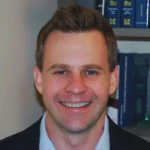
Dr. Federico Mario Aletti, a distinguished researcher at The University of Texas MD Anderson Cancer Center, is working to close this gap. Driven by the stark realities he witnessed during his residency at the San Raffaele Hospital in Milan, Italy, Dr. Aletti is spearheading research into next-generation immunotherapies. His current work, supported by the Lymphoma Research Foundation, seeks to engineer a chimeric antigen receptor (CAR) T-cell therapy that is not only highly effective but uniquely selective, potentially sparing patients the devastating toxicities often associated with conventional chemotherapy.
Chronology: From the Wards of Milan to the Frontiers of Houston
The trajectory of Dr. Aletti’s career is rooted in a fundamental empathy for the patient experience. His journey began in Milan at the Università Vita-Salute San Raffaele, where the limitations of modern medicine were brought into sharp focus.
- The Formative Years (Medical Training): During his residency, Dr. Aletti spent countless hours in the oncology wards. It was here that he observed the disparity in outcomes. While patients with certain B-cell malignancies saw success with standard protocols, those with T-cell lymphomas frequently faced a "clinical dead-end."
- The Catalyst for Innovation: Confronted with the exhaustion of standard chemotherapy options, Dr. Aletti recognized that systemic treatments were often as damaging to the patient as the disease itself. He resolved to pivot his focus toward translational science, seeking to bridge the gap between bench research and the bedside.
- Transition to MD Anderson: Relocating to The University of Texas MD Anderson Cancer Center allowed Dr. Aletti to integrate into one of the world’s most robust research environments. This move served as the foundation for his current project, which targets the specific biological signatures of malignant T-cells.
- Foundation Support: With the backing of the Lymphoma Research Foundation, Dr. Aletti launched his formal investigation into KIR3DL2-targeted CAR T-cell therapy, marking a new chapter in his efforts to pioneer personalized, targeted oncology.
Supporting Data: The Biological Challenge of T-Cell Lymphoma
To understand the necessity of Dr. Aletti’s work, one must understand the biological complexity of T-cell lymphomas. Unlike B-cell malignancies, where surface markers like CD19 provide clear targets for CAR T-cell therapies, T-cell malignancies are notoriously difficult to target without damaging the patient’s own healthy immune cells—a phenomenon known as "fratricide."
The KIR3DL2 Target
Dr. Aletti’s research centers on the protein KIR3DL2. This molecule is frequently overexpressed on the surface of malignant T-cells in specific aggressive lymphomas. By focusing on this target, Dr. Aletti is attempting to solve the problem of selectivity.
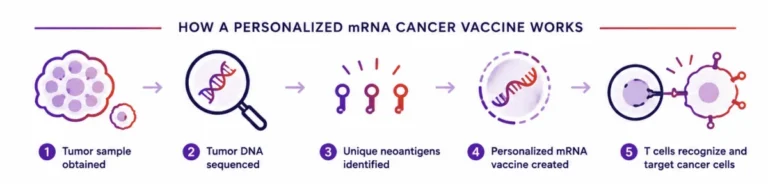
- The Mechanism: CAR T-cell therapy involves extracting a patient’s T-cells, genetically modifying them to recognize a specific antigen, and reinfusing them to hunt down cancer cells.
- The Innovation: By directing these engineered cells specifically toward KIR3DL2, Dr. Aletti aims to create a "seek-and-destroy" mechanism that ignores healthy T-cells, thereby minimizing off-target toxicities.
- Translational Implications: Pre-clinical data suggests that refining the CAR structure to improve binding affinity and cellular persistence is the key to achieving "deep and durable remissions"—the gold standard in current hematologic oncology.
Official Perspectives: The Philosophy of Integrated Care
Dr. Aletti’s approach is defined by a refusal to treat "research" and "clinical practice" as siloed activities. His perspective offers a blueprint for the future of academic medicine.
"Clinical care and research are not separate paths but complementary and equally essential components of meaningful progress," Dr. Aletti stated in a recent interview. He argues that the most pressing questions in oncology do not originate in the laboratory, but in the sterile, high-stakes environment of the patient’s room.
"High-quality translational research must originate from real clinical needs," he emphasizes. "Just as advances in patient care depend on rigorous and innovative science, the science itself must be tempered by the reality of the patient experience."
For Dr. Aletti, the goal is not merely to publish findings, but to build a research program that is fully integrated into his clinical practice. By maintaining this connection, he ensures that his team remains grounded in the human element of medicine, fostering a creative environment where empathy drives innovation.

The Future: Implications for Global Oncology
The implications of Dr. Aletti’s work extend far beyond a single clinical trial. If successful, his research into KIR3DL2-targeted therapies could provide a framework for treating a wide array of T-cell-derived cancers that currently lack viable therapeutic alternatives.
Advancing Patient-Centered Care
The ultimate vision for Dr. Aletti’s research is the democratization of high-quality care. By reducing the toxicity profile of CAR T-cell therapy, he hopes to make these treatments accessible to a broader range of patients, including those who are currently considered too fragile for intensive protocols.
"My goal is to bring an innovative, safe, and highly effective therapy closer to patients who urgently need new treatment options," he says. This is not just a scientific ambition; it is a moral one. The transition from chemotherapy-heavy regimens to precision immunotherapies represents the next major hurdle in the fight against lymphoma.
Building a Legacy of Innovation
Dr. Aletti’s commitment to his field is characterized by a "continuous deepening" of expertise. He envisions a future where his research laboratory and his clinical clinic feed into one another in a virtuous cycle.
"I aim to remain closely connected to patients and their experiences," Dr. Aletti reflects. "I want to foster a research environment where creativity drives the development of new therapeutic strategies. My ultimate goal is for these elements to converge in the delivery of high-quality, patient-centered care, ensuring that scientific innovation translates into tangible benefits for individuals affected by lymphoma."
Conclusion
The story of Dr. Federico Mario Aletti is a reminder of the power of the individual researcher to challenge the status quo. By turning the trauma of his early residency experiences into the fuel for scientific inquiry, he has placed himself at the vanguard of hematologic oncology. As he continues his work at MD Anderson, the lymphoma community watches with optimism.
While the road to a new FDA-approved therapy is long, paved with rigorous trials and complex regulatory hurdles, the path forward is clear. Through his focus on precision, his commitment to translational science, and his unwavering dedication to the patient, Dr. Aletti is not just researching a cure—he is building the infrastructure for a future where aggressive T-cell lymphoma is no longer a terminal prognosis, but a manageable challenge.
As he looks toward the years ahead, Dr. Aletti remains steadfast: "Science is only as meaningful as the lives it improves." In this pursuit, he continues to bridge the gap between the laboratory bench and the bedside, ensuring that the next generation of patients has the options he once wished he could provide to his own.