







For decades, the food and beverage industry has marketed low-calorie and artificial sweeteners as "metabolically neutral"—substances that provide the sweetness of sugar without the metabolic baggage. However, a groundbreaking study from the University of Cambridge’s Medical Research Council (MRC) Toxicology Unit has shattered this assumption. Researchers have discovered that many common sweeteners are not inert; they possess the capacity to directly interfere with the delicate bacterial ecosystems that sustain human health.
The study, published in Molecular Systems Biology, suggests that the impact of these additives is not only direct but also highly context-dependent. When combined with other substances, such as food additives or common pharmaceuticals, the impact on gut bacteria can be significantly amplified, raising urgent questions about the unintended consequences of our modern chemical-heavy diet.
The Core Findings: A Microbial Tug-of-War
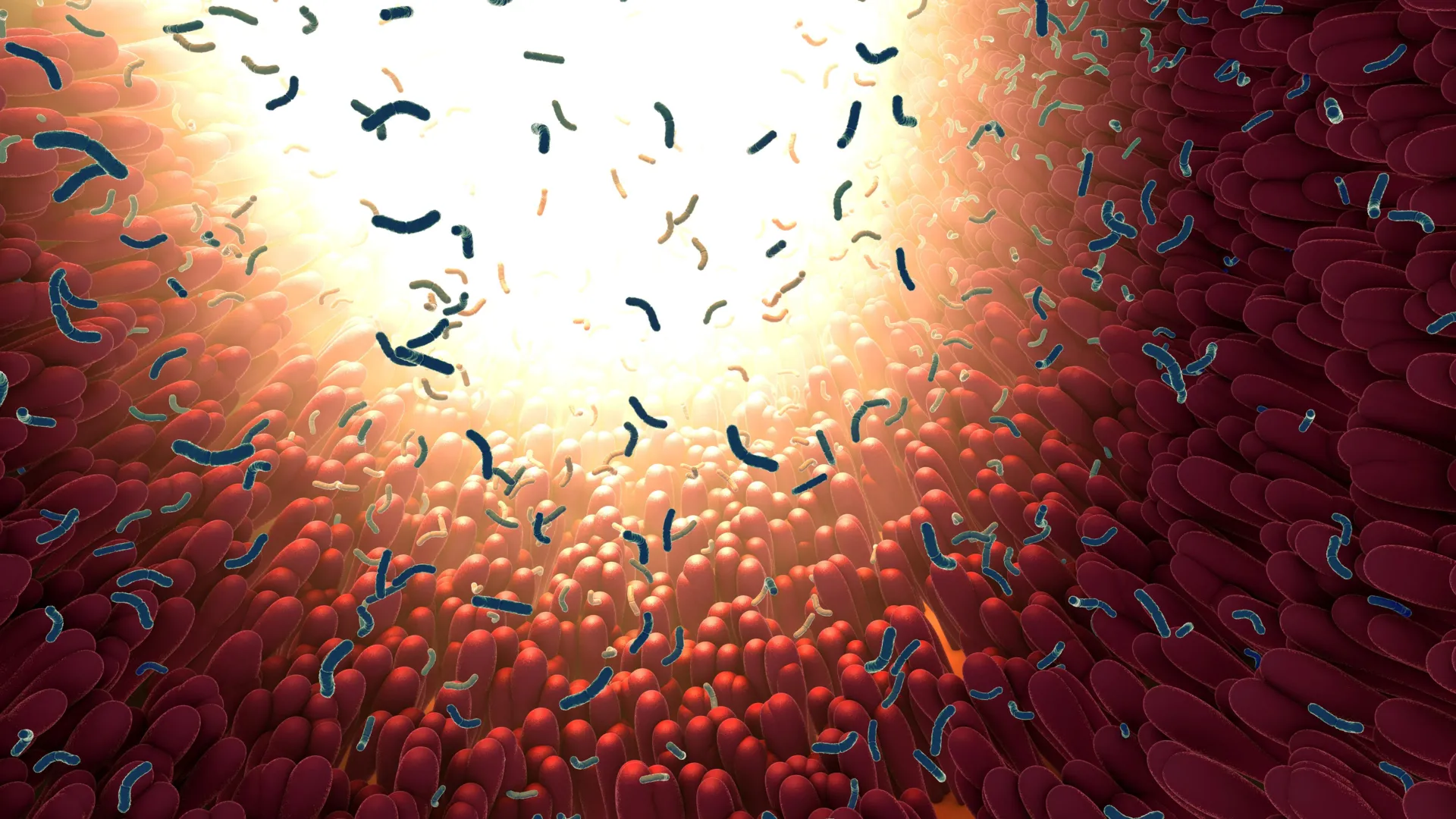
At the heart of the research is the gut microbiome—a vast, intricate community of trillions of microorganisms residing in the human digestive tract. These microbes are essential for breaking down food, synthesizing vital nutrients, training the immune system, and regulating metabolic functions.
The Cambridge team, led by Dr. Sonja Blasche and Professor Kiran Patil, exposed 25 distinct bacterial species to 39 different sweeteners, including both natural and artificial varieties. The results were startling: approximately 75% of the tested sweeteners exhibited an inhibitory effect on the growth of at least one bacterial species.
The most concerning findings, however, emerged when the researchers introduced "real-world" complexity. Recognizing that humans rarely consume sweeteners in isolation, the team paired them with common additives like caffeine and vanillin, as well as widely used medications. They identified more than 100 instances where the presence of a second compound altered the sweetener’s effect on bacteria, with 34 of those combinations resulting in a stronger, more toxic impact on the microbial population.
Chronology: From Lab Bench to Microbiological Insight
The path to these findings began with a fundamental question: Do sweeteners pass through the digestive system as "ghosts," or do they actively engage with the biological machinery of the gut?
- Initial Screening: The team curated a library of 25 bacterial species, representing a mix of beneficial, neutral, and potentially harmful organisms. Each was subjected to 39 commercially available sweeteners.
- Mapping Interactions: Researchers monitored the growth rate of these cultures. They discovered that rather than being passive, the sweeteners actively impeded the replication of several beneficial bacterial species.
- Introducing Complexity: To mimic the reality of a human diet and medication regimen, the researchers began pairing sweeteners with common substances. This phase revealed the "synergistic" effects that occur when chemicals collide in the gut.
- Synthetic Ecosystem Testing: The researchers created a simplified synthetic community containing all 25 species. They observed that when exposed to certain combinations, the community’s overall diversity plummeted—a red flag for gut health—and the internal balance shifted, favoring some species while causing others to wither.
- Data Analysis: The team synthesized their findings to demonstrate that the combination of isosteviol and the antidepressant duloxetine was particularly potent in suppressing critical health-linked bacteria.
Supporting Data: The Duloxetine-Isosteviol Connection
Perhaps the most alarming data point involves the interaction between isosteviol—a derivative of stevia often used in sweeteners—and duloxetine, an antidepressant frequently prescribed for anxiety, depression, and chronic pain. In the United States alone, over 4.2 million prescriptions for duloxetine were written in 2023.
In the laboratory setting, this specific combination drastically suppressed the growth of Roseburia intestinalis and Parabacteroides merdae. These two species are not merely "background noise" in the gut; they are keystone organisms associated with the production of short-chain fatty acids, which regulate blood sugar and maintain the structural integrity of the intestinal lining.
When these bacteria are inhibited, the study suggests a ripple effect: researchers observed that the change in microbial composition increased toxicity toward host cells and disrupted the signaling pathways involved in immune responses and inflammation. This indicates that the "sweetener-medication" dynamic could potentially extend its reach far beyond the colon, impacting systemic health.
Official Perspectives: Shifting the Paradigm
The researchers are careful to frame these findings as a catalyst for future investigation rather than a definitive diagnosis of current health crises.
Professor Kiran Patil, senior author of the study, notes that the historical reliance on animal models and population-level data has left a significant gap in our understanding. "Most of what we know comes from population studies, which show correlations between sweeteners and conditions like obesity or diabetes," Patil explains. "But it’s been difficult to pin down the mechanism. Our research suggests that the interaction isn’t just with the human host, but with the microbiome itself."
Dr. Sonja Blasche emphasizes the danger of the "metabolically neutral" marketing myth. "We found that sweeteners can directly affect gut bacteria, particularly when mixed with other compounds," Blasche stated. "These common combinations could have unintended effects on our gut microbiome, potentially disrupting the delicate balance that keeps us healthy."
The team’s work has been supported by the European Union’s Horizon 2020 program and the UK Medical Research Council, reflecting the high level of scientific interest in the potential long-term public health impacts of these additives.
Implications: The Future of Nutrition and Medicine
The implications of this research are far-reaching, touching on everything from pharmaceutical guidelines to food safety regulations.
1. Reassessing Drug-Food Interactions
Traditionally, clinicians are trained to look for drug-drug interactions, but rarely are they instructed to consider how a patient’s diet—specifically the intake of artificial sweeteners—might alter the efficacy or toxicity of a medication. If a common antidepressant’s side-effect profile is exacerbated by the presence of a sweetener, it could change how doctors advise patients on their diets.
2. The Myth of the "Inert" Additive
The study challenges food safety standards that generally classify sweeteners based on their absorption in the human bloodstream. This research suggests that even if a substance is not absorbed into the body, it can still wreak havoc by "editing" the composition of the gut microbiome. Regulators may need to expand their toxicity testing to include the gut’s microbial ecosystem.
3. The Need for Human-Centric Research
While the findings are compelling, the researchers are the first to admit that a petri dish is not a human. The human digestive tract is a complex, dynamic environment where sweeteners may be diluted, chemically transformed by enzymes, or neutralized by other dietary factors before they ever reach the microbes in the distal gut.
Future studies will need to move into clinical trials, tracking how real-world consumption of these combinations affects human subjects. Scientists will need to measure whether the bacterial changes observed in the lab translate to measurable shifts in metabolism, inflammation, or immune health in people with diverse diets and genetic backgrounds.
Conclusion
The University of Cambridge study serves as a necessary wake-up call for both the medical community and the general public. For years, we have been told that swapping sugar for sweeteners is a simple, cost-free trade. The mounting evidence—now including these insights into microbial disruption—suggests the trade-off may be more complex than we imagined.
As we continue to navigate a food landscape dominated by ultra-processed items and a medical landscape where chronic medication use is common, understanding the hidden chemical conversations occurring in our guts has never been more vital. While we await further human-scale research, these findings provide a compelling argument for caution: our microbes are listening, and they are reacting to the chemistry we put into our bodies in ways we are only just beginning to understand.