








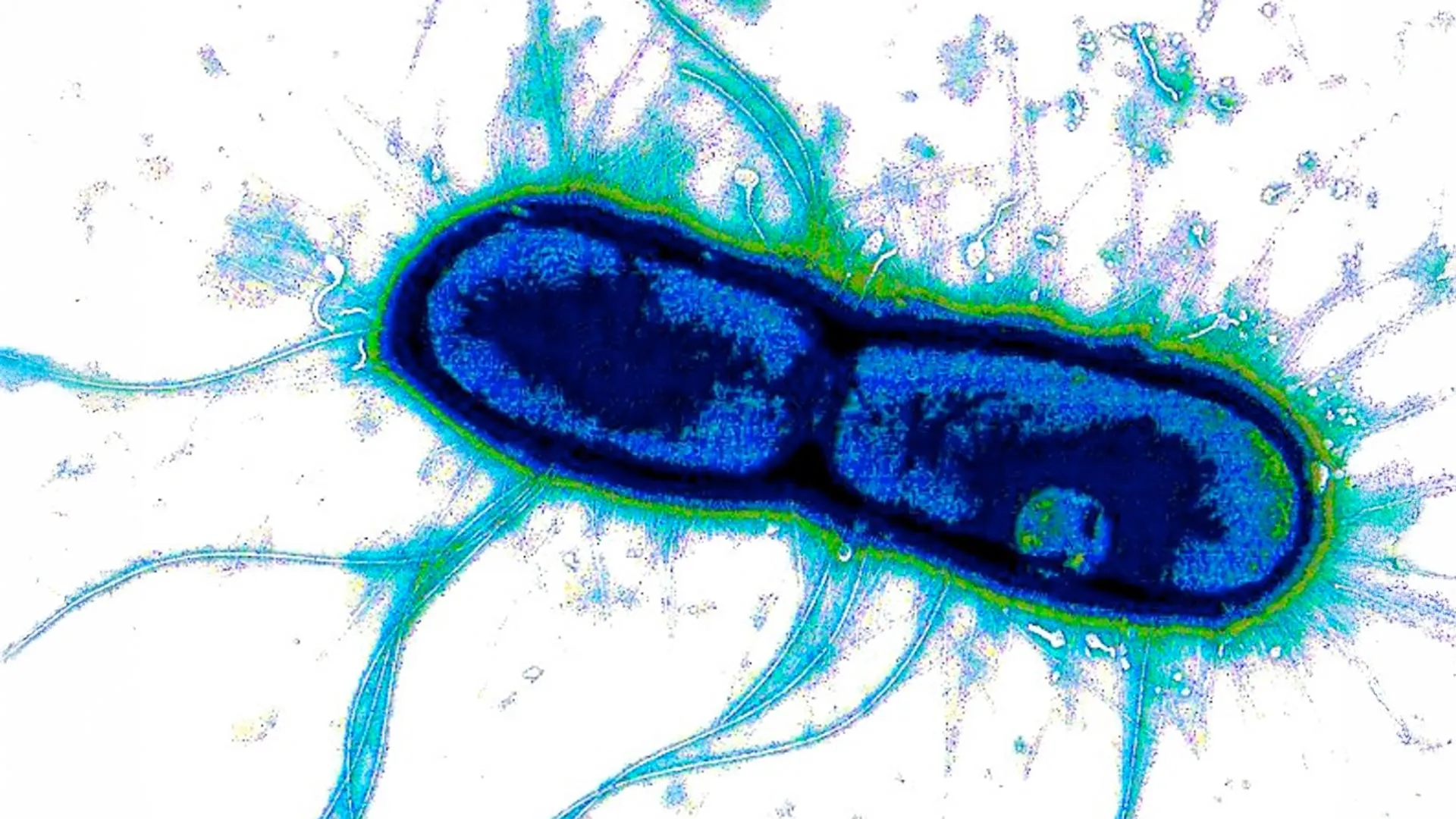
For decades, the global medical community has grappled with an invisible, persistent, and deadly adversary. Enterotoxigenic Escherichia coli (ETEC) and Shigella—two of the world’s most pervasive bacterial pathogens—are responsible for hundreds of millions of infections annually. For children in low-resource settings, these infections are not merely a source of temporary discomfort; they are a leading cause of fatal diarrheal disease, contributing to a cycle of malnutrition and developmental setbacks. Despite their staggering impact, effective vaccines remain elusive.
However, a landmark study published on June 15 in the Proceedings of the National Academy of Sciences (PNAS) has unveiled a biological vulnerability shared by these pathogens. By identifying a common mechanism these bacteria use to breach the human gut, researchers at Washington University School of Medicine in St. Louis, in collaboration with the University of Missouri and the International Centre for Diarrhoeal Disease Research, Bangladesh (icddr,b), have laid the groundwork for a potential "universal" vaccine capable of neutralizing multiple dangerous gut bacteria simultaneously.
The Barrier Breach: How Pathogens Invade
To understand the significance of this discovery, one must first understand the battlefield. The human intestine is protected by a sophisticated, thick layer of mucus. This biological coating is not merely a lubricant; it is a complex physical and chemical fortress that keeps harmful microbes away from delicate intestinal tissues while maintaining a symbiotic balance with beneficial bacteria.
For ETEC—the primary cause of travelers’ diarrhea—and Shigella, causing disease is an engineering challenge. They must navigate this mucus barrier to reach the epithelial cells where they can release the toxins that trigger severe gastrointestinal distress.
The research team, led by Dr. James M. Fleckenstein, a professor of medicine in the Division of Infectious Diseases at WashU Medicine, found that these bacteria do not simply push through this layer. Instead, they wield a specialized arsenal of enzymes to carve a path.
Identifying the Enzymatic "Key"
Dr. Fleckenstein’s laboratory had previously identified an enzyme in ETEC called EatA, which functions as a molecular pair of scissors, degrading the structural proteins that give the gut mucus its integrity. The new study expanded this scope, revealing that Shigella and other diarrhea-causing bacteria utilize two closely related enzymes—known as SepA and Pic—to perform the exact same function.
"These bacteria have evolved right alongside us, and they’ve gotten very good at breaching our defenses," Dr. Fleckenstein noted. "What’s exciting here is that we’ve found a kind of Achilles’ heel or weak point they share that we might be able to target to protect against both."
Chronology of Discovery: From Clinical Observation to Structural Insight
The path to this discovery was a multi-year effort that bridged clinical field work in Bangladesh with high-tech structural biology in Missouri.
- Early Clinical Observations: The foundation of this research began in Dhaka, Bangladesh, where the team studied cohorts of children. Observations showed that children who had naturally developed antibodies against the EatA enzyme were statistically less likely to become severely ill when infected with ETEC. Conversely, those lacking these specific antibodies suffered higher rates of morbidity.
- Isolating the Response: Working with Dr. Ali Ellebedy, an expert in immunology at WashU, the researchers isolated antibodies from individuals who had either naturally contracted ETEC or were exposed in controlled clinical studies. The team discovered that antibodies specifically designed to block EatA were cross-reactive—they could also neutralize the SepA and Pic enzymes found in Shigella.
- Structural Mapping: To visualize exactly how this cross-protection worked, the team utilized cryo-electron microscopy. Led by Dr. David P. Buckley at the University of Missouri, the researchers froze the enzymes at the molecular level, allowing for imaging at extraordinary detail.
- The Reveal: The imaging confirmed that these enzymes share a conserved, common region. The antibodies target this shared region, effectively "gumming up" the machinery the bacteria use to digest mucus. By disabling these enzymes, the body’s immune system effectively keeps the bacteria trapped within the harmless, outer layer of the mucus, preventing them from ever reaching the intestinal wall to cause infection.
Supporting Data and The Path to Rational Vaccine Design
The breakthrough lies in the move from observational medicine to "rational vaccine design." Historically, vaccine developers have targeted bacterial surface proteins, which vary wildly between different strains, rendering many vaccine candidates ineffective as the bacteria mutate.
By targeting a conserved enzymatic function rather than a surface protein, the researchers have identified a target that is much harder for the bacteria to "hide" through mutation. Because the enzymes are essential for the bacteria’s ability to establish an infection, the pathogens are under significant evolutionary pressure to keep these enzymes functional.
"By identifying the key regions of EatA that are targeted by neutralizing antibodies capable of inhibiting its enzymatic function, we’ve established a foundation for rational vaccine design," said Dr. Zachary Berndsen, co-senior author and assistant professor of biochemistry at the University of Missouri. "This is a major advance toward the development of effective therapeutics that have the potential to save many lives."
Official Responses and Expert Perspectives
The academic and clinical communities have responded to the findings with cautious optimism, viewing this as a potential paradigm shift in how we approach gastrointestinal infectious diseases.
Dr. James M. Fleckenstein, Co-Senior Author:
"For something so common and so deadly to young children, it’s striking that we still don’t have a vaccine for either of these pathogens. This study establishes EatA as a viable vaccine candidate capable of providing protection across multiple pathogens. If we can block that first step—the breach of the mucus barrier—we have a chance to stop these infections before they ever take hold."
Dr. Zachary Berndsen, Co-Senior Author:
"The use of cryo-electron microscopy allowed us to see exactly how these antibodies bind. It isn’t just about having an antibody; it’s about having an antibody that locks onto the right spot. We’ve identified that spot. This provides a roadmap for future pharmaceutical development that is grounded in the structural reality of the pathogen."
Implications: A Global Health Imperative
The implications of a combination vaccine for ETEC and Shigella are profound, extending far beyond the immediate reduction of diarrheal mortality.
1. Curbing Antibiotic Resistance
Currently, the primary treatment for severe diarrheal illness involves antibiotics. However, the over-reliance on these drugs is driving a global surge in antibiotic-resistant bacteria. By preventing the infection from taking hold in the first place, a vaccine would drastically reduce the need for antibiotics, effectively slowing the spread of resistance and preserving these vital medicines for when they are truly needed.
2. Addressing the "Hidden" Burden in Developed Nations
While the death toll is most visible in developing countries, ETEC remains a significant issue in the United States and other developed nations. It is a frequent culprit in large-scale foodborne illness outbreaks. Because diagnostic laboratories often struggle to differentiate these pathogenic strains from the harmless E. coli that naturally reside in the human gut, these infections are frequently missed or underreported, masking the true extent of the public health burden.
3. Future Vaccine Development
The research team is now moving toward the development of a vaccine candidate based on these findings. The goal is to stimulate a robust immune response that provides "pre-emptive" protection. Because the vaccine would target the enzymes themselves, it could theoretically be deployed as a prophylactic for travelers or as part of routine immunization schedules for children in high-risk regions.
4. A Model for Other Pathogens
The success of this study provides a template for future research. If common enzymatic "keys" can be identified for other mucus-colonizing pathogens, the same methodology could be applied to create a new generation of multi-valent vaccines.
As the team moves forward, the scientific community remains focused on the potential to finally close the door on two of the world’s most enduring infectious threats. Through a combination of structural biology, immunology, and international collaboration, what was once considered an insurmountable challenge in vaccinology is now a clear, actionable goal.
Funding Note: This research was supported by the National Institute of Allergy and Infectious Diseases (NIAID) of the National Institutes of Health (NIH), grant numbers R01 AI089894 and R01 AI126887, and by the Department of Veterans Affairs, grant number 5I01BX001469-05. The content is solely the responsibility of the authors and does not necessarily represent the official views of the NIH or the Department of Veterans Affairs.