










Introduction: A New Era for a Healthcare Giant
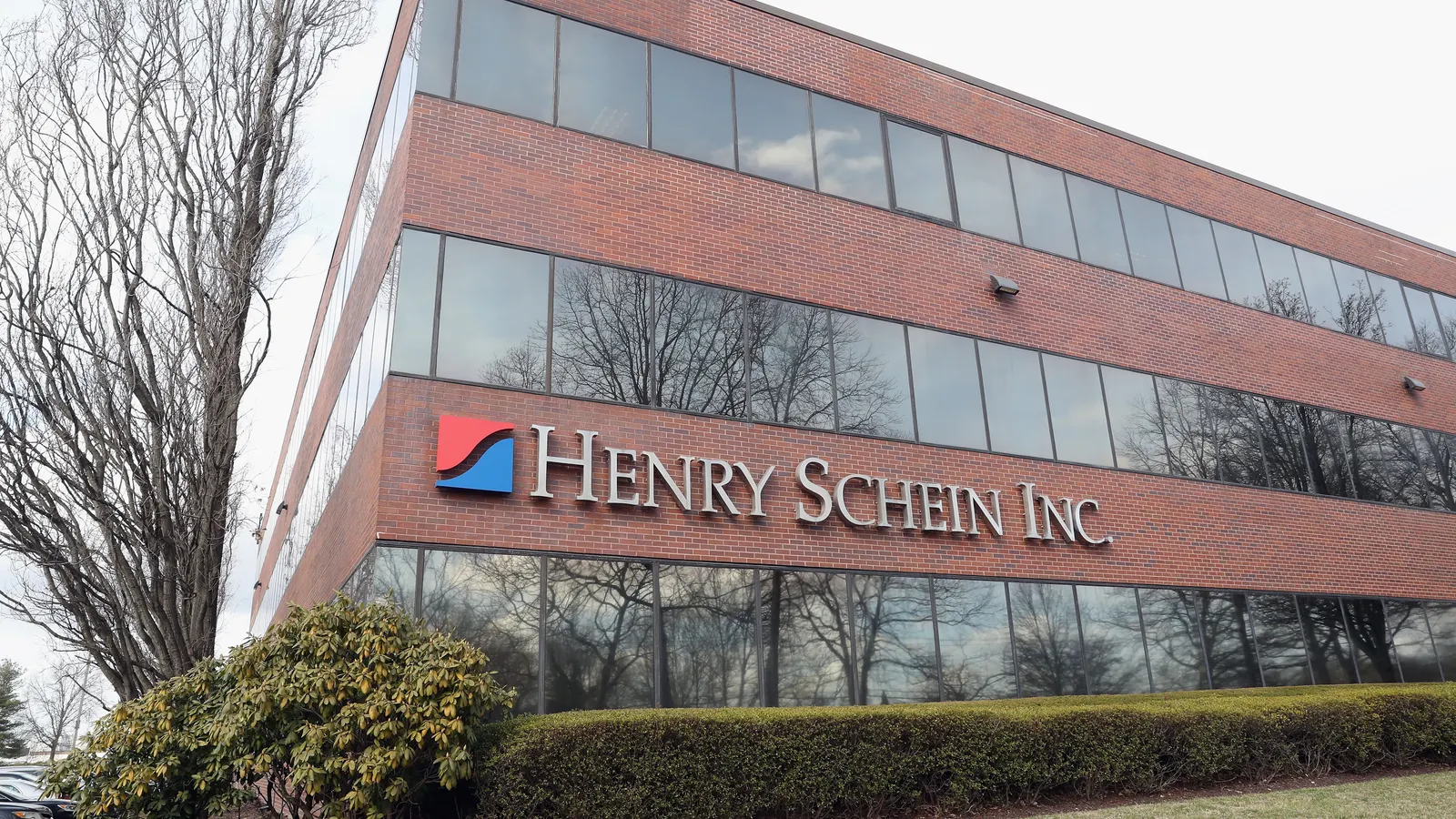
In a decisive move signaling a departure from decades of established corporate culture, Henry Schein—the global titan in dental and medical supply distribution—has initiated a sweeping executive-level reorganization. This structural pivot, orchestrated by newly appointed CEO Frederick “Fred” Lowery, represents the most significant leadership transition at the Melville, New York-based firm since its inception.
As the company navigates a shifting landscape in healthcare procurement and distribution, this restructuring serves as a clear indicator of Lowery’s mandate: to break from the “traditional ways of doing business” and steer the $13 billion enterprise toward a more agile, operationally efficient future. With the backing of key strategic partners and a refreshed board, the company is positioning itself to capture significant margin improvements and modernize its response to an increasingly digital and competitive global market.
Chronology of Transformation: From Bergman to Lowery
The current metamorphosis at Henry Schein is not an isolated event but the culmination of a deliberate, multi-year strategic transition.
The End of an Era
For 35 years, Henry Schein was defined by the leadership of Stanley Bergman. As the architect of the company’s massive growth, Bergman’s tenure established the firm as the premier supplier to dental and medical offices worldwide. However, as the industry evolved, the company faced pressure to modernize its operational framework.
The Leadership Handover
In March 2026, the company officially entered a new chapter as Frederick Lowery, formerly a high-ranking executive at Thermo Fisher Scientific—where he led the laboratory products and bioproduction division—assumed the role of CEO. His arrival marked the end of the Bergman era, signaling to investors that the company was prioritizing fresh perspectives and operational rigor.
Boardroom Evolution
The transition was solidified in May 2026 when Bergman retired as chairman. In a move reflecting the company’s new strategic alignment, the board elected William “Dan” Daniel as the independent chairman. Daniel, a veteran executive formerly of Danaher, brought a reputation for driving operational excellence. His appointment was intrinsically linked to a $250 million strategic investment by private equity firm KKR, which also saw KKR partner Max Lin secure a seat on the board.
Supporting Data: Financial Targets and Operational Goals
Henry Schein’s reorganization is not merely cosmetic; it is fundamentally tethered to rigorous financial performance targets. The company’s partnership with KKR is explicitly designed to unlock shareholder value through a transformation of its operating model.
- The KKR Catalyst: The $250 million investment in 2025 served as a springboard for the current organizational changes.
- Operating Income Targets: Central to the new strategy is a commitment to improve operating income by over $200 million within the next few years. This goal is contingent upon streamlining administrative overhead and optimizing the supply chain—areas where Lowery’s experience at Thermo Fisher is expected to prove invaluable.
- Scale and Market Reach: With annual sales exceeding $13 billion, even incremental improvements in operational efficiency yield massive bottom-line benefits. The company serves as the backbone of the dental and medical supply chain, and its ability to scale these improvements will be closely scrutinized by analysts in the coming quarters.
Analysis: The "Lowery Doctrine"
Evercore ISI analyst Elizabeth Anderson has been a vocal proponent of the changes, framing the reorganization as a necessary evolution for a company of Henry Schein’s size. In a recent note to clients, Anderson observed that Lowery is clearly "not bound by traditional ways of doing business."
Breaking the Legacy Mold
For decades, Henry Schein functioned under a centralized, legacy-focused management structure. By creating a new leadership team, Lowery is effectively dismantling the silos that historically impeded rapid decision-making. The "Lowery Doctrine" appears to prioritize:
- Agility: Reducing the time between market signals and operational responses.
- External Talent: Integrating leaders with diverse backgrounds in bioproduction and high-tech medical distribution.
- Efficiency: Moving away from broad-based service models toward targeted, high-margin product distribution.
The Role of Private Equity
The involvement of KKR provides Henry Schein with both capital and a "disciplined ownership" mindset. Unlike traditional corporate growth strategies, which often prioritize revenue at all costs, the KKR-influenced model focuses on the quality of earnings. By placing Dan Daniel—a former Danaher leader known for the "Danaher Business System"—at the helm of the board, the company is importing a culture of Lean manufacturing and operational discipline into the healthcare distribution space.
Official Responses and Stakeholder Sentiment
The market has reacted with cautious optimism. While investors are generally wary of large-scale reorganizations—which can cause short-term disruption—the consensus is that Henry Schein needed a catalyst to reignite growth.
The Analyst Perspective
Analysts point out that the departure of long-standing executives is a high-stakes gamble. However, the appointment of a CEO from a competitor like Thermo Fisher suggests that Henry Schein is benchmarking itself against the industry’s top performers in terms of operational precision. The market is currently waiting for tangible results to follow the administrative changes.
The Internal Outlook
Internally, the shift is described as a "cultural reset." Employees are navigating the integration of new reporting lines and a renewed focus on quarterly performance benchmarks. The upcoming earnings call, scheduled for Tuesday, will serve as the first major public test of the new management team’s ability to articulate this vision to shareholders.
Implications: The Road Ahead
The implications of this reorganization extend far beyond the executive suite in Melville.
Competitive Positioning
If successful, the new structure will allow Henry Schein to lower its cost-to-serve, potentially allowing it to undercut competitors or reinvest capital into digital infrastructure—a critical need as dental and medical offices increasingly move their procurement to e-commerce platforms.
The "Go-Forward" Strategy
Lowery’s strategy for the "go-forward" basis is expected to emphasize:
- Technological Integration: Investing in digital tools to better serve the independent practitioner.
- Portfolio Rationalization: Moving away from low-margin business lines that do not align with the company’s core strengths.
- Margin Expansion: Utilizing the $200 million income improvement target to return value to shareholders and fund future M&A activity.
A New Standard for Healthcare Distribution
The broader healthcare sector is watching this transition closely. Henry Schein is a bellwether for the industry; if a company with such a long-standing, conservative history can successfully pivot to a more aggressive, private-equity-backed model, it may trigger a wave of similar reorganizations across the medical supply chain.
Conclusion
As Henry Schein prepares for its second-quarter earnings report, the narrative is no longer about the stability of the Bergman era, but about the ambition of the Lowery era. The company is in the midst of a rigorous transformation, defined by a new leadership team, the influence of KKR’s operational discipline, and a clear, data-driven mandate to improve its margins.
The task ahead for Lowery is significant: he must maintain the company’s dominant market position while simultaneously stripping away the inefficiencies of a 35-year-old operational model. Whether this reorganization results in a leaner, more profitable, and more innovative Henry Schein remains to be seen, but one thing is certain: the company is no longer content with the status quo. The coming quarters will determine if this structural evolution translates into the long-term, sustainable growth that investors and the healthcare industry have been waiting for.