









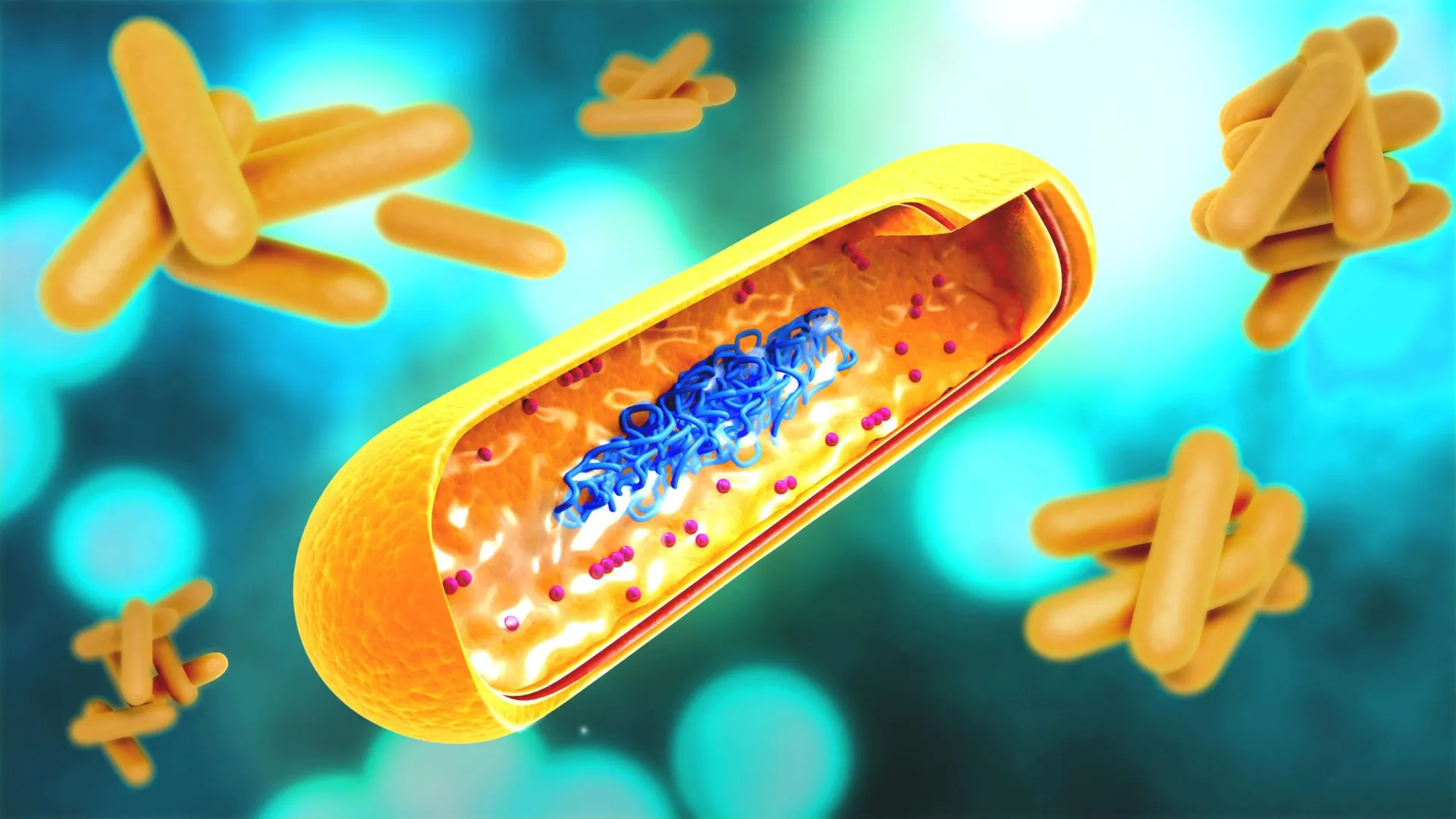
Tuberculosis (TB) remains one of humanity’s most persistent and formidable adversaries. Despite millennia of coexistence, the pathogen Mycobacterium tuberculosis continues to claim over a million lives annually, evolving to survive both our best antibiotics and our natural immune defenses. However, a significant breakthrough from researchers at Johns Hopkins Medicine and the Johns Hopkins Bloomberg School of Public Health offers a new weapon in this ancient fight: an experimental, intranasally delivered DNA vaccine designed to hunt down the "persister" bacteria that drive disease relapse and treatment failure.
The findings, recently published in the Journal of Clinical Investigation, represent a shift in strategy from purely antibiotic-based treatments to a dual-pronged approach that combines conventional drugs with targeted immunotherapy. By training the immune system to recognize and eliminate dormant TB bacteria, this new vaccine could revolutionize how we manage one of the world’s most stubborn infectious diseases.
The Shadow of a 6,000-Year-Old Epidemic
To understand the gravity of this development, one must look at the historical and clinical burden of tuberculosis. Afflicting humans for at least 6,000 years, TB is not a disease of the past; it is a defining health crisis of the present.
Data from the World Health Organization (WHO) paint a stark picture: approximately 25% of the global population—roughly 2 billion people—harbor latent TB infections. While these individuals may remain asymptomatic for years, the bacteria are merely waiting for a moment of immune weakness to reactivate. In 2024 alone, more than 10 million people developed active, symptomatic tuberculosis, leading to 1.2 million deaths. As it stands, TB remains the leading cause of death from a single infectious pathogen, outpacing many other high-profile diseases.
The primary obstacle to eradication has been the nature of the bacteria itself. Traditional antibiotic regimens are notoriously long—often lasting months—and are frequently difficult for patients to complete. This creates a "treatment gap" where bacteria, specifically those in a drug-tolerant state known as "persisters," survive the initial onslaught of medication. When treatment concludes, these survivors can reignite the infection, leading to a relapse that is often harder to treat and more likely to involve drug resistance.
The Mechanism: A Targeted Immune "GPS"
The new vaccine developed by the Johns Hopkins team operates on a sophisticated biological premise. According to Dr. Styliani Karanika, lead author and assistant professor at the Johns Hopkins University School of Medicine, the vaccine is designed to solve the problem of bacterial camouflage.
Fusing Genes for Maximum Impact
The vaccine combines two distinct genetic components: relMtb and Mip3α. The logic behind this fusion is a masterclass in synthetic immunology:
- The relMtb Target: TB bacteria utilize the relMtb gene to produce the RelMtb protein. This protein acts as a survival switch, allowing the microbe to enter a dormant, drug-tolerant state in response to low oxygen, nutrient limitation, or the presence of antibiotics. By targeting the protein that enables this survival, the vaccine forces the immune system to recognize the bacteria even when they are "hiding."
- The Mip3α Signal: This gene acts as a biological beacon. It produces a signal that actively recruits immature dendritic cells to the site of the vaccine. Dendritic cells are the "scouts" of the immune system; they capture foreign proteins and present them to T-cells, which are the "soldiers" that execute a targeted attack on the infection.
Intranasal Delivery: Striking at the Source
Rather than a traditional intramuscular injection, this vaccine is delivered through the nose. This is a deliberate tactical choice. TB infection occurs primarily in the respiratory tract, and by administering the vaccine intranasally, the researchers are focusing the immune response directly on the respiratory mucosa. This generates "localized" immunity within the airways and lungs—the exact front line of a TB infection—while simultaneously stimulating a systemic, body-wide immune response.
From Mouse Models to Primate Potential: A Chronology of Success
The development of the vaccine has followed a rigorous path of validation, transitioning from basic cellular theory to complex animal models.
- Initial Efficacy Studies: In mouse models, the vaccine demonstrated a clear ability to accelerate bacterial clearance. When administered in conjunction with standard first-line TB antibiotics, the vaccine significantly reduced lung inflammation and, crucially, prevented the relapse of disease once the antibiotic treatment was completed.
- Synergy with Multidrug Therapies: One of the most promising aspects of the study is the vaccine’s interaction with potent drugs like bedaquiline, pretomanid, and linezolid. Results showed that the vaccine enhanced the efficacy of these treatments, suggesting that it could be used as an adjuvant to treat multidrug-resistant (MDR) TB—a growing global health emergency.
- Nonhuman Primate Validation: Moving beyond mice, the team tested the vaccine in rhesus macaques. The results were highly encouraging. The vaccine generated durable, TB-specific immune responses in both the bloodstream and the airways of the primates. These responses were consistent with those observed in mice, suggesting the mechanism is likely to translate to the human immune system.
Furthermore, the immune response in the primates remained detectable for at least six months, indicating that the vaccine provides a long-lasting "memory" for the immune system, a critical requirement for any public health intervention.
Official Responses and Clinical Implications
The medical community has long called for "therapeutic vaccines" to complement existing antibiotic protocols. The WHO has emphasized that current monotherapy or even combination antibiotic therapy is insufficient to address the global burden of latent TB and the rising tide of drug resistance.
Dr. Karanika notes that the team’s data serves as an "important translational bridge." While the primate studies focused on immune activation rather than direct challenge with TB infection, the durability and strength of the response provide a clear roadmap for future human clinical trials.
A Paradigm Shift in Treatment
The researchers advocate for a change in philosophy: instead of relying exclusively on antibiotics to kill actively growing bacteria, clinicians should utilize immunotherapy to dismantle the bacterial defenses that lead to persistence.
"Administered together with first-line TB drug therapy, our intranasal DNA fusion vaccine helped infected mice clear the disease bacteria faster," Dr. Karanika explained. This dual-therapy approach could potentially shorten the months-long treatment regimens that lead to high dropout rates, ultimately improving patient outcomes and slowing the spread of resistant strains.
Furthermore, because DNA vaccines are inherently stable and can be manufactured with relative efficiency compared to other biological agents, this approach offers a practical, scalable solution for the regions most burdened by the disease—many of which are in low-resource settings where the cold-chain requirements of other vaccines can be a barrier.
Future Outlook and Ethical Considerations
While the results are undeniably promising, the road to clinical availability is lengthy. The Johns Hopkins team remains focused on the next phase of preclinical work required to satisfy safety and efficacy benchmarks for human trials. The team—which included an extensive list of researchers spanning medicine, immunology, and public health—is already looking toward the translational hurdles ahead.
The project is backed by a robust network of funding, including the National Institutes of Health (NIH), the Gilead HIV Research Scholar Award, and the Johns Hopkins University Tuberculosis Research Advancement Center. Such significant investment reflects the high priority placed on TB research by global health stakeholders.
As the team prepares for the next stages of development, they have also demonstrated transparency by disclosing their intellectual property interests. Dr. Karanika, along with colleagues James Gordy, Richard Markham, and Petros Karakousis, are listed as inventors on patent PCT/US2023/065584 for the Mip3α/relMtb vaccine. This legal framework will be essential in facilitating the eventual partnership with pharmaceutical entities necessary to scale the production of the vaccine for global use.
The Path Forward
The success of this vaccine in the lab is a testament to the power of modern molecular biology. By understanding the "dormant" state of the TB bacteria, researchers have moved from a reactive strategy to a proactive one. If human trials mirror the success seen in animal models, the Mip3α/relMtb vaccine could eventually join the ranks of essential medicines, providing a shield against the "persisters" that have allowed tuberculosis to persist in the human population for far too long.
For now, the global health community watches with cautious optimism. Tuberculosis has proven to be a difficult enemy to outmaneuver, but with the advent of mucosal immunotherapy, the scales of this 6,000-year-old war may finally be tipping in favor of the host.