








Main Facts: The Scope of the Recall
Medical technology giant Becton, Dickinson and Company (BD) has issued an urgent field safety notice, instructing healthcare providers worldwide to immediately identify and destroy specific lots of its intraosseous (IO) infusion needles. The recall, triggered by reports of mechanical defects that impede the device’s functionality, represents a significant concern for emergency medical services and critical care units that rely on rapid vascular access during life-threatening situations.
The defect centers on the interaction between the stylet and the needle assembly. According to technical reports, incorrect manufacturing dimensions in certain units can cause the obturator and the needle to rotate and lock prematurely. This mechanical failure renders the device unusable, forcing clinicians to abandon the attempted insertion and seek alternative vascular access methods.
BD has confirmed that the affected products were manufactured between September 2024 and June 2026. While the company has implemented corrective measures—including manufacturing process updates and revised labeling—the immediate priority remains the removal of all compromised stock from clinical environments.
Chronology: From Initial Reports to Global Action
The progression of this safety issue follows a trajectory common to medical device recalls, moving from isolated user complaints to a comprehensive regulatory intervention.
Early Detection and User Complaints
The issue first surfaced through a combination of post-market surveillance mechanisms. BD’s internal quality assurance teams began receiving reports from field clinicians indicating that the stylet—a critical component used to stiffen the needle for insertion into the bone marrow—was proving difficult, if not impossible, to remove. In clinical practice, the stylet must be withdrawn immediately after the needle reaches the marrow space to allow for the infusion of fluids or medications. When the mechanism locks, the device becomes a "dead" needle, causing an immediate procedural failure.
Validation and Internal Investigation
Following the receipt of these complaints, BD initiated an extensive investigation, which included bench testing and clinical observations. Engineers simulated the rotation and locking phenomenon under various pressure and force conditions, confirming that specific manufacturing tolerances were leading to an interface error between the obturator and the needle cannula.
The July 30 Notification
On July 30, BD formally escalated the issue by issuing a direct communication to its customer base. The letter provided explicit instructions: clinicians were not merely asked to return the products, but to actively identify, segregate, and destroy the affected units to ensure they could not be inadvertently used in high-acuity scenarios.
FDA Involvement
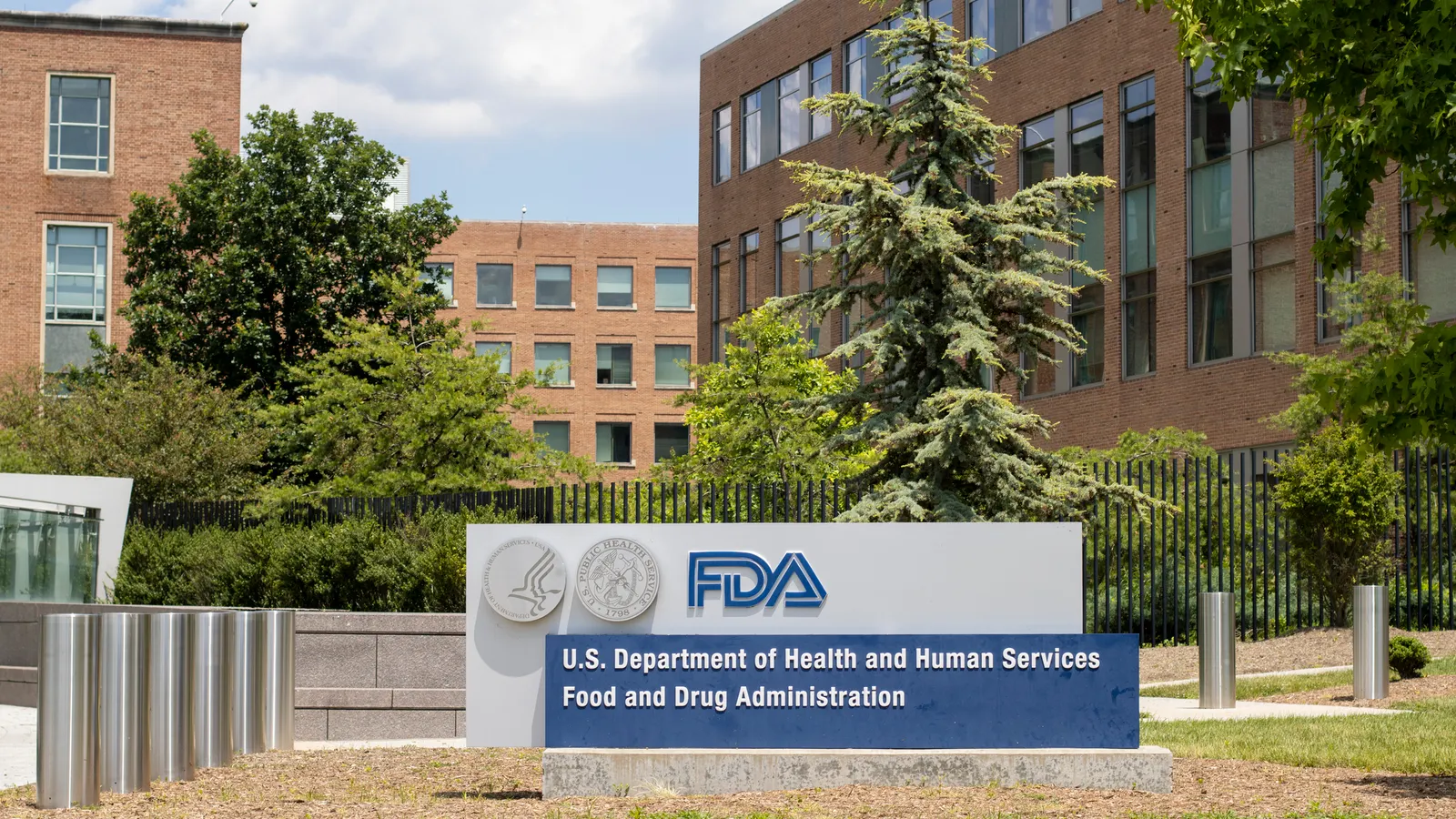
The U.S. Food and Drug Administration (FDA) has officially entered the process, categorizing the recall and overseeing the company’s remediation efforts. The regulatory body is currently conducting its own review of the root cause analysis provided by BD to determine if the manufacturing improvements are sufficient to prevent future recurrences.
Supporting Data: The Mechanics of Failure
To understand the severity of this recall, one must examine the specific engineering flaw identified by BD. Intraosseous infusion is a technique used primarily when intravenous (IV) access is unattainable. It involves drilling a needle into the bone—usually the tibia or humerus—to access the rich marrow vasculature.
The Dimensional Mismatch
The failure occurs at the interface where the stylet (the solid metal core) meets the needle (the hollow outer tube). The internal data suggests that "incorrect dimensions" in the manufacturing process—likely a deviation in the diameter or the locking lug geometry—create a friction-fit that is unintended. Under the pressure of insertion, these parts undergo micro-deformations that cause them to lock together.
Quantitative Impact
While BD has not released the exact number of units recalled, the manufacturing window of nearly two years (September 2024 to June 2026) suggests a massive distribution footprint. The "bench testing" data cited by the company indicates that the failure rate in the affected lots was high enough to reach the threshold for a mandatory field action. In a clinical setting, even a 1% failure rate for a life-saving device is considered unacceptable, as the failure occurs at the most critical moment of patient care.
Official Responses: BD and the FDA
BD’s Stance on Remediation
In its formal statements, Becton, Dickinson has adopted a posture of transparency and proactive correction. The company maintains that it has identified the "root cause" of the dimensional errors. By refining the machining process and updating the quality control parameters for the obturator assembly, BD claims to have eliminated the risk for all products manufactured outside of the identified window. Furthermore, the company has updated its labeling to provide clearer instructions on the "feel" and removal process of the stylet, providing clinicians with earlier warning signs if a device is nearing a locking threshold.
The FDA’s Regulatory Oversight
The FDA remains in an information-gathering and monitoring phase. As the primary regulator, the agency’s role is to ensure that the "destruction" protocol is carried out effectively across hospitals, EMS agencies, and outpatient clinics. An FDA spokesperson indicated that the agency is reviewing the company’s corrective and preventive actions (CAPA) plan. The public has been assured that any new information—specifically regarding potential patient injuries or additional affected lots—will be disseminated via the FDA’s MedWatch program and official safety alerts.
Implications: The High-Stakes Environment of Vascular Access
The implications of this recall extend far beyond the logistical challenge of inventory management; they strike at the heart of emergency medicine.
Risks to Critically Ill Patients
The primary concern, as articulated by both BD and the FDA, is the impact on patients in cardiac arrest, severe trauma, or hemorrhagic shock. In these "time-is-brain" or "time-is-tissue" scenarios, the first 60 seconds are vital. If a clinician attempts to use an IO needle and it locks, the subsequent delay required to grab a second device or switch to a surgical venous cutdown can be fatal. The loss of a few minutes during a cardiac arrest protocol can significantly reduce the likelihood of a successful resuscitation.
The Burden on Clinical Staff
Clinicians, particularly paramedics and ER nurses, often operate in high-stress, low-light, and chaotic environments. A device failure in this context creates cognitive overload. Staff are trained to troubleshoot, but a mechanical failure that requires the total abandonment of a procedure forces a "re-set" of the entire clinical plan. This recall places an administrative burden on hospitals to audit their inventory while simultaneously ensuring that their remaining stock is verified as "safe."
Supply Chain and Market Stability
Because BD is a dominant player in the global vascular access market, this recall may cause temporary supply chain strain. Hospitals that relied heavily on BD’s specific IO needle design may be forced to switch to alternative brands or legacy stock, which requires additional training for staff. The medical community is now bracing for a potential period of scarcity as the manufacturer attempts to replace the millions of units currently marked for destruction.
Long-Term Clinical Confidence
Trust in medical devices is paramount. When a company issues a recall of this magnitude, there is often a period of heightened skepticism among medical directors and purchasing boards. BD will likely face increased scrutiny in the coming months regarding its manufacturing quality systems. The long-term impact on the company’s reputation will depend on the effectiveness of its communication and the speed at which it can restore supply chain stability without further incidents.
Conclusion: A Call for Vigilance
For the healthcare sector, the BD needle recall serves as a sobering reminder of the dependency of human life on precise manufacturing. As hospitals continue to purge their cabinets of the affected lots, the focus must shift to rigorous inspection and the importance of having redundant, secondary access plans in place. While BD has taken responsibility and corrected the root cause, the medical community must remain vigilant, treating every piece of medical equipment—even those from the most trusted manufacturers—with the scrutiny required to protect the most vulnerable patients.
The FDA continues to monitor the situation, and healthcare facilities are urged to visit the BD recall portal to cross-reference their lot numbers. In the world of critical care, there is no margin for error, and the swift execution of this recall is a necessary step in maintaining the safety standards upon which the medical system depends.