Pancreatic cancer has long been considered one of the most formidable adversaries in oncology. Characterized by its rapid progression and an uncanny ability to withstand conventional therapies, the disease often leaves patients and physicians with limited options. However, a groundbreaking clinical trial, conducted by researchers at the Dana-Farber Cancer Institute and rooted in foundational discoveries at the Salk Institute, has unveiled a novel therapeutic strategy: rather than attacking the tumor directly, this approach seeks to dismantle the protective "fortress" that surrounds it.
By utilizing a vitamin D analog—paricalcitol—to reprogram the tumor’s microenvironment, scientists have demonstrated that they can potentially strip away the defenses that keep chemotherapy at bay. The results, recently published in the journal Nature Cancer, suggest a new paradigm in cancer care that prioritizes the structural remodeling of tumor-supporting tissue.
The Main Facts: A Dual-Action Strategy
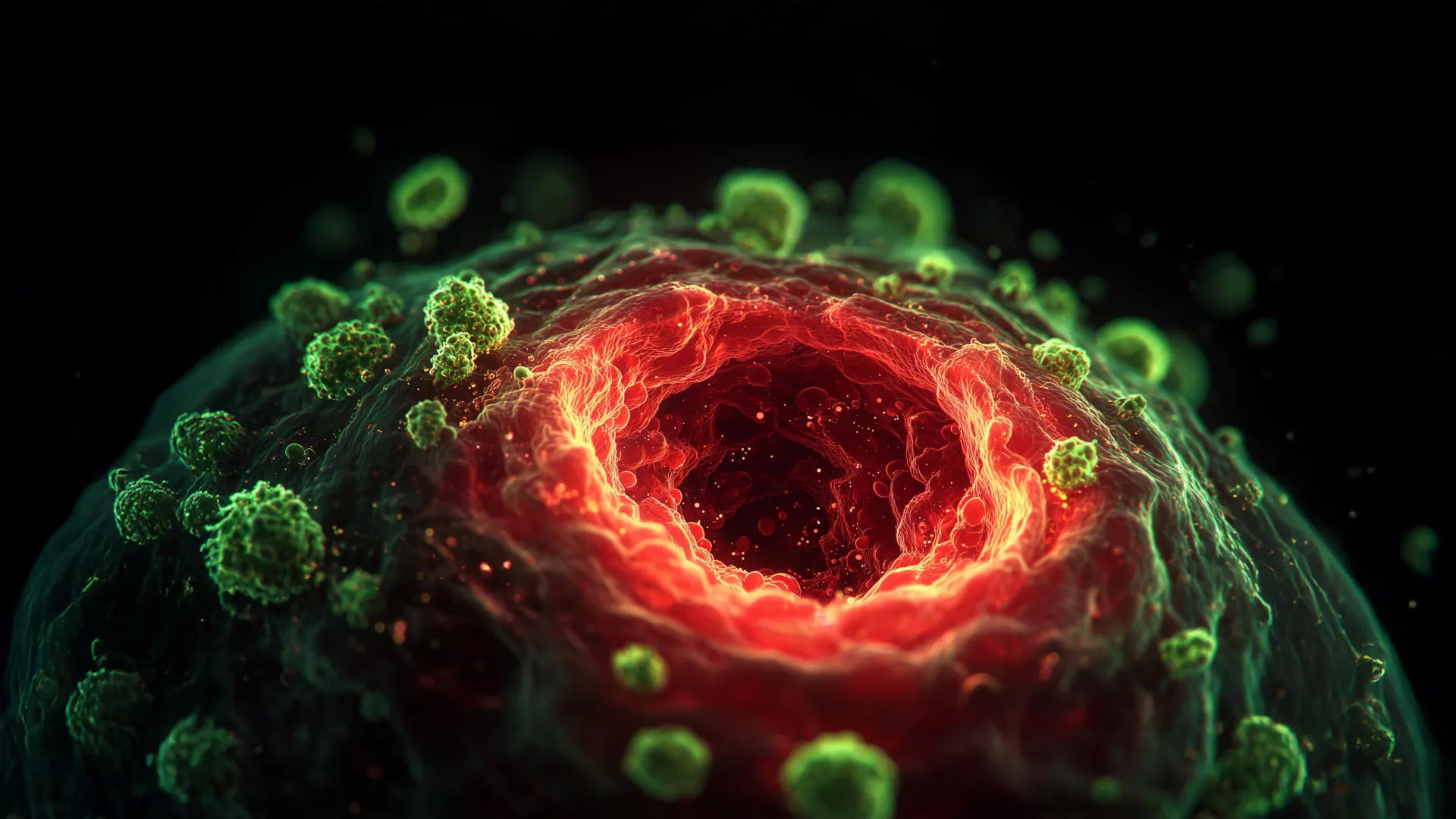
The core premise of the study centers on the "stroma," a dense, fibrotic shell of connective tissue that envelops pancreatic tumors. This stroma acts as a physical barrier, preventing chemotherapeutic agents from penetrating the cancer cells, while simultaneously creating an immunosuppressive climate that keeps the body’s natural defenders—T cells—at bay.
The researchers hypothesized that by activating the vitamin D receptor (VDR) within these fibrotic cells, they could "reprogram" the stroma. The study tested this hypothesis on 36 patients with previously untreated metastatic pancreatic cancer. Participants were administered standard chemotherapy (gemcitabine plus nab-paclitaxel) either alone or in combination with paricalcitol, an FDA-approved drug currently used to treat secondary hyperparathyroidism in patients with chronic kidney disease.
The findings were striking: the drug was not only safe when combined with chemotherapy, but it also induced measurable biological changes within the tumors, effectively reducing the activation of fibroblasts—the cells responsible for the tumor’s protective density—and opening a gateway for immune cells to infiltrate the cancer site.
Chronology of Discovery: From Molecular Biology to Clinical Trials
The journey toward this clinical milestone began years ago in the laboratory of Ronald Evans, PhD, at the Salk Institute.
The Nuclear Receptor Breakthrough
Dr. Evans, a pioneer in the study of the nuclear receptor superfamily, identified these receptors as the primary gatekeepers of cellular behavior. These molecules function as biological switches, responding to hormones, vitamins, and lipids to toggle gene expression on or off. With approximately 13% of all FDA-approved drugs targeting these receptors, the potential for therapeutic intervention was immense.
Preclinical Foundation
In earlier preclinical models, Evans and his team discovered that the VDR plays a critical role in regulating fibroblasts in the liver and pancreas. They observed that these cells possess high levels of the vitamin D receptor, which helps maintain tissue health. Crucially, the team discovered that synthetic vitamin D analogs—designed to withstand the natural metabolic degradation of standard vitamin D—could effectively reverse fibrosis in animal models. When applied to pancreatic cancer models, these analogs did more than just soften the tumor’s exterior; they significantly sensitized the cancer cells to chemotherapy.
Translating to the Clinic
Recognizing the potential for a clinical application, Evans collaborated with Drs. Brian Wolpin and Kimberly Perez at the Dana-Farber Cancer Institute. Their collaborative effort culminated in the phase 1/2 clinical trial, which aimed to validate whether the laboratory success seen in Salk’s experiments would translate into human patient outcomes.
Supporting Data: Evidence of Efficacy
The clinical trial was primarily designed as a safety study, yet the secondary observations regarding efficacy provided "encouraging signals" that warrant further investigation.
Remodeling the Microenvironment
Using advanced multiplex immunofluorescence and spatial transcriptomic techniques, researchers analyzed tumor biopsies taken before and after four to six weeks of treatment. The data confirmed that paricalcitol successfully inhibited fibroblast activation. Furthermore, the treatment led to an increased infiltration of T cells into the tumor microenvironment. This transformation effectively rendered the tumor more vulnerable to the cytotoxic effects of chemotherapy.
Clinical Outcomes
The statistical contrast between the control group and the treatment group was notable:
- Partial Response: 42% of patients receiving paricalcitol (10 out of 24) showed a partial response to treatment, compared to only 9% (1 out of 12) in the placebo group.
- Progression-Free Survival: Five patients in the paricalcitol cohort remained free of disease progression at the one-year mark, whereas zero patients in the placebo group achieved this milestone.
- The VDR Link: Perhaps most significantly, the researchers discovered that the baseline levels of the vitamin D receptor in a patient’s tumor correlated with their outcome. Those with higher levels of VDR experienced better responses to chemotherapy and longer overall survival, suggesting that VDR levels could eventually serve as a predictive biomarker for patient selection.
Official Perspectives: The Experts Speak
The clinical implications of this research are viewed as a significant leap forward by the lead investigators.
"This study really takes a novel approach for cracking therapeutic resistance in pancreatic cancer," says Ronald Evans. "By using vitamin D analogs to engage the body’s own natural system for dampening fibrotic and inflammatory responses, we can enable other therapies to do their job."
Dr. Kimberly Perez of Dana-Farber echoes this sentiment, framing the trial as a bridge between fundamental science and clinical standards. "This study is an important step forward for the use of a vitamin D analog as a stromal remodeling therapy," Perez noted. "It was built upon foundational basic research at the Salk Institute, validates those preclinical findings in patients, and provides a road map for future studies that could someday establish a new treatment standard."
Implications for the Future of Cancer Care
The success of this small trial introduces a paradigm shift: the concept of "stromal remodeling." Traditionally, oncology has focused on the "seed"—the cancer cell itself. This research suggests that focusing on the "soil"—the microenvironment surrounding the cancer—is equally, if not more, critical to achieving durable clinical responses.
Challenges and Next Steps
Despite the optimism, the researchers acknowledge that the trial was small and that the path to a standard-of-care change is long. One specific hurdle encountered during the study was the management of hypercalcemia (elevated calcium levels in the blood), which occurred in five of the 12 patients receiving oral paricalcitol. However, this was effectively managed through dose adjustments, suggesting that the side effect is a manageable trade-off for the drug’s therapeutic benefits.
The Path to Phase III
The primary requirement moving forward is a larger, randomized, multi-center phase III clinical trial. Such a study will be tasked with:
- Validating Survival: Determining if the "encouraging signals" observed in this trial translate into a statistically significant improvement in overall survival.
- Biomarker Refinement: Refining the use of VDR levels as a diagnostic tool to identify which patients will derive the most benefit from the treatment.
- Broadening the Scope: Exploring whether this approach can be combined with immunotherapy or other emerging classes of cancer drugs to further boost the immune system’s ability to eradicate metastatic cells.
Conclusion: A New Horizon
The marriage of molecular biology and clinical oncology exemplified by this study offers a glimmer of hope for a disease that has long resisted conventional wisdom. By treating the tumor’s environment as a malleable structure rather than an immovable obstacle, researchers have opened a new door. If these findings are replicated in larger cohorts, the use of vitamin D analogs could soon become a vital component of the pancreatic cancer treatment toolkit, turning a once-impenetrable wall into a point of entry for life-saving therapies.