







As we navigate the second half of life, the metrics by which we measure our health often shift from peak athletic performance to the preservation of functional independence. Among the myriad of fitness assessments available to those over 50, one remains deceptively simple yet profoundly revealing: the isometric squat hold.
A squat hold is an exercise of pure honesty. You sink into a seated position, find your depth, and let the clock run. At first, the tension feels manageable, even steady. But as the seconds tick by, the reality of the movement sets in: your quads begin to tremor, your breathing becomes intentional, and your body demands that you remain calm under significant physiological stress. Beyond the burn, this simple hold serves as a diagnostic tool for your lower-body integrity, balance, and muscular endurance.
The Science of Isometric Tension
The efficacy of the squat hold is rooted in isometric exercise—a form of training where the muscle length remains constant while the muscle itself is under tension. Unlike dynamic movements like running or standard squats, where muscles move through a full range of motion, the isometric hold forces the muscle fibers to maintain a continuous, high-level recruitment pattern.
Research indicates that this type of work is critical for functional longevity. When you hold a squat, you are training your body in a position that mimics daily life: transitioning from a chair, navigating a flight of stairs, or lowering yourself to the ground to play with grandchildren. By eliminating momentum, the squat hold forces your quads, glutes, and hips to do the work in isolation, teaching your legs to stay engaged without the "cheating" mechanisms often used in high-velocity movements.
Chronology: Building Toward the Hold
For those approaching or already over the age of 50, the journey toward a proficient squat hold should be approached as a progressive endeavor.
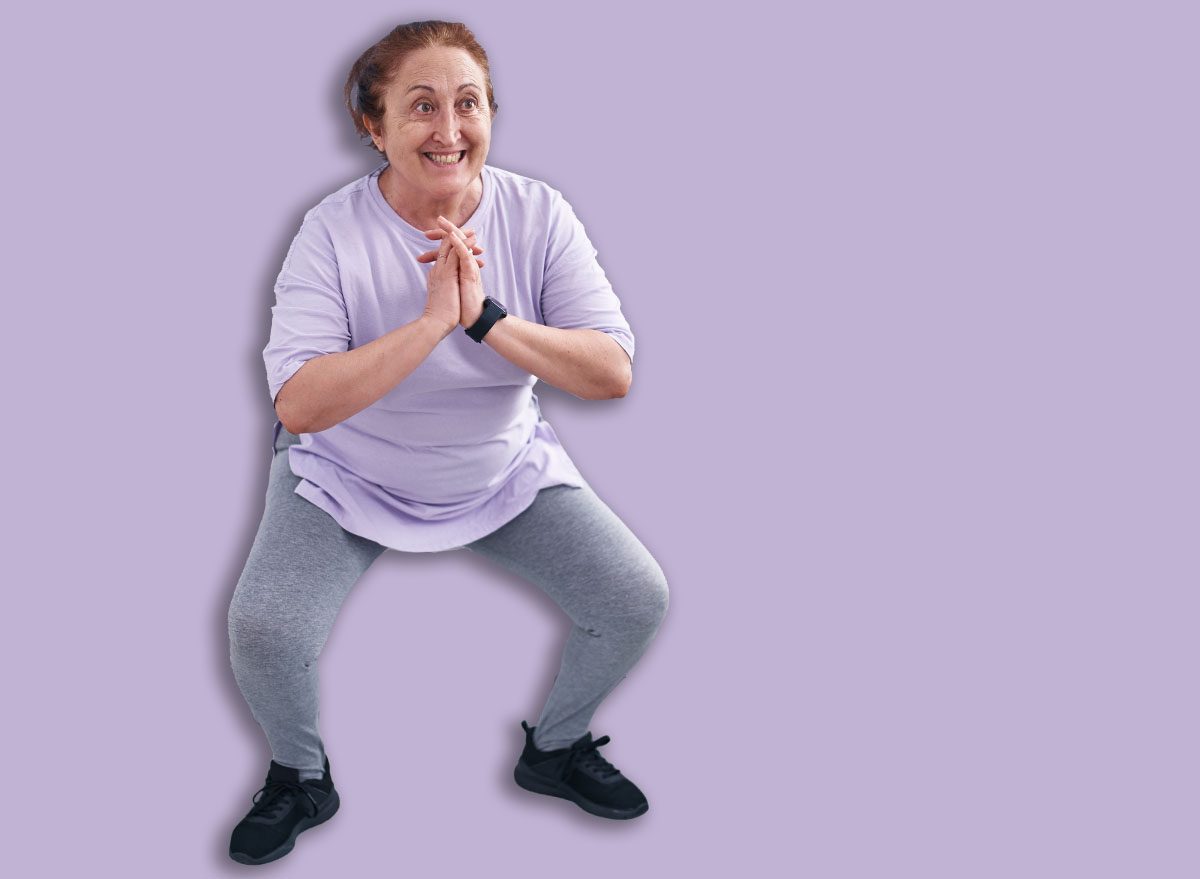
- The Foundation Phase (Weeks 1–4): Focus entirely on mechanics. Utilize wall-assisted squats or box squats to ensure your knees track properly and your torso remains upright. The goal here is not time, but positional integrity.
- The Stability Phase (Weeks 5–8): Begin practicing unassisted holds, but cap them at 20–30 seconds. Your objective is to eliminate "wobble" and ensure your weight remains evenly distributed across your feet—avoiding the tendency to rock onto the toes or heels.
- The Endurance Phase (Weeks 9+): Now that the posture is solidified, begin extending the duration. This is where you introduce the "mind-body" element, focusing on rhythmic, steady breathing despite the rising fatigue in the lower extremities.
Supporting Data: What Your Time Means
The squat hold is a clear barometer for your current physical baseline. It is essential to remember that a "true" hold ends the moment your form breaks—whether that means your hips rising, your chest collapsing forward, or your heels lifting off the floor.
- 0–20 Seconds (The Entry Level): If you find your legs fatiguing quickly, you are in the "foundation" stage. This is a common starting point for those who have been sedentary. Focus on finding a depth that you can control with perfect posture. Short, high-quality holds are far more beneficial than long, sloppy ones.
- 21–45 Seconds (The Functional Baseline): At this level, your legs demonstrate the necessary support for daily movement. You likely possess enough strength to navigate stairs comfortably and transition from seated positions without assistance.
- 46–75 Seconds (The Conditioning Level): This range indicates that your quads and glutes have developed the muscular endurance required to maintain force over time. You likely possess solid hip and knee stability, which is vital for preventing injuries during activities like long walks or gardening.
- 75+ Seconds (The Elite Senior Tier): Achieving a clean hold beyond 75 seconds after the age of 50 is an indicator of exceptional physical conditioning. It signifies that your musculoskeletal system is well-integrated, your core is capable of supporting an upright torso, and your ankles and hips possess the mobility to sustain deep, loaded positions.
Implications for Aging and Mobility
The implications of a strong squat hold extend far beyond the gym. A study published in the Journal of Geriatric Physical Therapy highlights that the ability to control one’s body weight in a deep squat position is highly correlated with a reduced risk of falls.
When you lose the ability to maintain a squat, you essentially lose the ability to control your center of gravity during low-level movements. By training the squat hold, you are not just building "leg muscles"—you are building a "safety net." Should you trip or lose your balance, a strong set of legs with high endurance will be the difference between a stumble and a fall. Furthermore, the mobility required to maintain the hold keeps the joints lubricated and the connective tissues supple, mitigating the stiffness often associated with aging.
Expert Guidance: How to Perform a Proper Hold
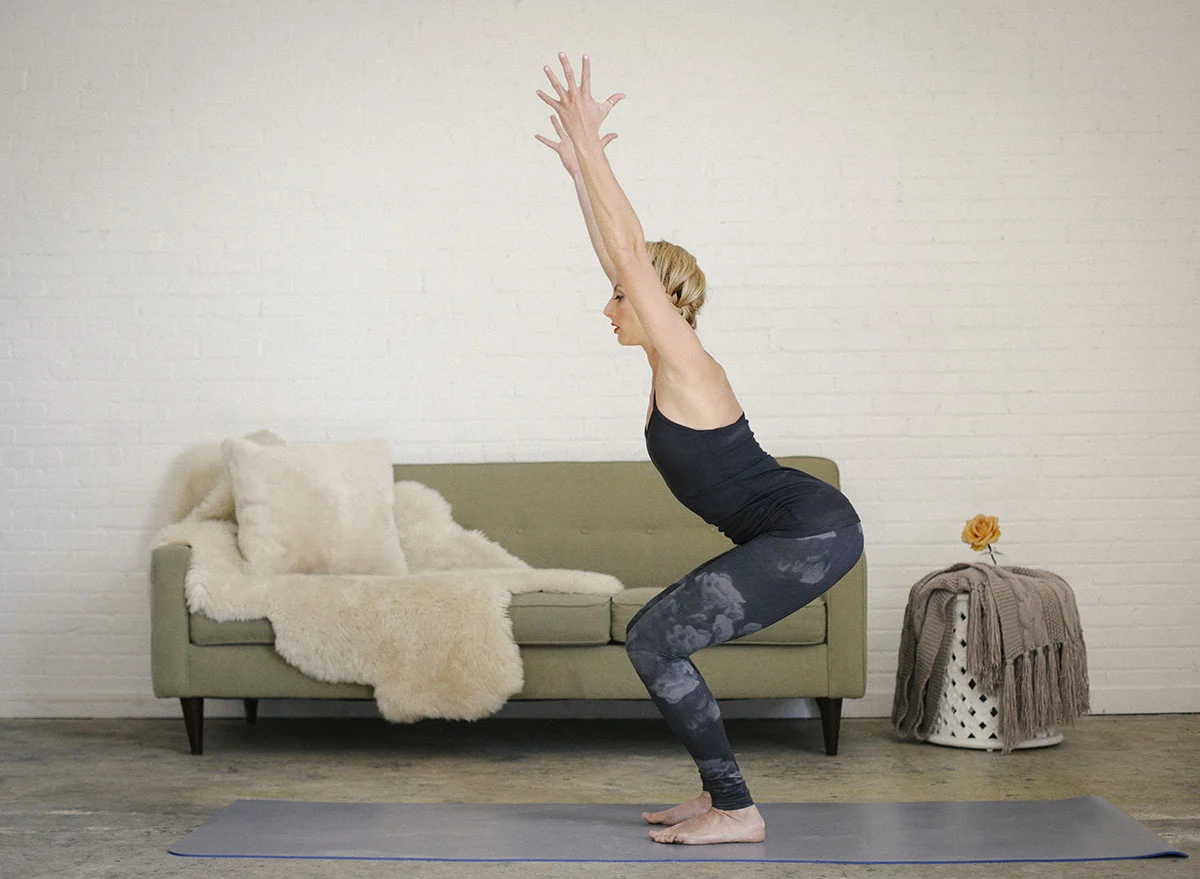
A successful squat hold is defined by three pillars: Depth, Posture, and Tension.
How to Perform:
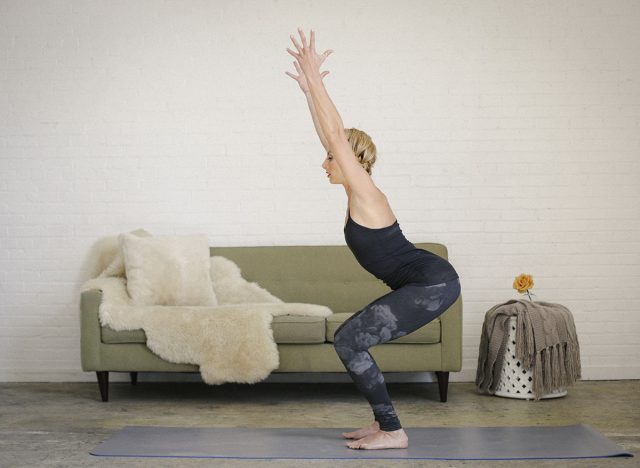
- Stance: Stand with your feet shoulder-width apart, toes pointed slightly outward.
- The Descent: Lower your hips down and back, as if sitting into an invisible chair. Keep your chest up and your gaze forward.
- The Position: Aim for a depth where your thighs are at least parallel to the floor.
- The Hold: Keep your weight distributed across your entire foot. Do not allow your knees to cave inward. Maintain a neutral spine.
- The Breath: This is the most common failure point. Do not hold your breath. Use deep, diaphragmatic breaths to oxygenate your muscles while they are under load.
Recommended Variations:
- Box Squat Hold: Great for beginners who need a tactile reference for depth.
- Goblet Squat Hold: Holding a light weight at your chest can help counterbalance your torso, allowing you to stay more upright.
- Wall-Assisted Hold: Excellent for those working on mobility; the wall provides feedback to keep your spine against a flat surface.
- TRX-Assisted Hold: Uses straps to take a percentage of your body weight off your legs, allowing for longer durations to build endurance.
Cultivating Longevity Through Consistent Practice
Improving your squat hold does not require a grueling daily routine. In fact, overtraining can lead to joint irritation. The most effective approach is to integrate "micro-dosing" of this movement into your daily life.
Instead of treating it as a once-a-week "test," incorporate two or three holds into your morning routine. Focus on the quality of the contraction. When the position begins to feel "comfortable," that is your signal to increase the time by 5 or 10 seconds.
As you progress, you will find that the physical benefits—increased stamina, improved posture, and a feeling of "groundedness"—will begin to manifest in other areas of your life. Whether it is the ease with which you stand up from a deep sofa or the confidence you feel while hiking uneven terrain, the squat hold serves as a daily reminder that your body is capable, adaptable, and strong.
In the final analysis, the squat hold is more than just a fitness metric; it is a commitment to your future self. By maintaining the strength to support your own weight, you are actively investing in your independence, ensuring that the years ahead are defined not by what you can no longer do, but by the physical freedom to pursue whatever you choose.
References
- Isometric Training and Its Role in Functional Longevity, National Center for Biotechnology Information (NCBI).
- Muscle Endurance and Aging, Clinical Investigations in Geriatric Physiology.
- Joint Mobility and Lower Body Mechanics in Adults Over 50, Sports Science Review.