









Obsessive-Compulsive Disorder (OCD) is a multifaceted mental health condition that profoundly impacts the lives of millions worldwide. Far beyond the colloquial use of the term—often misapplied to individuals who simply enjoy tidiness or organization—clinical OCD is a serious, often debilitating condition characterized by a cycle of intrusive, distressing thoughts and repetitive, ritualistic behaviors. For those living with the disorder, the relentless nature of these symptoms can create a profound disconnect from daily functioning, necessitating a nuanced understanding of its biological, psychological, and behavioral components.
Main Facts: Defining the Spectrum of OCD
At its core, OCD is defined by the presence of obsessions, compulsions, or both. Obsessions are recurrent and persistent thoughts, urges, or images that are experienced as intrusive and unwanted. Crucially, these thoughts are "ego-dystonic," meaning they are inconsistent with the individual’s true self-concept or values. Despite recognizing these thoughts as irrational or excessive, the individual feels a lack of control, leading to intense psychological distress.
Compulsions are the reactive behaviors or mental acts that follow these obsessions. They serve as an attempt to neutralize the anxiety or prevent a feared event from occurring. This cycle—the obsession causing anxiety, and the compulsion providing a fleeting sense of relief—is what sustains the disorder. To meet the clinical criteria for an OCD diagnosis, these symptoms must be time-consuming (typically occupying at least one hour of the day) and cause significant impairment in social, occupational, or other important areas of functioning.
Chronology: The Life Course of the Disorder
The trajectory of OCD is highly variable, though research has identified consistent patterns regarding its onset and progression.
Childhood and Adolescent Onset
Approximately one-third of adults who experience OCD report the onset of symptoms during childhood. In these cases, the disorder often emerges in a sub-clinical form, gradually intensifying until a formal diagnosis is reached, typically around the age of 19. Early identification is a significant focus of current psychiatric research, as early intervention can mitigate the long-term developmental impacts of the disorder.
The Adult Experience
For the millions of Americans affected by OCD—estimated at over 3 million annually—the disorder does not discriminate based on gender. While the severity of symptoms may wax and wane throughout an individual’s lifespan, there is a clear correlation between life stress and the intensity of the condition. High-stress periods can trigger an exacerbation of symptoms, while stable periods may allow for better management, though the underlying mechanisms of the disorder often remain present.

Supporting Data: The Biological and Environmental Landscape
While researchers have yet to identify a single, definitive "cause" of OCD, the current scientific consensus suggests that the disorder arises from a complex interaction of genetic, neurobiological, and environmental factors.
- Genetic Predisposition: Family studies have indicated that OCD has a hereditary component. Individuals with a first-degree relative who has the disorder are at a higher risk of developing it themselves.
- Neurobiological Factors: Advances in neuroimaging have revealed structural and functional differences in the brains of individuals with OCD, particularly in the cortico-striato-thalamo-cortical (CSTC) circuits, which govern the regulation of behavior and impulse control.
- Environmental Triggers: Traumatic events, significant life transitions, and chronic stress have been observed as potential catalysts for the manifestation or worsening of symptoms.
The prevalence of the disorder underscores its status as a significant public health issue. Because it affects individuals across all demographics, the medical community emphasizes that OCD is not a "choice" or a personality quirk, but a legitimate medical condition requiring professional care.
Official Responses and Clinical Perspectives
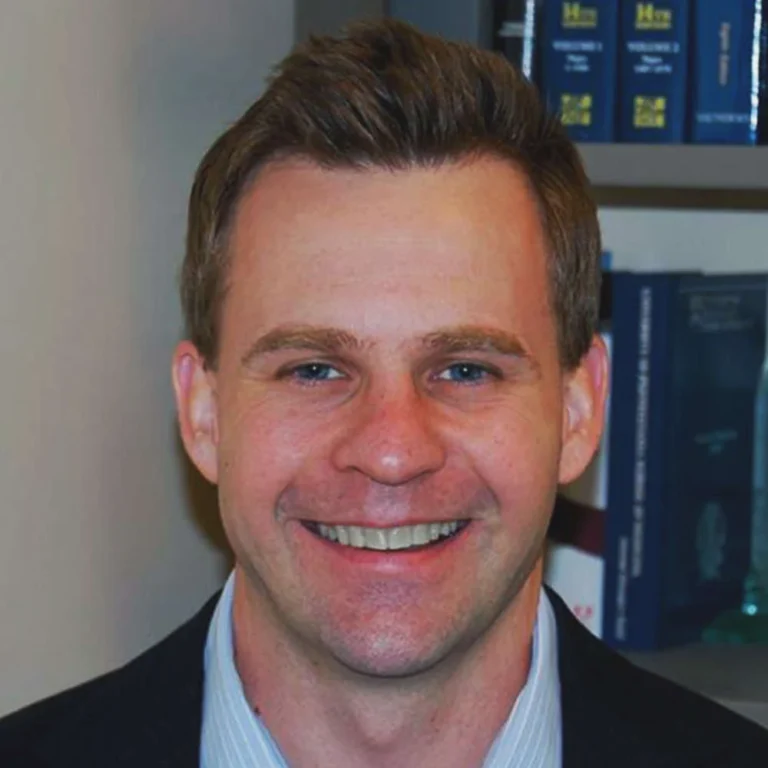
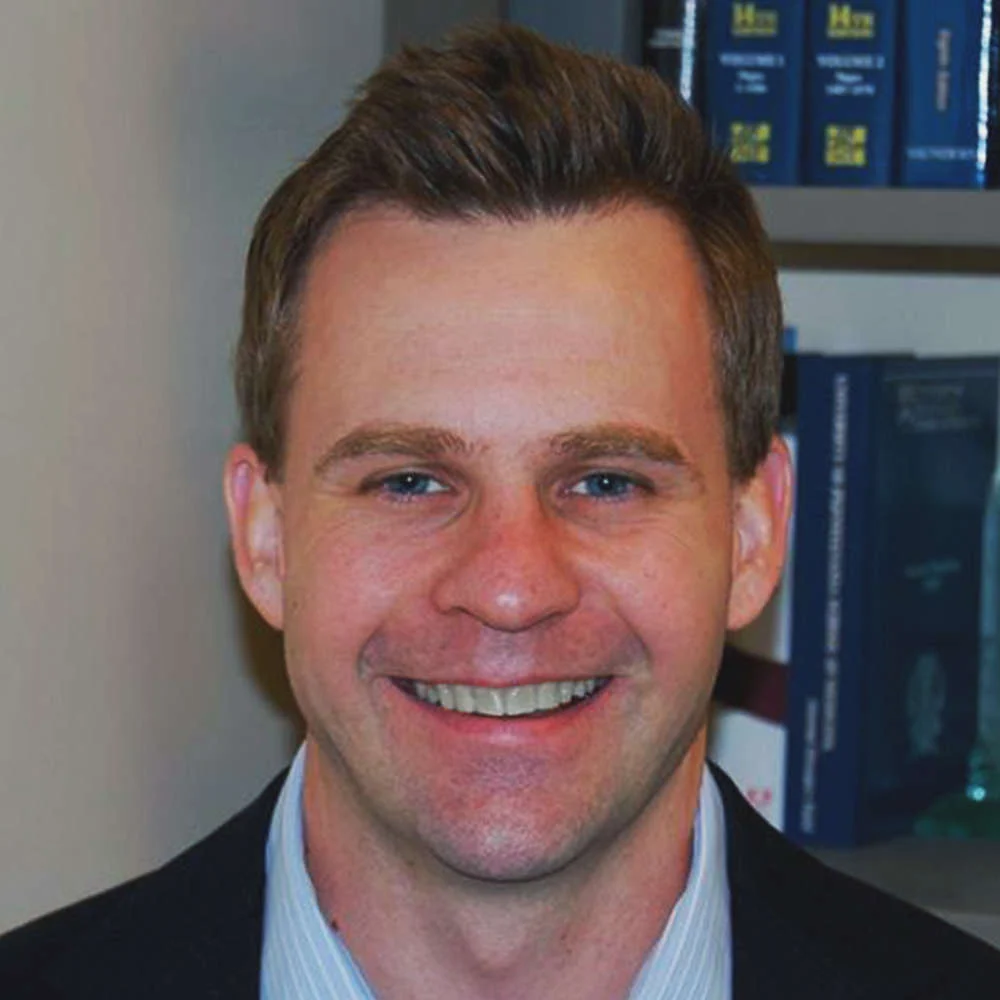
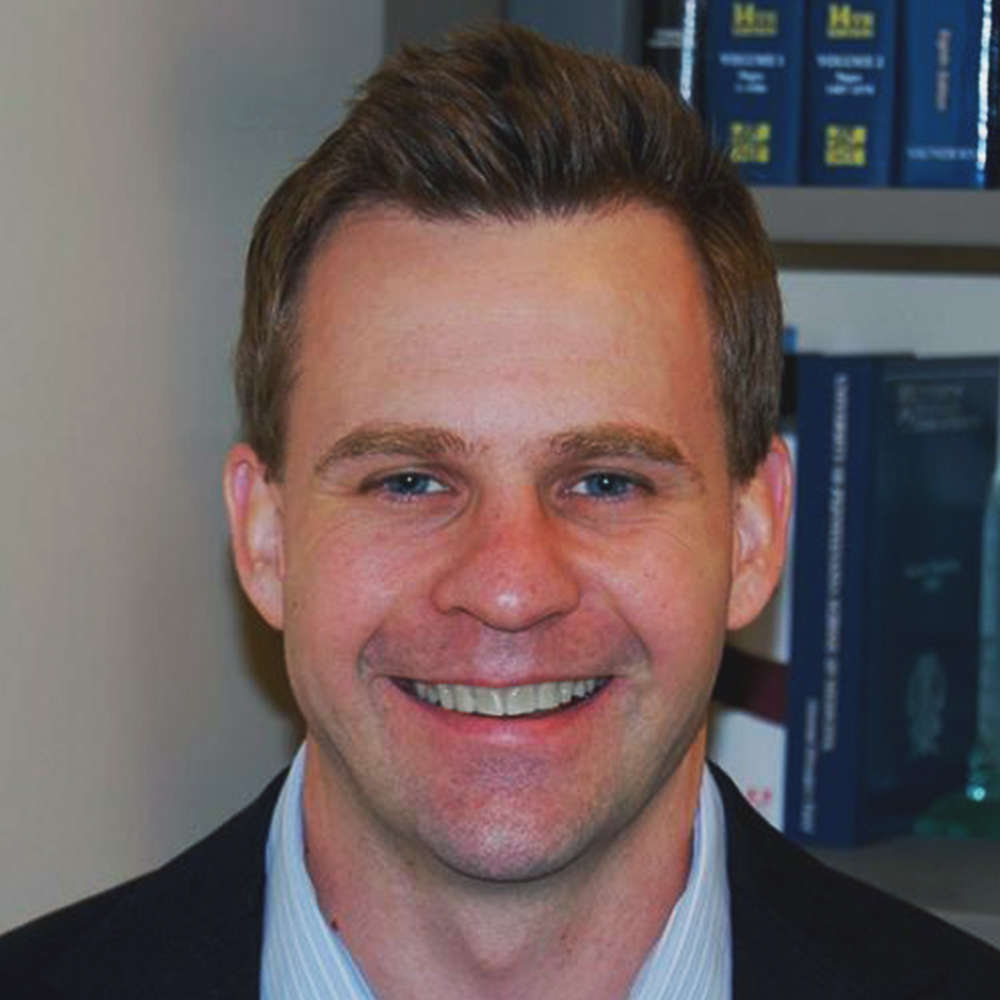
The clinical management of OCD has evolved significantly over the past few decades. Experts, including Dr. Brian P. Brennan of Harvard Medical School and the McLean Hospital OCD Institute, emphasize that successful treatment rarely relies on a single approach. Instead, a multimodal strategy—integrating psychotherapy and, when necessary, pharmacological intervention—is the gold standard.
The Role of Psychotherapy
Psychotherapy, specifically Cognitive Behavioral Therapy (CBT), serves as the cornerstone of treatment. CBT helps patients identify the faulty connections between their thoughts, emotions, and behaviors. By challenging the catastrophic nature of their obsessions, patients learn to decouple the anxiety from the ritual.
A specific subset of CBT, known as Exposure and Response Prevention (ERP), is considered the most effective therapeutic intervention. In ERP, patients are systematically exposed to the triggers of their obsessions (e.g., germs, social situations, or order-related stimuli) while being coached to resist the compulsive urge to perform a ritual. Over time, this process of "habituation" reduces the anxiety associated with the obsession, teaching the brain that the feared outcome is unlikely to occur even if the ritual is omitted.
Pharmacological Interventions
Medication is often used to supplement therapy, particularly when symptoms are severe. Selective Serotonin Reuptake Inhibitors (SSRIs) are the most common pharmacological choice. These medications assist in regulating serotonin levels, which can help dampen the intensity of obsessive thoughts. However, clinicians caution that medication alone is rarely sufficient. Relying solely on medication often fails to address the learned behavioral patterns that perpetuate the disorder, which is why integrated care plans are essential.
Implications for Recovery and Future Research
The implications of living with untreated OCD are severe, often leading to social isolation, depression, and significant disruptions to career and education. However, the prognosis for those who seek treatment is increasingly optimistic.
Holistic Integration
Beyond traditional medicine, there is growing interest in the role of mindfulness, meditation, and yoga in the recovery process. While these practices are not "cures," they function as powerful adjunctive tools. Mindfulness training, for instance, teaches patients to observe their intrusive thoughts with detachment rather than engagement, effectively reducing the "stickiness" of obsessive loops.
The Future of Treatment
Research is moving toward more personalized medicine. By utilizing neuroimaging and genetic profiling, experts like Dr. Brennan hope to identify biological markers that predict how a patient will respond to specific treatments. This shift toward "precision psychiatry" aims to move away from the trial-and-error approach currently used in prescribing medications, allowing clinicians to tailor treatment plans to the unique neurochemical profile of the individual.
A Call for Awareness
Ultimately, the greatest hurdle in addressing OCD is the stigma surrounding the disorder. Because the symptoms are often bizarre or socially misunderstood, many sufferers delay seeking help for years. The medical community continues to emphasize that early detection is the most significant factor in long-term success. If you or someone you know is experiencing symptoms that interfere with daily life, it is imperative to consult with a licensed mental health professional.
The path to recovery is not linear; it is a process of reclaiming autonomy from a brain that has become stuck in a feedback loop. With the right combination of professional support, evidence-based therapy, and patient persistence, individuals with OCD can move beyond the constraints of their symptoms and lead fulfilling, productive lives. As we continue to demystify the mechanisms of the human mind, the stigma surrounding these conditions will continue to fade, replaced by a culture of support, understanding, and effective clinical care.