






The medical landscape in the United States is currently grappling with a public health crisis of unprecedented proportions. With over 40 million Americans—approximately 14.5 percent of the adult population—struggling with substance use disorder (SUD), the need for comprehensive, integrated care has never been more urgent. While the formal recognition of addiction medicine as a board-certified subspecialty in 2015 marked a milestone for the medical community, experts argue that the responsibility for treating addiction cannot, and should not, rest solely on the shoulders of a few thousand specialists.
To address the surging tide of overdose deaths, particularly those fueled by the proliferation of synthetic opioids like fentanyl, the medical establishment must pivot toward a universal model of care where every clinician is equipped to screen, intervene, and treat patients affected by addiction.
The Core Facts: A Silent Epidemic
Addiction is a chronic, relapsing disease that affects the brain’s reward, motivation, and memory systems. Despite its prevalence, it remains one of the most under-treated conditions in modern medicine. The statistics are staggering: the Centers for Disease Control and Prevention (CDC) reported that in the 12-month period ending in April 2021, the U.S. saw more than 100,300 overdose deaths. This represented a 28.5 percent increase from the previous year, with opioid-related fatalities climbing by nearly 35 percent to reach 76,000.
These numbers are not just cold data points; they represent a systemic failure to integrate addiction care into primary and specialty medical settings. When a patient presents with symptoms of hypertension or diabetes, standard clinical protocols dictate immediate screening and management. Yet, when it comes to substance use, the response is often fragmented, delayed, or entirely absent.
A Chronology of Progress and Stagnation
The history of addiction medicine in the U.S. is one of slow institutional integration.
- Pre-2015: Addiction was largely siloed into psychiatric or specialized addiction centers, often detached from general medical practice.
- October 2015: The American Board of Medical Specialties (ABMS) officially recognized addiction medicine as a formal subspecialty. This gave the field professional legitimacy but inadvertently signaled to general practitioners that they could "leave it to the experts."
- 2018: Research published in the journal Substance Abuse revealed a critical deficit in medical training, noting that only 24 percent of residency programs nationwide dedicated 12 or more hours of their curricula to addiction medicine.
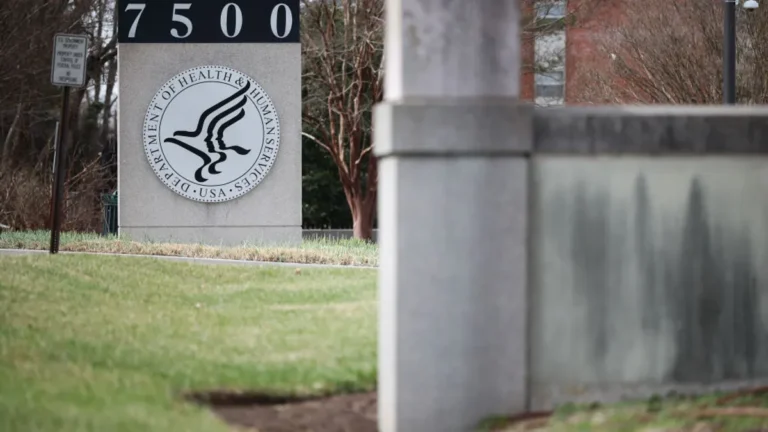
- April 2021: The Department of Health and Human Services (HHS) took decisive action to lower barriers for prescribing buprenorphine—a life-saving partial opioid agonist—to combat the rise in opioid use disorders. This was a direct response to the fact that, prior to this, only 6 percent of active U.S. physicians held the DEA "X-waiver" required to prescribe the medication.
Despite these incremental steps, the growth in the number of trained professionals has not kept pace with the scale of the crisis. Currently, only about 3,100 medical professionals in the U.S. are formally trained in addiction medicine or addiction psychiatry—a ratio that is profoundly inadequate for a population of 21 million suffering from moderate to severe addiction.
Supporting Data: The Need for Universal Literacy
The data is clear: medical schools and residency programs are failing to prepare the next generation of physicians for the reality of clinical practice. If a physician in an emergency room, an orthopedic surgeon managing post-surgical pain, or a pediatrician conducting a routine check-up lacks the tools to address substance use, the patient’s health trajectory remains precarious.
The current training gap creates a "bottleneck effect." Because the majority of practitioners lack the confidence or knowledge to initiate treatment, patients are often referred to a specialized center that may be months away or entirely inaccessible. This delay can be fatal. Research consistently shows that integrating Screening, Brief Intervention, and Referral to Treatment (SBIRT) into all clinical encounters significantly improves outcomes. SBIRT is not merely a screening tool; it is a clinical philosophy that treats substance use with the same medical rigor as any other vital sign.

Official Responses and Policy Shifts
Government bodies and medical associations have acknowledged the crisis, yet the pace of reform remains uneven. The move by the HHS to expand access to buprenorphine prescribing was a landmark acknowledgment that the "specialist-only" model was contributing to preventable deaths.
However, policy change is only as effective as the education that supports it. There is a growing movement among medical educators to mandate addiction medicine rotations for all residents, regardless of their intended specialty. The goal is to demystify addiction, shifting the perception from a moral failing—which drives stigma and shame—to a manageable medical condition. When a physician asks about a patient’s drug use with the same neutrality they use to ask about allergies or sleep habits, the wall of stigma begins to crumble.
Implications for the Future of Healthcare
The implications of maintaining the status quo are dire. If we continue to treat addiction as an "add-on" or an elective skill, we will continue to see high mortality rates and the cyclical return of patients to our hospitals with preventable, substance-related complications.
1. Breaking the Stigma through Clinical Normalization
Stigma is perhaps the greatest barrier to recovery. Patients fear judgment, and doctors often fear the complexity of managing addiction. By incorporating screening into standard intake protocols, we signal to the patient that their health—mental, physical, and behavioral—is a priority. This creates a "safe space" where patients feel comfortable disclosing their struggles before they reach a crisis point.
2. The Economic and Human Cost
Beyond the human toll, the economic burden of untreated addiction on the healthcare system is astronomical. Emergency room visits, prolonged hospitalizations for complications related to intravenous drug use, and the long-term impact on families all contribute to a massive systemic drain. Investing in universal training for doctors would effectively shift the focus from expensive, reactive crisis management to proactive, preventative care.
3. The Human Connection
At the heart of this issue is the human element. For many medical professionals who have undergone training in addiction medicine, the work is described as profoundly rewarding. It is a field that requires patience, empathy, and resilience. As the current generation of physicians reflects on their own education—many, like the author, having received perhaps one hour of lecture on the subject over 35 years ago—there is a palpable sense of lost opportunity.
Conclusion: A Call to Action
The crisis of addiction is too vast to be contained by a single specialty. It is a universal medical challenge that permeates every ward, clinic, and office in the country. To truly turn the tide, we must:
- Mandate Comprehensive Curricula: Ensure that every medical student and resident receives substantial, hands-on training in addiction medicine.
- Normalize Screening: Make SBIRT a standard requirement for all patient encounters, ensuring that no patient slips through the cracks.
- Democratize Treatment: Remove unnecessary bureaucratic hurdles for prescribing evidence-based medications, empowering primary care physicians to manage addiction as they would any other chronic disease.
The addiction epidemic may seem insurmountable when viewed as a whole, but the solution lies in the individual interaction. By equipping every physician with the knowledge and the confidence to intervene, we can transform the medical system into a robust network of support. We must stop viewing addiction as a problem for "someone else" and recognize that every patient is a patient who deserves our expertise, our empathy, and our care. The time to change the curriculum of our medical schools and the culture of our clinics is now. We owe it to the millions who are currently struggling, and to the future of the medical profession itself.