









By Kari McBride
The memory of my daughter’s first steps remains etched in the architecture of my mind, as vivid and tactile as if it occurred only this morning. It was not merely a physical milestone; it was the culmination of an arduous 18-month odyssey defined by clinical appointments, sterile hospital corridors, and the rigorous discipline of physical therapy. When those small, hesitant feet finally found their rhythm—swaggering and swaying down the hallway with a precarious, beautiful independence—the surge of joy I felt was visceral. It was a moment of profound triumph that I instinctively sought to crystallize, to hold against the inevitable erosion of time.
Back then, well-meaning observers often offered the platitude: "Savor this moment; it won’t happen again." At the time, I believed I grasped the gravity of that advice. I thought "savoring" was an act of conscious appreciation for the monumental. However, as the trajectory of my life has shifted toward the complex, often grueling reality of chronic pain—both my own and my daughter’s—the definition of that word has undergone a radical transformation. I have come to realize that savoring is not reserved for the milestones; it is, in fact, an essential survival strategy for the mundane.
The Evolution of a Daily Ritual: From Chore to Sanctuary
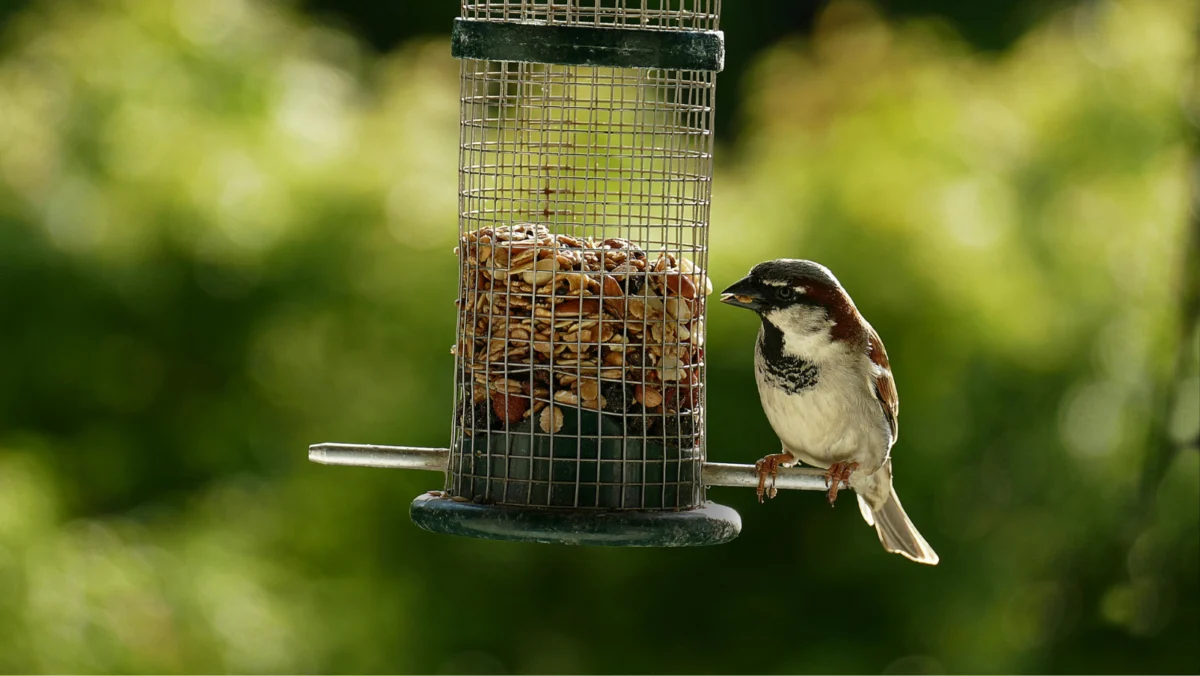
The transition from the high-stakes intensity of early childhood development to the nuanced challenges of the teenage years has been marked by a shift in perspective. Recently, my daughter expressed an urgent desire to install bird feeders throughout our property. What began as a negotiation—a teenage whim that I initially viewed as yet another burdensome task on an already overflowing to-do list—has evolved into a sanctuary.
We now have feeders positioned in both the front and back yards. Initially, I approached the task with the pragmatic resignation of a parent managing logistics: seed selection, placement, maintenance, and the inevitable mess. Yet, as the neighborhood avian population began to congregate, the nature of the activity shifted. The presence of a dove landing with measured grace on the grass, or the inquisitive, rhythmic hopping of a mockingbird, began to interrupt the internal cacophony of my day.
Chronology of a Shifting Perspective
To understand how this shift occurred, one must look at the timeline of chronic illness. Chronic pain does not arrive with the fanfare of a diagnosis; it often seeps into the infrastructure of a life, gradually narrowing the horizon of one’s focus.
- The Milestone Phase: The early years were defined by acute, goal-oriented recovery. Every therapy session was a battle for progress. The focus was entirely external: hitting markers, reaching milestones, and moving forward.
- The Chronic Transition: As the years progressed, the acute recovery phase gave way to the reality of chronic management. The pain became a background noise—a constant, low-frequency hum that dictates the rhythm of one’s schedule, sleep, and emotional bandwidth.
- The Current Phase: In this stage, the pursuit of "getting better" has been superseded by the necessity of "getting through." It is here that the bird feeders entered the narrative. They represent a pivot from the external pursuit of milestones to the internal pursuit of presence.
Supporting Data: The Psychology of Micro-Moments
While my experience is deeply personal, it aligns with emerging research in the fields of pain management and behavioral psychology. The "broaden-and-build" theory of positive emotions, pioneered by Dr. Barbara Fredrickson, suggests that even brief moments of positive affect can help individuals build resilience against the depletion caused by chronic stress and physical suffering.
For those living with chronic pain, the nervous system often remains in a state of hyper-arousal. When we stop to observe a bird, we are engaging in a form of informal mindfulness. According to data from the National Center for Complementary and Integrative Health (NCCIH), mindfulness-based interventions can significantly alter the way the brain processes pain signals. By shifting the focus from the internal sensation of suffering to an external object of neutral or positive interest, individuals can create a temporary "cognitive break."
These breaks, though brief, are not trivial. They function as a physiological reset. When I stand at the window—watching, breathing, noticing—I am not ignoring my pain. Rather, I am widening the lens through which I view my day. The pain is still present, but it no longer occupies the entire field of vision.
Official Perspectives: The Clinical View on Chronic Pain Management
Medical professionals increasingly emphasize that long-term management of chronic conditions requires a multifaceted approach. Dr. Arlene Steiner, a specialist in pain management and rehabilitation, notes: "The goal is rarely the total elimination of pain, but rather the restoration of function and the cultivation of quality of life. Patients who learn to identify ‘micro-joys’—small, low-energy activities that provide a sense of connection or peace—show markedly better emotional outcomes than those who remain solely focused on their physiological symptoms."
This perspective reinforces the idea that the "savoring" of a moment is a legitimate medical strategy. It is not escapism; it is a recalibration of the nervous system. When we intentionally pause, we signal to our bodies that we are not currently in a state of immediate threat, which can dampen the fight-or-flight response that often exacerbates chronic pain.
The Implications of "Small Savoring"
The implications of this shift are profound for families navigating the complexities of chronic illness. When we wait for the "big" moments to find happiness—the graduation, the recovery, the resolution of a health crisis—we leave ourselves vulnerable to long stretches of despair.
1. The De-stigmatization of Small Wins
There is a societal pressure to celebrate only the milestones. However, for those with chronic pain, the "small wins"—getting the bird feeder filled, successfully managing a bad pain day, or sharing a quiet moment of observation with a child—are just as critical as the milestones.
2. Redefining Resilience
Resilience is often depicted as a heroic, loud struggle. My experience suggests that true resilience is quiet. It is the ability to stand still when the body wants to collapse. It is the decision to look at a mockingbird instead of looking at the clock.
3. The Intergenerational Transfer of Coping Skills
By engaging in these small, savoring activities with my daughter, I am teaching her a vital lesson: that life, even when it is difficult, is still capable of holding beauty. We are learning together that the pain does not have to be the sole architect of our days.
Conclusion: A New Definition of "Savoring"
The birds eventually fly away. The silence of the garden is replaced by the return of my reality—the to-do lists, the medical appointments, the persistent thrum of discomfort. Yet, the reprieve remains.
I have realized that "savoring" is not a passive act of enjoying a highlight reel. It is an active, intentional choice to pause in the middle of the mess. It is the acknowledgment that while the pain may not disappear, its grip can be loosened. I am no longer waiting for the next "first steps." I am learning to appreciate the thousands of small, fleeting movements that happen in the space between the milestones.
Maybe this is what it truly means to live. It is not about the grand arrival at a destination, but about the quality of the attention we pay to the journey, even when the path is steep and the burden is heavy. By stopping to notice the wings of a dove or the flutter of a leaf, I am choosing to reclaim my life, one small, quiet moment at a time.