








15 July, 2026
The global landscape of respiratory medicine is currently undergoing a paradigm shift. While the last two decades have been defined by rapid advancements in molecular biology, pharmacology, and digital diagnostics, a critical bottleneck has emerged: the “translational gap.” Scientific breakthroughs are occurring at an unprecedented rate, yet the integration of these findings into routine clinical practice remains inconsistent, fragmented, and often sluggish.
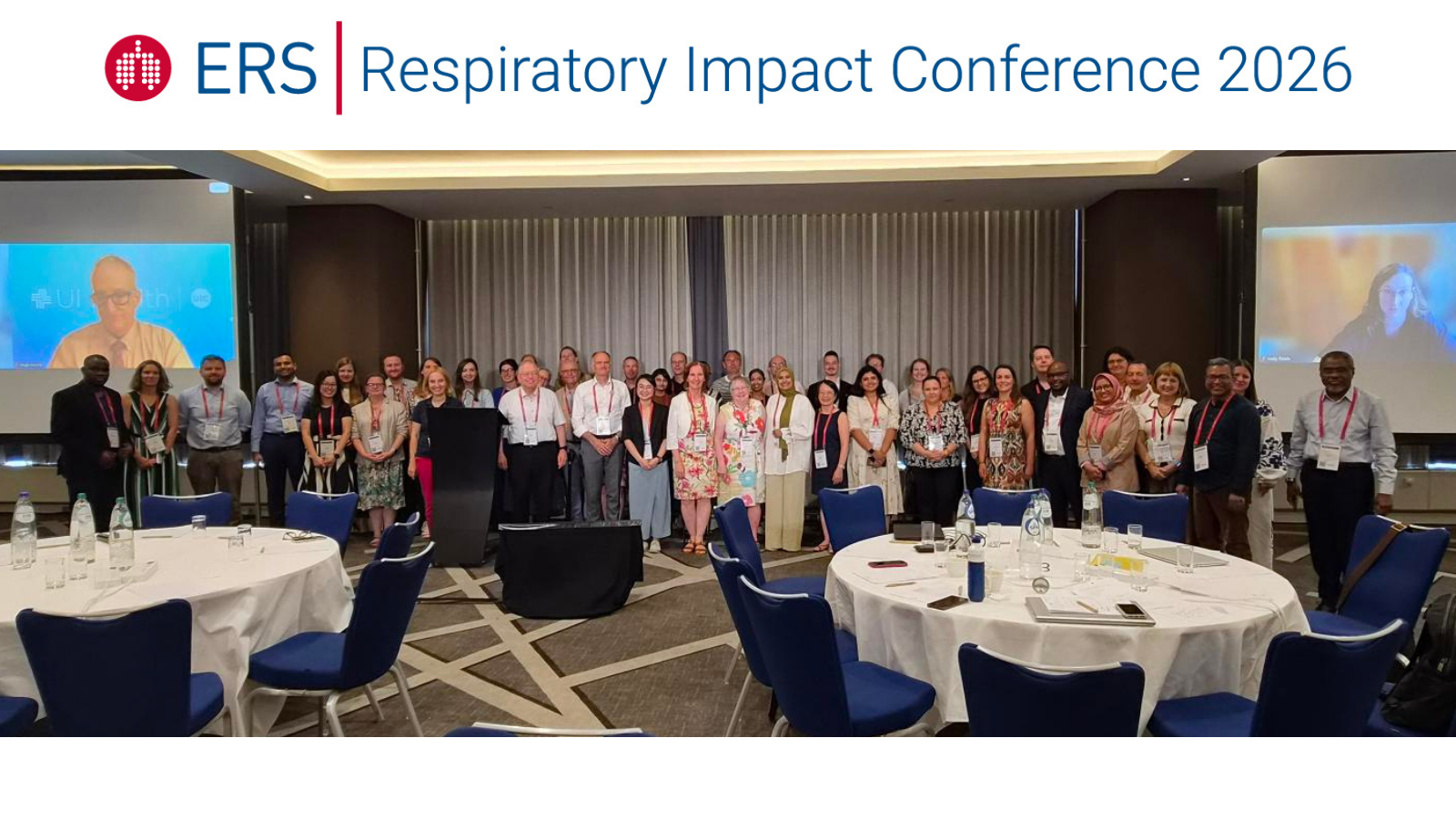
In a decisive effort to address this challenge, the European Respiratory Society (ERS) convened its inaugural Respiratory Impact Conference at the end of June 2026. This landmark event serves as the first dedicated international forum focused exclusively on the implementation of evidence-based care. By shifting the spotlight from discovery to application, the ERS is attempting to redefine how respiratory medicine is delivered on a global scale.
Main Facts: A New Chapter for Respiratory Science
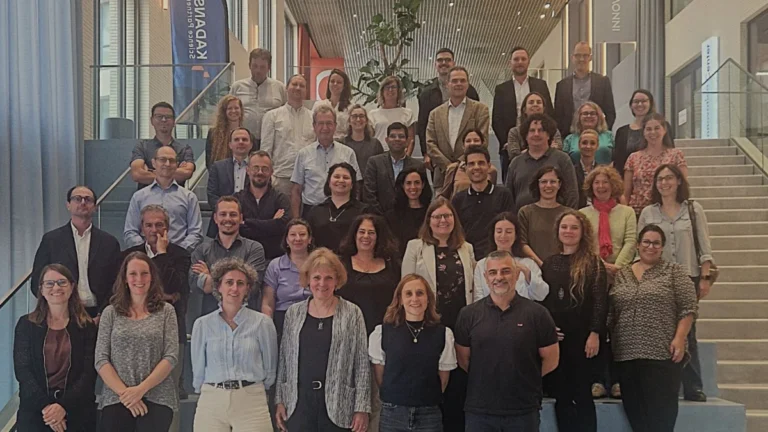
The Respiratory Impact Conference was designed as a direct response to the persistent disconnect between clinical research and patient outcomes. Held over several days in late June, the event successfully convened a diverse cohort of experts from 38 countries. The attendees represented a cross-section of the healthcare ecosystem, including clinicians, bench scientists, public health educators, high-level policymakers, implementation scientists, and—most importantly—patient representatives.
The core objective was not merely to discuss new data, but to dissect the methodologies of implementation. The conference explored how scientific evidence can be systematically translated into policy, practice, and ultimately, meaningful improvements in population health. By creating a collaborative environment, the ERS aims to ensure that scientific progress is not siloed in academic journals, but actively utilized in community clinics, primary care settings, and national health infrastructures.
Chronology of the Event
The conference program was meticulously structured to foster both high-level strategic discourse and granular, practical skill-sharing.
Day One: Setting the Global Agenda
The proceedings opened with a keynote address by José Luis Castro, Director-General Special Envoy for Chronic Respiratory Diseases for the World Health Organization (WHO). Mr. Castro’s presence underscored the urgency of the matter, emphasizing that chronic respiratory diseases are a major global health burden that requires standardized, scalable interventions. His address served as the foundational narrative for the conference, pivoting the conversation toward the necessity of embedding clinical evidence into international policy frameworks.
Day Two: The Mechanisms of Implementation
The second day focused on "implementation science"—a burgeoning field that studies the methods and strategies that facilitate the uptake of evidence-based practices. Breakout sessions featured interactive workshops where participants analyzed case studies of successful policy implementation, such as the scaling of pulmonary rehabilitation programs and the integration of digital diagnostic tools in resource-limited settings.
Day Three: Synthesis and Future Directions
The final sessions were dedicated to the "three pillars" of the ERS: science, education, and advocacy. Participants engaged in roundtable discussions to establish a roadmap for the next three years, focusing on how these three disciplines can interact to create a cohesive, globalized approach to respiratory care.
Supporting Data: The Need for Translation
To understand the necessity of this conference, one must look at the current state of respiratory health. According to global health metrics, chronic respiratory diseases—including asthma, chronic obstructive pulmonary disease (COPD), and interstitial lung diseases—account for a significant portion of mortality and disability-adjusted life years (DALYs) worldwide.
Despite the existence of gold-standard clinical guidelines, data presented during the conference indicated that:
- Adherence Rates: In many regions, adherence to evidence-based asthma management guidelines remains below 50%.
- Diagnostic Delays: The average time from symptom onset to formal diagnosis for rare respiratory conditions continues to exceed 18 months, indicating a failure in the pathway from patient presentation to clinical verification.
- Equity Gaps: There is a persistent disparity in access to advanced biologics and inhalation therapies between high-income and low-to-middle-income countries.
The conference utilized these data points to argue that the issue is no longer a lack of knowledge, but a lack of delivery systems. The implementation of evidence-based care is therefore not just a clinical challenge, but a logistical and systemic one.
Official Responses and Perspectives
The vision for this conference was championed by Prof. Hilary Pinnock, ERS Education Council Chair and Professor of Primary Care Respiratory Medicine at The University of Edinburgh, who served as Conference Co-Chair.
The "Bench to Bedside" Evolution
Prof. Pinnock articulated the philosophy behind the conference during her address, noting that the traditional model of medical advancement is no longer sufficient.
“ERS recognises that the translational pathway extends beyond ‘bench to bedside’ to encompass how effective treatments can be implemented in routine care to benefit the respiratory health of populations,” Prof. Pinnock stated. “The Respiratory Impact Conference complements the discovery science focus that has been served so well by the ERS Lung Science Conference. Together, these meetings represent the full spectrum of respiratory science—from understanding the mechanisms of disease and developing new therapies through implementation and population health.”
The Synergy of the Three Pillars
Reflecting on the successful execution of the event, Prof. Pinnock highlighted the importance of the multidisciplinary approach.
“The faculty and highly interactive sessions demonstrated that achieving impact relies on the three pillars of ERS working together: science, education, and advocacy,” she added. “It was inspiring to see so many disciplines coming together with a shared goal of improving respiratory health.”
The ERS leadership team, including the organizing committee and co-chairs, emphasized that the conference was not a one-time event, but the initiation of a long-term commitment to evidence-based practice. The society extended its gratitude to the faculty and participants, noting that the quality of engagement from the 38 represented countries was essential in identifying the barriers to implementation.
Implications: A New Era for Respiratory Care
The implications of the Respiratory Impact Conference are likely to be felt throughout the global medical community for years to come. By formalizing "implementation" as a primary focus of the society, the ERS has created a new standard for medical organizations.
1. Shift in Research Priorities
Researchers are being encouraged to move beyond primary discovery. Future grants and institutional support may prioritize studies that focus on the usability and scalability of new treatments. This "impact-first" research approach is expected to reduce the time between laboratory discovery and patient benefit.
2. Strengthening Advocacy and Policy
The presence of WHO representatives and policymakers suggests that the ERS is moving toward a more activist role. By providing clear, actionable data to governments, the society hopes to influence national health policies, ensuring that respiratory care is prioritized in budget allocations and public health planning.
3. Empowerment of Primary Care
As Prof. Pinnock noted, the translational pathway leads ultimately to "routine care." This signals a shift in focus toward primary care physicians, nurses, and community health workers—the professionals who manage the vast majority of respiratory patients. The conference has laid the groundwork for better educational resources and simplified clinical pathways for these frontline staff.
4. A Global Network of Implementation Scientists
Perhaps the most enduring legacy of the conference is the creation of a network of professionals dedicated to the science of implementation. Participants left the event with new collaborative relationships that span continents, allowing for the cross-pollination of successful ideas. If a specific digital monitoring tool is successful in one country, the infrastructure is now in place to share that model with others, effectively bypassing the trial-and-error phase that often delays adoption.
Conclusion
The 2026 ERS Respiratory Impact Conference represents a maturation of the field. For decades, the medical community has focused on the what—the discovery of new molecules and the mapping of disease pathways. With this new dedicated conference, the ERS is focusing on the how—how to deliver that care to every patient, regardless of their geography or socio-economic status.
As the scientific community looks toward the future, the success of this event suggests that the most profound improvements in respiratory health will not necessarily come from a new drug or device, but from the rigorous, evidence-based application of the knowledge we already possess. By bridging the gap between the laboratory and the clinic, the ERS has set a bold course for the decade ahead.