










"I just bought a new BPA-free Tupperware set."
This comment, coming from my friend Anna, caught me off guard. Anna is a high-powered law professional. She is a razor-sharp critical thinker who spends her days cutting through the noise of complex litigation. Yet, in the pursuit of her personal health goals—specifically, losing about 15 pounds—the Anna I knew was falling into a psychological trap that seemed to bypass her hawk-like skepticism entirely.
When I asked her why she was prioritizing plastic storage containers, she cited a deep dive into microplastics, hormone disruption, and weight gain. She spoke with the authority of someone who had found the "missing link" to her health journey. However, the reality of her lifestyle told a different story: she was struggling with gym consistency, relying heavily on takeout, and sacrificing restorative sleep to engage in "doom-scrolling."
When I gently pivoted the conversation toward the unsexy foundations of health—consistent movement and home-cooked meals—her response was immediate: "Yeah, but I’ve tried that a thousand times. If it were that simple, it would have worked already."
Anna’s story is not an anomaly; it is a symptom of a modern epidemic of "productive procrastination."
The Anatomy of Avoidance: Why We Chase Magic Bullets
We have all been there. We ignore or delay the hard, foundational habit changes in favor of niche "magic bullets" that promise to change everything overnight. We spend hours researching the "optimal" pre-workout supplement or the latest bio-hacking gadget instead of performing the basic workout we already know how to do. We wait for inspiration, for the "perfect time," or for a less stressful season of life to begin our transformation.
Why do we do this? Because buying new gear or consuming content about health feels like making progress. It releases dopamine. It creates the illusion of momentum without the friction of actual change. Except, as the data consistently shows, nothing changes until we take real, consistent, often mundane action. We are incredibly clever at inventing ways to avoid the unglamorous work that drives results.
The Cold, Hard Data: The State of Our Habits
The health and fitness industry often sells a narrative of extreme optimization, but the reality of human behavior is quite different. According to recent public health studies, only about six percent of the American population consistently performs the five basic pillars of health:
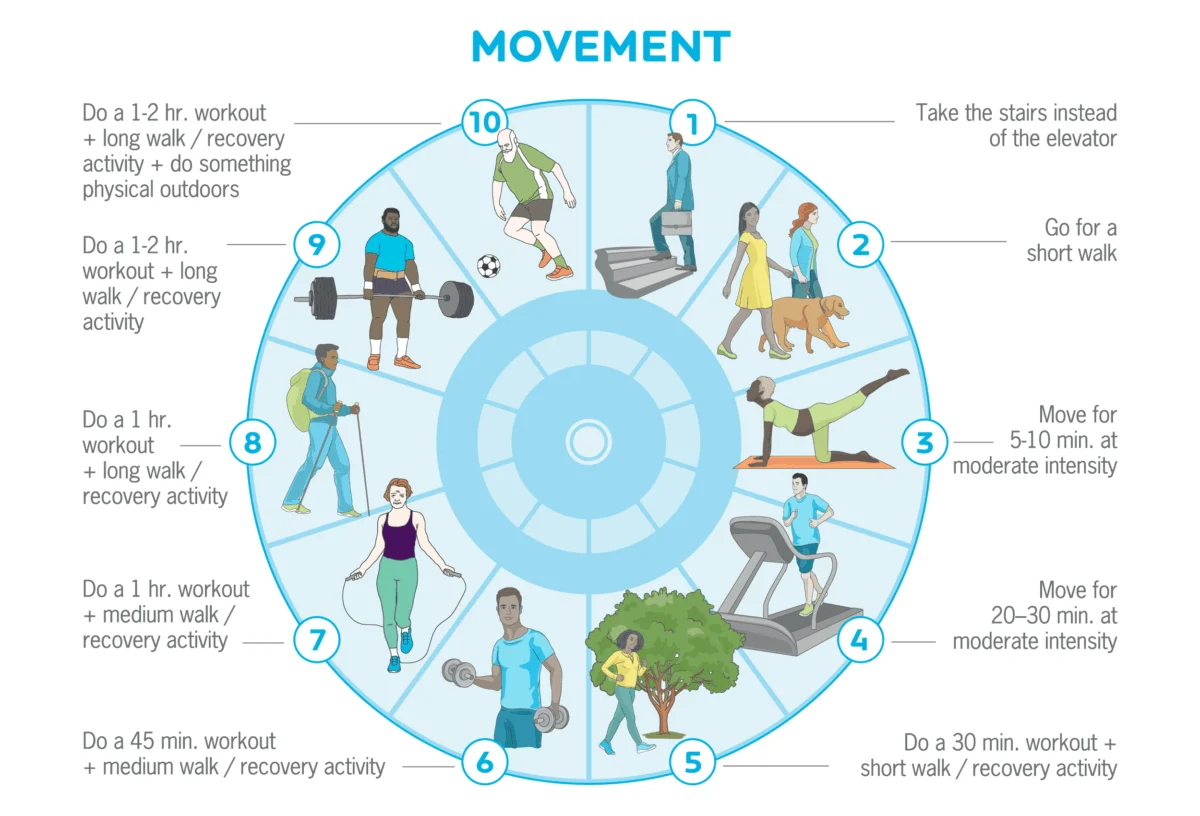
- Regular Exercise: At least 30 minutes of moderate-to-vigorous activity, including a blend of aerobic and resistance training.
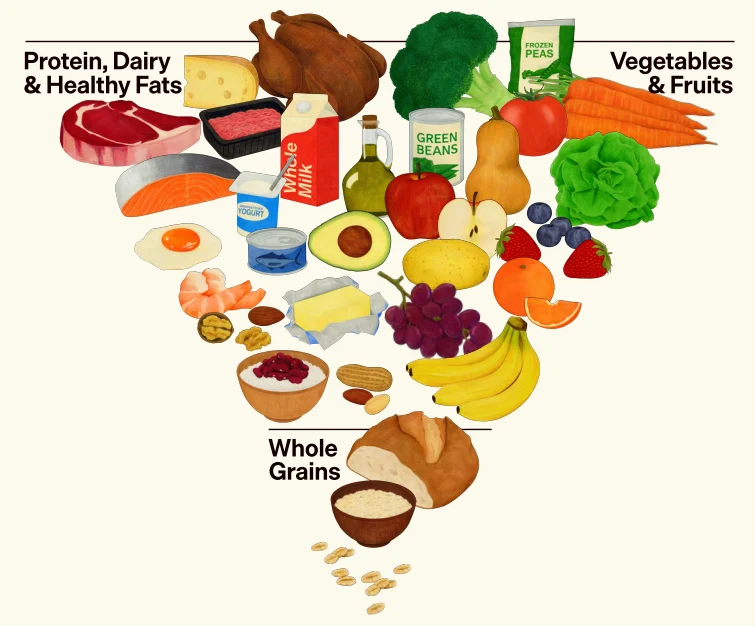
- Nutritional Quality: Consuming a diet primarily composed of minimally processed, whole foods (the "80 percent rule").
- Protein Intake: Sufficient protein to support muscle maintenance and satiety (roughly 1.2 to 2.2 grams per kilogram of body weight).
- Sleep Hygiene: Prioritizing seven to eight hours of quality, restorative sleep.
- Substance Moderation: Avoiding or minimizing alcohol, tobacco, and other non-essential chemical stimulants.
If we look at the math, 94 percent of the population is failing to meet these foundational markers. Yet, these are the very behaviors that correlate with longevity, body composition goals, and athletic performance. The disconnect between what we know and what we do is the primary barrier to our well-being.
The Psychology of Change: Understanding Ambivalence
It is important to acknowledge that the resistance we feel toward these basic habits is normal. Psychologists call this "ambivalence"—the push-and-pull sensation when we contemplate change. We want the result, but we also want the comfort of our current, suboptimal habits.
Resistance often signals that the change actually matters to us. It is not a sign of failure; it is a sign that the stakes are high. Rather than labeling this as "laziness" or "lack of willpower," we should view it as a natural part of the human experience. The struggle is not a bug in the system; it is a feature of the transformation process.
Barrier #1: The Ambition Overload Trap
Many of us fall into the trap of "Ambition Overload." We decide that starting Monday, we will exercise for an hour daily, overhaul our diet, and sleep eight hours—all while currently managing a sedentary lifestyle and a packed work schedule.
We suffer from "planning bias," where we overestimate our future time, energy, and willpower. When we fail—which is inevitable given the complexity of these self-imposed rules—we internalize the defeat. We blame our character rather than our strategy, reinforcing a narrative that we are incapable of consistency.

Barrier #2: The Fetishization of "Hardcore" Strategies
There is a pervasive belief that if basic habits haven’t worked, the solution must be something more complex, "cutting-edge," or secretive. We look for the "industry secret" because the basics feel boring.
However, most "hardcore" tools are either unsustainable, inaccessible, or unproven. They extract your time, money, and emotional energy without offering a meaningful return on investment. The irony is that the "boring" basics—like eating vegetables and walking—work exactly as promised; they just require a level of patience that modern marketing is not designed to support.
Barrier #3: The Illusion of Perfectionism
The fitness industry thrives on the image of perfection: the morning routine that starts at 5:00 AM, the perfectly macro-counted organic meals, and the relentless athletic output. Many of us pursue health believing that there is a "perfect" version of ourselves waiting to emerge.
But perfection is an illusion. Even the healthiest people face illness, stress, and off-days. The irony of the quest for perfection is that it makes us more brittle. To achieve a realistic "best self," you must accommodate your "worst self"—the version of you that is tired, stressed, or craving comfort.
Strategies for Sustainable Action
To bridge the gap between where you are and where you want to be, you must pivot toward a framework of flexibility.
1. Explore the "Why" Before the "How"
Before setting a goal, use the "5 Whys" exercise. Ask yourself why you want to change, and keep drilling down until you reach a core value. When you understand the deeper purpose behind your goals, you are more likely to endure the friction of the process.
2. Prioritize the Essentials
You can do anything, but you cannot do everything at once. Identify the one or two domains—nutrition, movement, or recovery—that would have the greatest impact on your life. Select one skill within that domain and one small, daily action to practice.
3. Build a "Floor" and a "Ceiling"
Stop viewing your habits as an "on/off" switch. Instead, think of them as a dial. Define your "floor"—the absolute minimum you will do on your worst day (e.g., five minutes of movement). Define your "ceiling"—the most you will do on your best day (e.g., a one-hour gym session). By creating a range, you ensure that you never fully disconnect from your goals. Even on your worst day, performing your "floor" action constitutes a success.
4. Optimize Your Ecosystem
As suggested by recent research in Nature Reviews Psychology, access and environment are the primary drivers of behavior. If you want to eat better, make healthy food the easiest option in your kitchen. If you want to work out, remove the barriers to entry by laying out your clothes or keeping your gear in plain sight. Build an environment where the desired behavior is the path of least resistance.
The Case for C+ Effort
If you are a high achiever, the idea of "C+ effort" might feel offensive. But this is the key to longevity. A C+ effort sustained over a lifetime will always outperform an A+ effort sustained for two weeks, followed by a total burnout.
We must adopt an attitude of self-compassion. The goal is not to be a machine that functions perfectly in a vacuum. The goal is to live a healthy, meaningful life while navigating the inherent messiness of being human.
When you learn to work with your vulnerabilities rather than gritting your teeth against them, you stop looking for magic bullets in the Tupperware aisle and start building the foundations of a life that you don’t need to take a break from. You will find that "good enough," when applied consistently, is actually the most powerful tool for change you have ever possessed.