










The landscape of American healthcare is undergoing a seismic shift. For decades, the industry operated under a paternalistic model where access, pricing, and delivery were opaque and provider-controlled. Today, that structure is being dismantled in favor of a "retailized" experience. As patients increasingly demand the same convenience from their doctor’s office as they do from their favorite e-commerce platforms, the healthcare industry is scrambling to adapt.
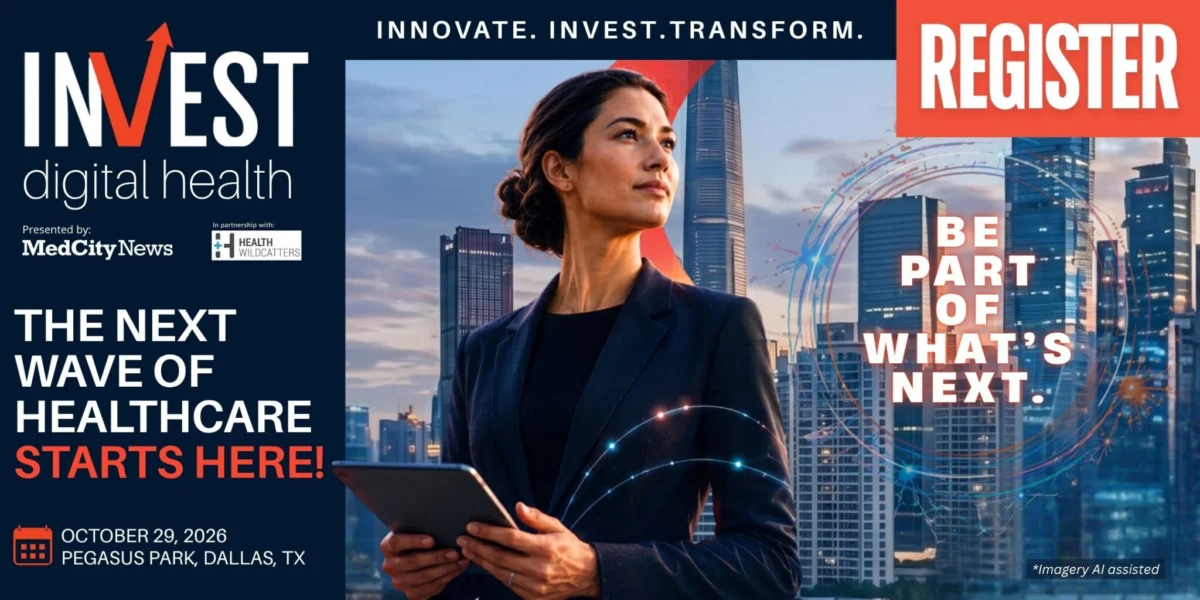
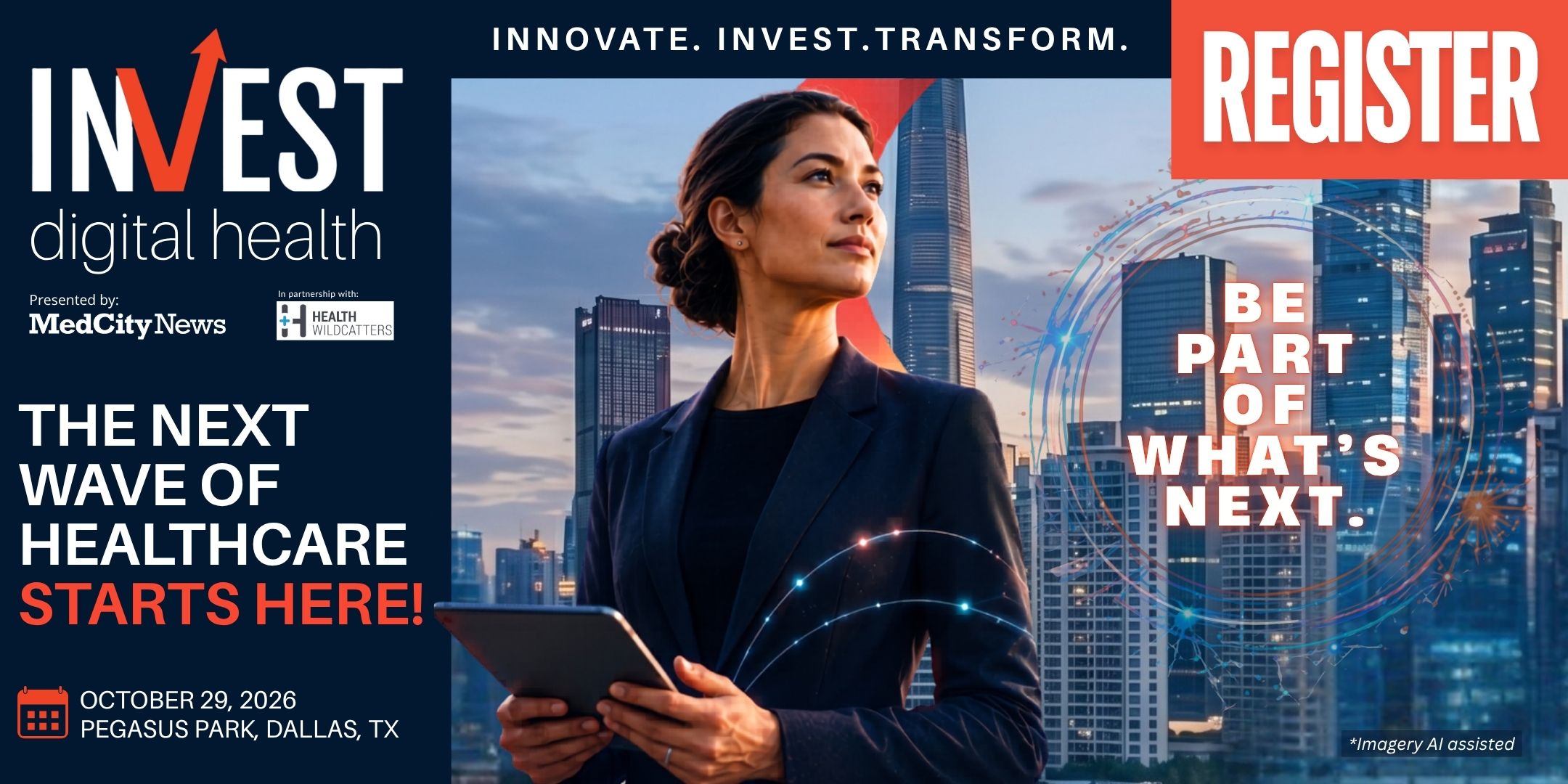
This evolution—and the friction it creates—will be the central theme of the INVEST Digital Health Conference, taking place on October 29 at the innovation hub of Pegasus Park in Dallas, Texas. Hosted in partnership with Health Wildcatters, the event serves as a high-level forum for stakeholders to dissect the "Direct-to-Patient" future of healthcare.
The Shift Toward Consumer-Centricity
A pivotal report published earlier this year by the Boston Consulting Group (BCG) provided the intellectual scaffolding for this year’s conference. BCG’s findings suggest that while direct-to-consumer (DTC) healthcare models have historically struggled with profitability and sustainability, a new playbook is emerging.
The report highlights three critical pillars for success in the modern era:
- Frictionless Empathy: Designing products that solve real-world patient pain points without the bureaucratic overhead of traditional systems.
- Radical Transparency: Building trust through clear pricing and accessible health data.
- The Consumer-First Mindset: Treating the patient not as a beneficiary or a "case," but as a customer whose loyalty must be earned.
These concepts form the backbone of the INVEST Digital Health agenda, which aims to bridge the gap between legacy clinical rigor and the agile, tech-driven expectations of the modern consumer.
Chronology: How We Arrived at the Retailization of Health
The current movement toward consumer-driven health is not an overnight phenomenon; it is the culmination of a decade of digital transformation.
- 2015–2018 (The Dawn of Digital Health): The early phase saw the rise of basic telehealth and mobile apps. While these tools were revolutionary, they largely functioned as add-ons to traditional care rather than replacements.
- 2019–2021 (The Pandemic Accelerator): Covid-19 forced a massive, involuntary trial of remote care. Patients were suddenly comfortable with virtual consultations, and the "healthcare-as-a-service" (HaaS) model gained mainstream acceptance.
- 2022–2024 (The Rise of Specialization): Following the initial rush, companies began focusing on specific verticals—weight loss, fertility, mental health, and biomarker testing—creating a fragmented but highly effective niche market.
- 2025–2026 (The Integration Phase): We are currently in the era of integration. The focus has shifted from merely providing "access" to providing "coordination." Today’s leaders are tasked with integrating wearables, lab results, and pharmacy delivery into a single, cohesive consumer experience.
Supporting Data: The Economic Imperative
The push for consumer-driven healthcare is backed by significant market movement. According to recent industry data, the demand for personalized health diagnostics is growing at an annual rate of 15%, driven by a demographic that is increasingly comfortable sharing biometric data in exchange for actionable health insights.
Furthermore, the "Weight Loss Economy"—largely fueled by the surge in GLP-1 prescriptions—has become a massive laboratory for DTC models. With millions of Americans seeking metabolic solutions, the pressure on startups to prove unit economics while maintaining patient retention has never been higher. The INVEST conference will specifically address these fiscal pressures, examining how companies transition from simple "script-mill" models to holistic, long-term metabolic wellness platforms.
Official Perspectives: The Seven Pillars of the Agenda
The conference will feature seven core sessions, each designed to dissect a specific facet of the DTC revolution.
1. From Lab to Living Room: The Rise of Consumer Diagnostics
Personalized medicine is no longer confined to top-tier research hospitals. From gut microbiome analysis to STI check-ups and comprehensive biomarker screenings, the diagnostic barrier has lowered. This session will explore the "clinical rigor gap"—how companies can maintain the trust of the medical establishment while providing the instant, data-driven answers consumers demand.
2. Convenience as a Clinical Strategy
Health systems are traditionally risk-averse, yet they are now being forced to compete with lean, agile digital-first startups. Panelists will discuss how providers are integrating "retail-style" convenience—such as asynchronous messaging and on-demand scheduling—into the hospital workflow to reduce churn and improve patient adherence.
3. The End of the Middleman: Pharma’s New DTC Models
Drugmakers are increasingly bypassing traditional distribution channels to sell directly to the patient. This move is intended to slash costs and improve patient outcomes by removing the administrative friction of pharmacies and PBMs. The debate here centers on whether these models actually increase affordability or simply shift the burden of healthcare costs to the consumer.
4. The Payer’s Evolving Role
Payers are at a crossroads. As more digital health tools move outside the network, insurance companies are being forced to decide what to cover and how to integrate non-traditional data (like wearable device metrics) into their risk-modeling algorithms.
5. The GLP-1 Economy
GLP-1s have changed the game for digital health startups. However, as the market matures, the focus is shifting from "prescription access" to "long-term health management." Experts will discuss the sustainability of current business models when drug supply chains are strained and payers are beginning to demand proof of long-term metabolic outcomes.
6. The Employer Benefits Stack
Corporate HR departments are becoming the new gatekeepers of health. By partnering with consumer brands, employers are offering perks that feel like high-end retail memberships rather than traditional insurance plans. This session will explore the impact of these partnerships on employee engagement and workforce health.
7. Wearables and the Validation Crisis
Millions of Americans wear smart devices that track heart rate, sleep, and metabolic signals. The challenge, however, is not the data—it is the interpretation. The final session will look at the regulatory pathways necessary to turn "consumer data" into "clinical evidence," paving the way for reimbursement of wearable-driven care.
Implications: The Road Ahead
The "Retailization of Healthcare" carries profound implications for the American medical system. For the patient, it promises a future where health is proactive, personalized, and accessible. For the healthcare incumbent, it presents an existential challenge: adapt to the consumer-centric model or become obsolete.
The INVEST Digital Health Conference in Dallas acts as a microcosm of this transition. By bringing together the pioneers of the DTC space, the skeptics within the payer community, and the innovators within the provider space, the event aims to move beyond the buzzwords and address the structural realities of a changing industry.
As the industry gathers at Pegasus Park, the overarching question remains: Can the healthcare sector truly function like a retail market without sacrificing the quality, safety, and equity that patients require? The answer likely lies in the balance between digital innovation and clinical oversight—a balance that will be debated throughout the day’s sessions.
Interested in joining the conversation? Registration for the INVEST Digital Health 2026 conference is now open. For those interested in shaping the narrative, sponsorship opportunities are available by contacting the organizers to discuss bespoke packages that align with your organizational goals.
For more information and to view the full list of speakers as they are confirmed, visit the official conference website.