






By Editorial Staff
For most families, summer camp is a rite of passage defined by campfire songs, swimming lessons, and the simple, carefree exhaustion of childhood. But for the families who attend the Pediatric Pain Warrior Family Summer Camp, the experience is defined by something far more profound: the relief of finally being understood. In a world where chronic pain is often invisible, stigmatized, or misunderstood, this annual retreat serves as a vital sanctuary for children living with persistent pain and the parents who navigate the arduous journey alongside them.
Through the eyes of participant and contributor Kari McBride, the experience highlights a fundamental truth about the chronic pain community: when words fail, the silent, shared understanding of a "village" can be the most potent medicine of all.
The Anatomy of a Flare: When the Invisible Becomes Overt
The reality of chronic pain does not adhere to a schedule. For many, it is a persistent shadow that dictates the rhythm of daily life, particularly during the high-energy, sensory-heavy environment of a summer camp.
McBride recounts a typical afternoon that spiraled rapidly. It began with the subtle indicators—a sharp, "Hmmph," crossed arms, and an air of defensive agitation. Within minutes, the dam broke. Tears, screams, and physical distress manifested on the patio, marking the moment where the accumulation of fatigue and physical pain finally overwhelmed her daughter.
This is the "invisible burden." While onlookers might perceive a child’s outburst as behavioral, parents of children with chronic pain recognize it as a physiological emergency. It is the moment when the nervous system, already taxed by the constant presence of pain, simply runs out of reserve. For the parent, this moment is not just stressful; it is a high-stakes balancing act of managing their child’s physical agony while maintaining their own emotional equilibrium.
Chronology of a Crisis: Moving from Isolation to Support
The sequence of events that unfolded at the health center serves as a microcosm of the support network fostered by the Pediatric Pain Warrior initiative.
- The Breaking Point: Following a taxing morning of activities, the child’s pain threshold was breached, resulting in a public, emotional, and physical outburst.
- The Retreat: The parent moved the child to the quiet, controlled environment of the health center, a space designed for physical safety and emotional recovery.
- The Simple Request: Driven by the practical need for hydration, the mother sent a brief text to a fellow parent: "Can you bring us some water?"
- The Pivot: The response from the community was immediate and intuitive. Rather than focusing on the triviality of the water, the responding parent prioritized the human element, asking, "What do you need?" and "How can we help?"
- The De-escalation: Through the support of peers, the mother was able to focus on grounding techniques, allowing both her daughter’s breathing to slow and her own stress levels to dissipate.
- The Breakthrough: The crisis concluded not with an explanation or an apology, but with a simple hug and a verbal affirmation: "You are doing a great job, Mom."
This chronology illustrates the shift from a state of isolated survival to collective care. In that health center, the mother was not required to perform the labor of explaining her daughter’s condition to an uninitiated observer. Instead, she was surrounded by people who understood the terrain.
Supporting Data: The Impact of Peer Support on Chronic Pain Families
The experiences shared at the camp are backed by a growing body of research regarding the psychosocial aspects of chronic pain. According to the Journal of Pediatric Psychology, children with chronic pain conditions—such as juvenile idiopathic arthritis, complex regional pain syndrome, or chronic migraines—are at a significantly higher risk for anxiety, depression, and social isolation.
Furthermore, parental stress in these households is often categorized as "Caregiver Burden." This term refers to the multifaceted physical, emotional, and financial strain placed on individuals who provide care for someone with a chronic illness. Research suggests that:
- Peer-to-Peer Intervention: Caregivers who participate in structured support groups or shared-experience environments show a 40% reduction in reported feelings of burnout.
- The "Invisible" Barrier: Chronic pain is frequently an invisible illness. The psychological toll of having to constantly "justify" or explain a child’s pain to teachers, family members, or the general public is a primary driver of caregiver fatigue.
- Validation as Therapy: For the caregiver, external validation—being told they are doing a "good job"—acts as a powerful buffer against the internal guilt that often accompanies the parenting of a child in pain.
The Pediatric Pain Warrior camp essentially functions as a therapeutic intervention where the "need to explain" is removed, allowing families to exist in a state of psychological rest.
Official Responses: The Philosophy of the Pain Warrior Movement
Organizations like the U.S. Pain Foundation, which supports initiatives like the Pediatric Pain Warrior program, emphasize that their mission extends far beyond medical advocacy. It is about building a social infrastructure.
"We aren’t just here to advocate for better clinical care," says a spokesperson for the foundation. "We are here to ensure that no parent ever feels they are the only one standing in a quiet room, wondering if they are doing enough. The goal of our camp is to create a space where ‘understanding doesn’t have to be earned.’ When you remove the burden of explanation, you free up the energy necessary for healing."
This philosophy is centered on the "Village" concept. By bringing families together who share the same lived experience, the camp creates a shorthand of communication. There is no need for medical jargon or defense of the child’s behavior; there is only the quiet, mutual recognition of a shared reality.
Implications: Changing the Paradigm of Care
The experience shared by Kari McBride holds significant implications for how we view the support systems required for families living with chronic pain.
1. Reclaiming the Role of the "Expert"
Parents of children with chronic pain are often forced into the role of medical advocate, logistics manager, and psychological anchor. They are experts in medication schedules, relaxation techniques, and flare-up protocols. However, this expertise often masks their own vulnerability. The implication here is that medical systems must integrate psychological and emotional support for the entire family unit, not just the pediatric patient.
2. The Power of "Just Being"
The most profound support offered to McBride was not a tactical solution; it was presence. The "pain parent" community recognizes that some crises cannot be solved in the moment—they can only be endured. The willingness of a peer to sit in silence, to offer a hug, or to provide non-judgmental validation is a crucial form of support that is often overlooked in traditional clinical settings.
3. Redefining Success
For these families, a "successful" day is not always one without pain. Often, it is a day where the pain was managed, the emotions were navigated with grace, and the parent-child bond remained intact. By fostering a community where this definition of success is the norm, the camp provides a necessary psychological reset.
Conclusion: You Are Not Alone
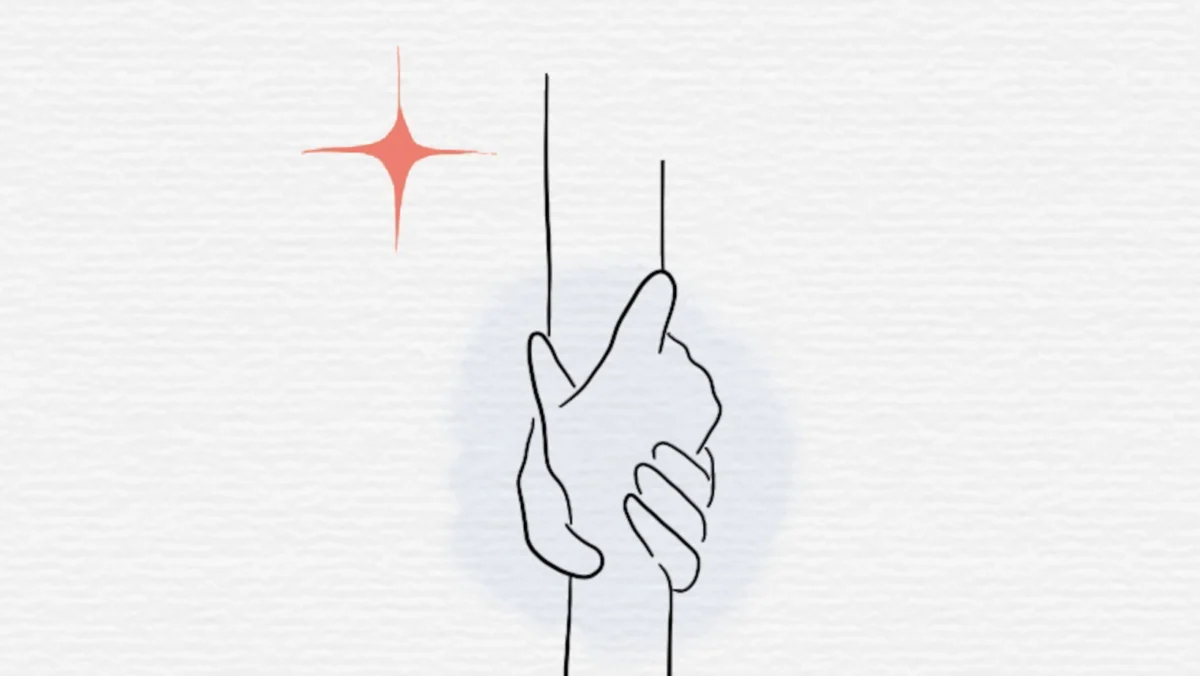
The takeaway from the Pediatric Pain Warrior Family Summer Camp is a poignant reminder for any caregiver: you do not have to carry the weight of the journey in isolation. Whether you are navigating the complexities of chronic pain or any other significant life hurdle, the most powerful tool in your arsenal is the ability to connect with those who have "walked the path."
Kari McBride’s story serves as a call to action—not to do more, but to accept more. It is an invitation to lean on the village, to recognize that asking for help (even if it’s just for a glass of water) can lead to the profound grace of being held. For the families at the camp, the greatest comfort is the knowledge that while their child’s pain may be chronic, their isolation does not have to be.
In the quiet of the health center, the message was clear: We have done this before. We will get through it again. And we are doing it together.