











EDITOR’S NOTE: This story includes discussion of suicide. If you or someone you know needs help, the national suicide and crisis lifeline in the U.S. is available by calling or texting 988.
The courtroom in Plymouth, Massachusetts, remains a space of profound sorrow and intense legal debate as the murder trial of Lindsay Clancy enters its second week. Clancy, a 35-year-old former labor and delivery nurse, stands accused of the January 2023 strangulation deaths of her three young children: five-year-old Cora, three-year-old Dawson, and eight-month-old Callan.
The proceedings have become a lightning rod for national discourse regarding maternal mental health, the limitations of the psychiatric system, and the thin, often invisible line between a "loving mother" and a person suffering from the grip of postpartum psychosis. As the trial progresses, the jury is tasked with deciding a fundamental question: Was Clancy a criminal who acted with premeditated intent, or a woman whose reality was shattered by a catastrophic medical condition?
The Testimony of the Nanny: A Portrait of a Struggling Mother
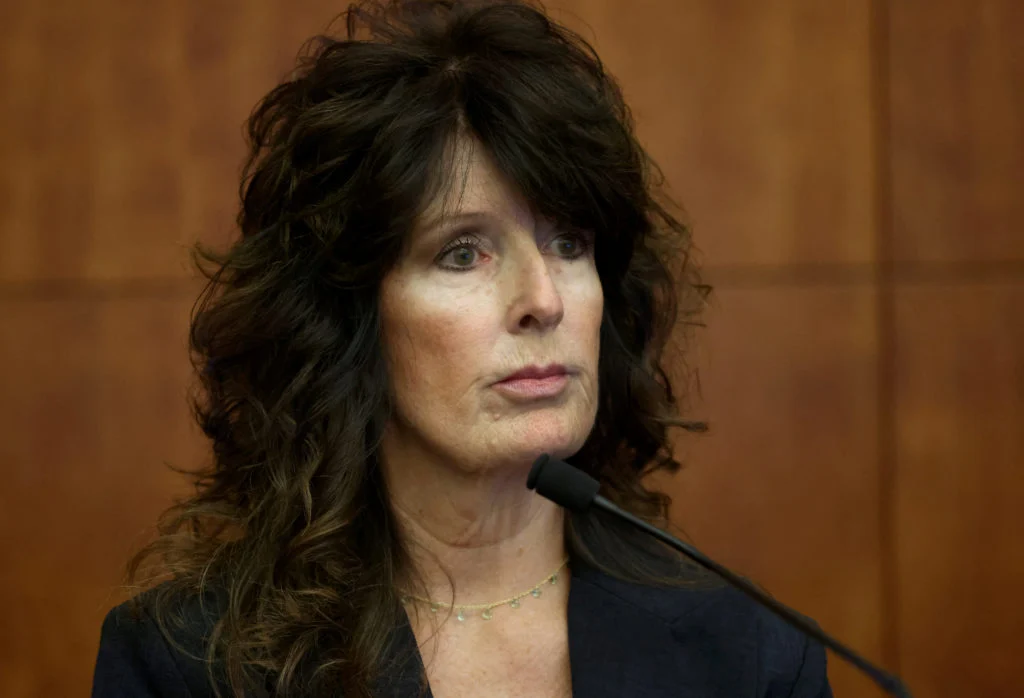
On the seventh day of the trial, the prosecution and defense both turned to the testimony of Elaine Rossi, who had served as the Clancy family’s nanny from September 2022 until December 2022. Rossi’s account provided a haunting look into the final months leading up to the tragedy.
Rossi described a household that, to the outside observer, appeared defined by love and care. "I observed a wonderful mom who loved her kids," Rossi told the jury. She recounted the individual personalities of the children—Cora, the "girly-girl" who gravitated toward arts and crafts; Dawson, the "rambunctious" and "silly" toddler; and baby Callan, whom she described as the "sweetest, happiest" infant.
However, beneath the surface of this domestic portrait, Rossi noted unmistakable signs of physical and mental decline. Clancy had experienced significant weight loss, was suffering from chronic insomnia, and had begun sleeping in the basement to escape the pressures of the upstairs nursery. Rossi testified that Clancy explicitly shared her struggles with postpartum mental health, and the nanny observed an increasing number of prescription bottles scattered throughout the home. Despite these observations, Rossi insisted she never sensed that Clancy posed a danger to herself or her children, characterizing her employer as a mother deeply concerned with her children’s safety and well-being.
Chronology of a Tragedy
The path to the events of January 24, 2023, is marked by a series of desperate journal entries and a medical history that the defense argues was ignored or mismanaged.
The Months of Despair (Late 2022)
Following the birth of Callan, Clancy’s journals—which were read aloud in court—chronicled a rapid descent into what she described as "brain fog." Her writings reveal a woman struggling with the impossible expectations of motherhood, the trauma of failing to breastfeed, and an overwhelming sense of disconnection from her children and her husband.
In a November 18, 2022, entry, Clancy wrote: "I’m so desperate to get a mental break from taking care of everyone that my mind is trying to find something physically wrong with me." By December, as she made the decision not to return to her nursing career, her entries reflected a life lived in increments, "moment to moment waiting for the next nap time."
The Night of the Killings (January 24, 2023)
On the night of the incident, prosecutors allege that Clancy acted with chilling intent. Following the deaths of her three children, Clancy attempted to take her own life by jumping from a second-story window. She survived the fall, but sustained injuries that left her paralyzed from the waist down. The prosecution’s theory rests on the idea that despite her mental health complaints, her actions were calculated and she should be held fully criminally responsible for the lives lost.
Supporting Data and Medical Complexity
The defense’s case hinges on the clinical argument that Clancy was suffering from undiagnosed bipolar disorder, exacerbated by a cocktail of psychiatric medications that were, according to her legal team, contraindicated for her condition.
The Role of Medication
Testimony from the state police crime lab confirmed that at the time of the killings, toxicology reports showed multiple prescription medications in Clancy’s system, including antipsychotics, antidepressants, and benzodiazepines. The defense argues that these substances, rather than stabilizing her, potentially worsened her mental state. The complexity of the medical evidence has turned the trial into a battle of experts, with the defense asserting that she was "overmastered" by postpartum psychosis—a condition that, while rare, causes a profound break from reality.
The Legal Framework of Responsibility
The legal stakes are absolute. If the jury finds that Clancy possessed the mental capacity to understand the nature of her actions, she faces life in prison without the possibility of parole. If, however, the defense successfully argues that she lacked criminal responsibility due to her psychological state at the time, she would be committed to a state mental health facility for treatment, effectively removing the punitive aspect of the verdict.
Official Responses and Public Discourse
The trial has prompted a wider discussion within the medical and legal communities about how society handles postpartum mental health crises. Health advocates have noted that "postpartum depression" is often used as a catch-all term, obscuring the far more dangerous and distinct condition of "postpartum psychosis," which involves hallucinations, paranoia, and delusions.
The prosecution has remained steadfast in its focus on the "intentionality" of the act, emphasizing that regardless of the mental health struggle, there was a point at which the actions became a series of choices. Conversely, the defense’s ongoing medical malpractice lawsuit against the doctors who treated her suggests a systemic failure to diagnose her bipolar disorder earlier, which they claim would have prevented the tragedy entirely.
Implications: A National Reckoning
The trial of Lindsay Clancy is more than a criminal case; it is a profound examination of the "invisible" ailments that affect mothers.
The Stigma of Maternal Mental Health
The diary entries read in court have provided a rare, raw window into the mind of a mother who felt she was failing. By highlighting her struggle to express her needs and the disconnect she felt from her family, the trial forces a dialogue on the shame often associated with maternal mental health. When mothers are encouraged to be "perfect," the stigma of acknowledging severe mental illness often prevents them from seeking the life-saving help they require.
Future Legal Precedents
The outcome of this case will undoubtedly influence future trials involving postpartum psychosis. Legal scholars are watching closely to see how the jury weighs the "diminished capacity" argument against the gravity of the crime. Will the jury find that a person can be a "wonderful mother" and a "murderer" at the same time? Or will the legal system accept that a brain in the throes of a psychotic episode is fundamentally disconnected from the concept of criminal intent?
As the trial moves toward its conclusion, the community remains divided. For some, the evidence of the murders is so profound that mental health explanations seem insufficient to justify the loss of three innocent lives. For others, the story of Lindsay Clancy is a warning—a reminder that when a mother’s mind is left to crumble in isolation, the consequences can be catastrophic for everyone involved.
The final verdict will not only determine the fate of Lindsay Clancy but will also leave a lasting mark on how the American judicial system approaches the intersection of severe psychiatric illness and the most heinous of crimes. For now, the jurors must continue to sift through the journals, the medical records, and the testimony of those who knew the family, attempting to find truth in the aftermath of an unimaginable tragedy.