










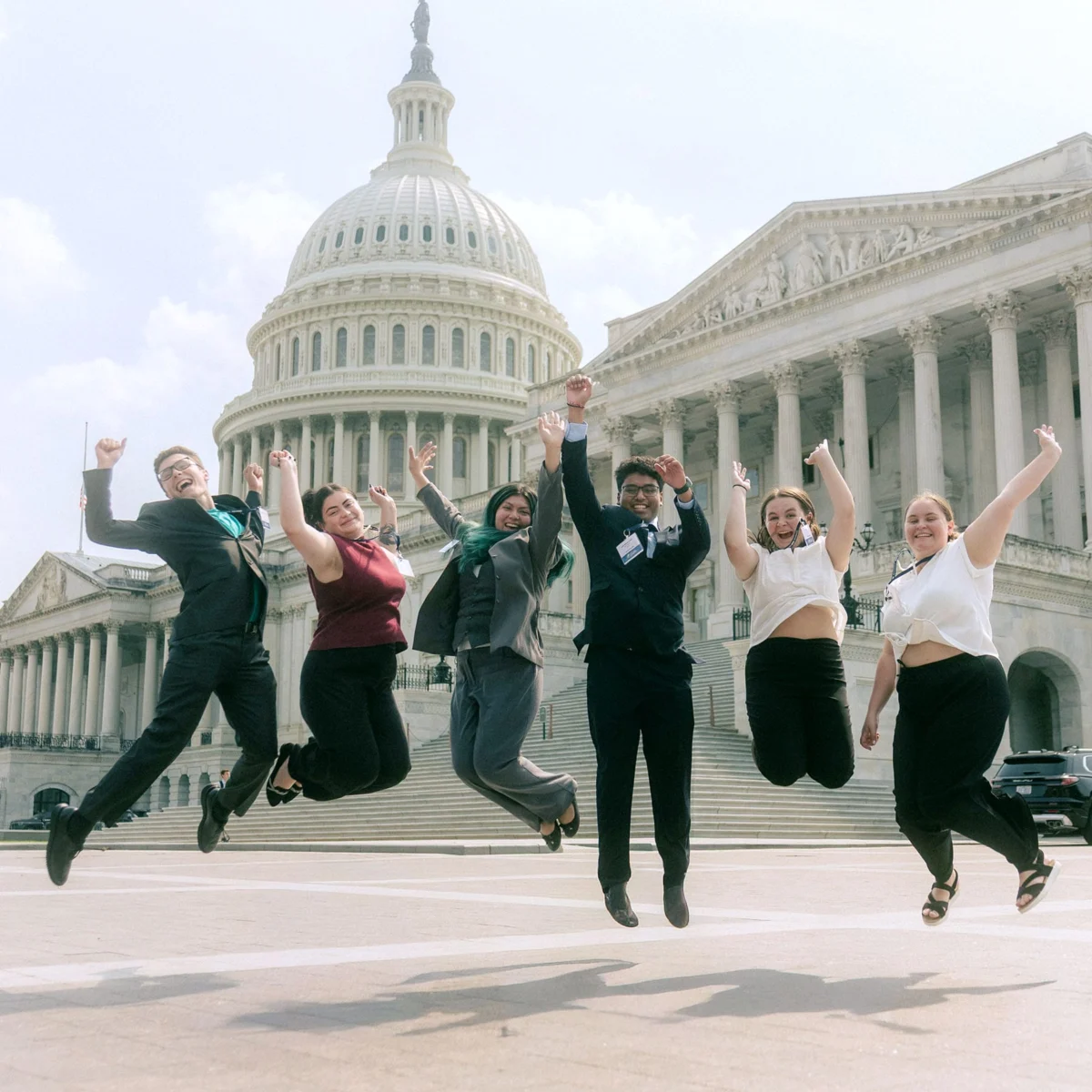
By bringing the "lived experience" of Gen Z and young Millennials directly to the halls of power, the mobilization aimed to move mental health from a peripheral social concern to a central pillar of federal policy. The day was defined by a series of high-level meetings with congressional offices, where young leaders urged lawmakers to bolster support systems and codify protections for a generation facing unprecedented psychological pressures.
I. Main Facts: A New Vanguard in Mental Health Advocacy
The inaugural Hill Day was not merely a symbolic gathering but a strategic legislative push. Active Minds, which has spent more than two decades building a presence on college campuses and in K-12 schools, successfully coordinated 132 individual meetings between youth advocates and congressional staff or members of Congress.
The primary objective was to humanize the data surrounding the youth mental health crisis. Advocates focused on two specific, actionable policy goals:
- Increased Visibility of the 988 Suicide & Crisis Lifeline: Urging federal support for mandates or incentives to include the 988 number on all student identification cards nationwide.
- Strengthening the Garrett Lee Smith Campus Suicide Prevention Grant Program: Advocating for increased funding and the expansion of this program to prioritize student-led outreach and early intervention frameworks.
The timing of the event was intentionally symbolic, falling on the anniversary of the national launch of the 988 Lifeline. By aligning their presence with this anniversary, advocates highlighted the progress made in crisis intervention while emphasizing the significant gaps that remain in preventative care and peer-to-peer support.
II. Chronology of a Milestone: From the Briefing Room to the Senate Floor
The events of July 16th followed a meticulously planned trajectory designed to maximize the impact of youth voices on federal decision-makers.
Morning: Briefing and Mobilization
The day began with intensive briefing sessions where advocates, many of whom were visiting Washington for the first time, were trained in the nuances of legislative communication. These sessions focused on "narrative-driven advocacy"—the art of weaving personal mental health journeys into policy arguments to ensure that statistics are backed by human faces.
Midday: The "Hill Day" Blitz
By noon, the halls of the Rayburn, Longworth, and Cannon House Office Buildings, along with the Russell and Hart Senate Office Buildings, were filled with young leaders. The 132 meetings spanned the political spectrum, reflecting Active Minds’ stance that mental health is a non-partisan human right. Advocates shared stories of campus tragedies, the struggles of navigating underfunded counseling centers, and the life-saving impact of peer support networks.
Afternoon: The Active Minds Mental Health Conference
Following the legislative meetings, the focus shifted to the Active Minds Mental Health Conference. This summit served as a professional development and community-building hub. It featured prominent voices in the movement, including Sadie Sutton, host of the She Persisted podcast, and Hailey Hardcastle, a renowned mental health advocate and TED speaker known for her work in passing "mental health day" laws for students.
Evening: Celebration and Momentum
The day concluded with a high-energy performance by artist Be Steadwell, designed to provide a space for "joyful resistance" and community healing. The evening served as a reminder that while the work of advocacy is serious, the sustainability of the movement depends on the well-being and morale of the advocates themselves.
III. Supporting Data: The Crisis Fueling the Movement
The urgency of the Hill Day mobilization is underscored by a sobering array of data regarding the state of youth mental health in America. For over a decade, trends have shown a steady decline in the psychological well-being of young people, a trend exacerbated by the COVID-19 pandemic and the ubiquity of social media.
- The Suicide Epidemic: According to the Centers for Disease Control and Prevention (CDC), suicide remains the second leading cause of death for individuals aged 10–24.
- The 988 Efficacy: Since the transition to the easy-to-remember 988 number in 2022, call volumes have surged, yet awareness among college-aged students remains inconsistent. Active Minds argues that placing the number on student IDs—a tool every student carries—could reduce the barrier to seeking help during a crisis.
- The Funding Gap: The Garrett Lee Smith Memorial Act, originally signed into law in 2004, was the first federal bill to specifically target youth suicide prevention. However, advocates point out that the funding for the Campus Suicide Prevention Grant Program has often lagged behind the actual demand, with many institutions lacking the resources to implement comprehensive, student-led mental health programs.
Active Minds’ own research suggests that peer-to-peer interaction is the most effective way to encourage help-seeking behavior. Their data indicates that students are significantly more likely to turn to a peer than a professional during the early stages of a mental health struggle, reinforcing the need for the "student-led" focus of the Garrett Lee Smith grants.
IV. Official Responses: Lived Experience as Policy Evidence
The leadership of Active Minds and the advocates on the ground emphasized that the presence of young people in Washington is a necessary correction to a system that often talks about youth without talking to them.
Alison Malmon, Founder and Executive Director of Active Minds, reflected on the day’s significance:
"Watching hundreds of young people walk the halls of Congress today reaffirmed what we’ve known for more than two decades: when youth lead, change follows. They brought the stories of their communities into the rooms where decisions are made, reminding policymakers that mental health isn’t a political issue—it’s a human one."
Malmon, who founded the organization after the tragic loss of her brother to suicide, noted that this Hill Day represented a "new chapter" in the organization’s 23-year history—one that moves from raising awareness to demanding structural change.
Anika Rahman, Director of Policy at Active Minds, highlighted the strategic importance of the timing and the volume of engagement:
"It was an honor to host our Mental Health Hill Day on the anniversary of the launch of 988… Today’s conversations reinforced my belief that young people should be the narrators of their own stories. Their lived experiences, backed by real data and youth-driven solutions, are the most powerful force for shaping the future of mental health policy. By bringing their voices directly to Capitol Hill, our youth and young adults had a total of 132 meetings. That is the power of mobilizing."
Congressional staffers reportedly noted the "professionalism and poignancy" of the youth delegations, with several offices expressing a renewed interest in co-sponsoring legislation related to campus mental health resources.
V. Implications: The Future of Youth-Driven Policy
The success of the inaugural Hill Day suggests a shift in the American mental health movement. We are moving away from a model of "awareness" and toward a model of "accountability."
1. The Shift to Prevention
By focusing on the Garrett Lee Smith grants, advocates are pushing the federal government to move upstream. While the 988 Lifeline is a vital "safety net" for those in immediate crisis, the expansion of campus-based programs focuses on "early intervention," aiming to reach students before they reach a point of crisis.
2. Standardizing the Safety Net
The push for 988 on student IDs represents a move toward national standardization. Currently, mental health support on campuses is a "zip code lottery," where the quality of care depends on the endowment of the university or the legislative priorities of the state. Federal mandates for ID inclusion would create a baseline of safety for every student in the country.
3. Cultivating the Next Generation of Civic Leaders
Beyond the specific legislative asks, the Hill Day served as a training ground for a new generation of lobbyists. By teaching young people how to navigate the complexities of federal policy, Active Minds is ensuring that mental health advocacy will remain a potent force in Washington for decades to come.
4. A Call to Action for the 118th Congress
The momentum generated on July 16th puts pressure on the current Congress to include robust mental health provisions in upcoming budget cycles. As the nation grapples with a shortage of mental health professionals, the advocates’ emphasis on "peer-to-peer" models provides a cost-effective, scalable solution that lawmakers are finding increasingly attractive.
As the advocates returned to their respective communities across the country, the message left behind in Washington was clear: the youth mental health crisis is not a temporary trend, and the voices of those living through it will no longer be excluded from the halls of power. The inaugural Active Minds Hill Day was not an end point, but the beginning of a sustained, youth-led movement to ensure that mental health is valued, prioritized, and funded as a fundamental component of the American promise.