










The art of the perfect stew is often misunderstood. Many home cooks approach the stove with the assumption that a long simmering time is the only requirement for success. However, according to Jorge Thomas, the expert chef and founder of Swaledale Butchers, the fate of your stew is sealed long before you reach for the salt or turn on the heat. The true secret to a dish that is deeply flavorful, rich, and fall-apart tender lies entirely in the selection of the raw meat.
In an industry where convenience often trumps quality, Thomas warns against the common pitfall of buying pre-packaged "stew meat." While these uniform, lean cubes of beef may save a few minutes of prep time, they are the primary culprits behind dry, disappointing results. To achieve a restaurant-quality stew that boasts a velvet-like sauce and succulent meat, you must look beyond the convenience aisle.
The Foundation of Flavor: Understanding Meat Structure
To understand why certain cuts outperform others in a Dutch oven, one must look at the biology of the animal. Stewing is a process of transformation. Unlike a steak, which is prized for its lean tenderness and quick-cooking capabilities, a stew relies on the slow breakdown of collagen—a structural protein found in connective tissue—into gelatin.
When collagen is subjected to gentle, sustained heat in a liquid environment, it melts into a silky, viscous substance. This gelatin is what gives a stew its "body" and "mouthfeel," transforming a thin, watery broth into a rich, coating sauce. If you choose a cut that is too lean, there is no collagen to break down and no intramuscular fat to keep the muscle fibers moist. The result is a pot of stringy, desiccated protein. As Thomas puts it, "For stew, you want fat, collagen, and a cut that has done some work."
The Pitfall of Convenience: Why "Stew Meat" Fails
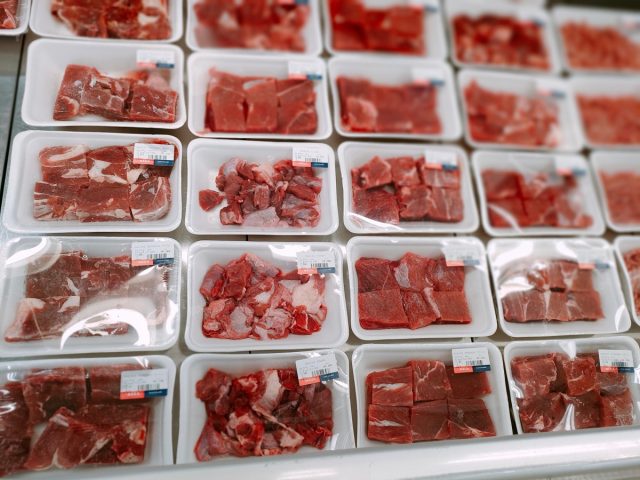
The modern supermarket experience is designed for speed, and nowhere is this more evident than in the meat department. Pre-cut, diced beef is a staple of the average grocery store, but professional butchers caution against them.
The issue is twofold: uniformity and quality. When meat is pre-cut by machines or high-volume processors, it is often trimmed of the very elements that make a stew successful—the fat caps, the connective tissues, and the marbling. Furthermore, these packs are frequently comprised of a hodgepodge of different muscles, meaning they will cook at inconsistent rates. Some pieces may turn to mush before others have even begun to tenderize. By selecting a whole piece of meat and butchering it yourself, you ensure consistency in size and quality, allowing for a more even, professional result.
The Butcher’s Recommendations: Four Cuts for Excellence
If you want to move beyond the average, Thomas identifies four specific cuts that represent the gold standard for long-cooked, braised dishes.
1. Beef Chuck: The Reliable Workhorse
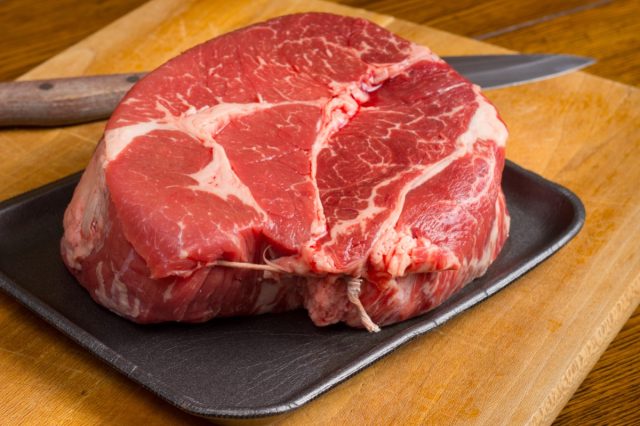
For most home cooks, beef chuck is the undisputed champion of the stew pot. Derived from the shoulder area of the cow, this muscle does a significant amount of "work" during the animal’s life, which results in a high concentration of connective tissue.
"Beef chuck is where I’d send most people," says Thomas. "It has fat, flavor, and enough structure for a long cook." The balance between its marbling and the density of its fibers makes it incredibly forgiving. Whether you are simmering it for three hours or four, chuck rarely loses its integrity, maintaining a tender, shredded texture that absorbs the nuances of your broth, red wine, or mirepoix.
2. Beef Shin: The Collagen Powerhouse
If you are aiming for a stew with a luxurious, deep, and sticky mouthfeel, beef shin (also known as beef shank) is the superior choice. This cut is arguably the most "worked" muscle on the cow, meaning it is packed with collagen.
While it requires patience, the payoff is unparalleled. As the collagen slowly liquefies during a long, low-temperature simmer, it creates a naturally thickened sauce that no amount of cornstarch or flour can replicate. "Beef shin is even better if you’re patient," Thomas explains. "All that collagen breaks down slowly and gives the sauce body. Lean beef will never do that in the same way."
3. Short Ribs: The Luxurious Indulgence
When the occasion calls for something more sophisticated than a weeknight meal, short ribs are the premier choice. The presence of the bone is a significant advantage in any braise. As the meat cooks, the marrow and bone juices leach into the stew, adding a depth of flavor that is remarkably complex.
The combination of intense intramuscular fat and the proximity to the bone ensures that the meat remains moist and succulent throughout the cooking process. Short ribs are the ideal choice for those who want to build a "luxury" stew—something that feels substantial, indulgent, and visually impressive on the plate.
4. Lamb Shoulder: The Versatile Classic
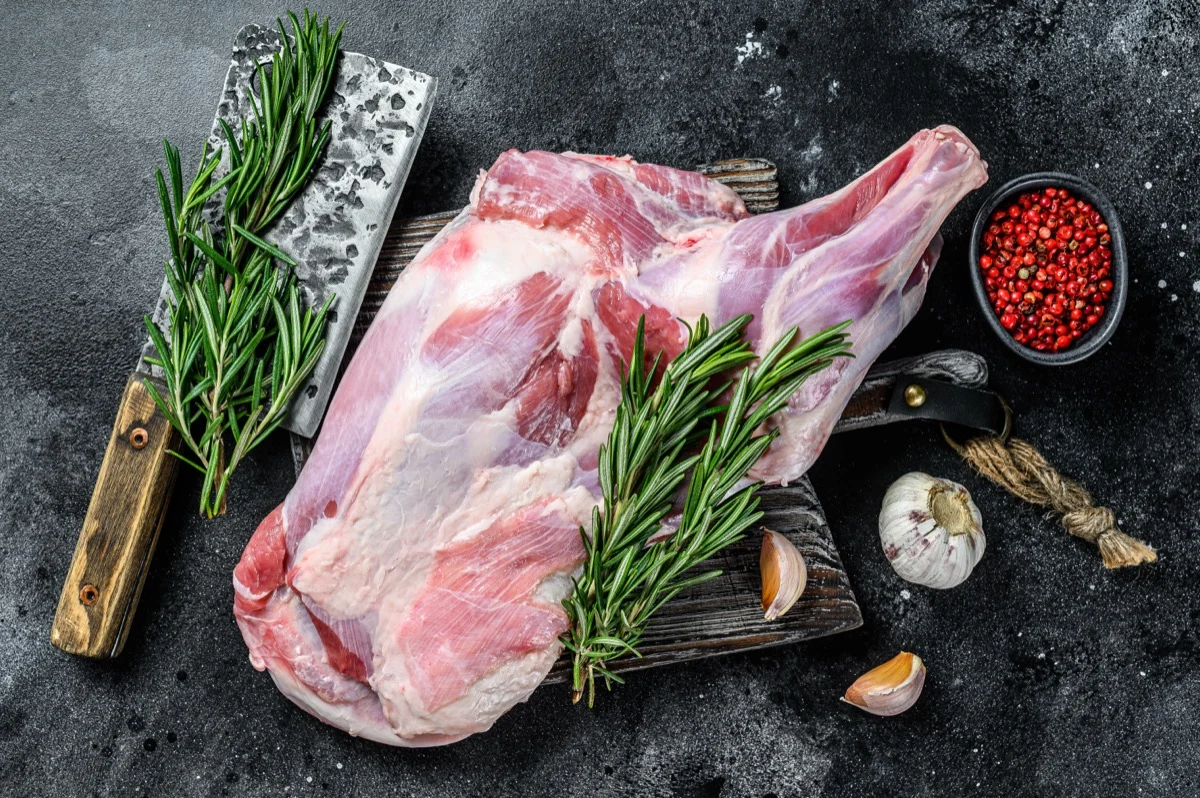
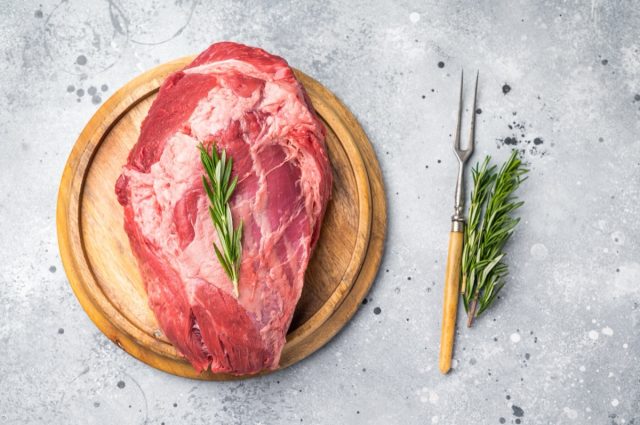
Lamb stew requires a different approach, and the shoulder is the definitive cut for this preparation. Unlike the leg, which is a leaner muscle intended for roasting, the shoulder carries the necessary fat content to withstand the rigors of a slow braise.
Lamb shoulder is remarkably versatile. It holds up well against robust aromatics like garlic, fresh rosemary, and thyme, and it pairs beautifully with acidic components like tomatoes or red wine. "Lamb shoulder is the one I’d use for lamb stew, rather than leg," says Thomas. "It can go in a lot of directions."
Chronology of a Perfect Stew
To put these expert recommendations into practice, consider this chronological approach to your cooking process:
- Phase 1: The Selection (24 hours prior). Visit a reputable butcher. Avoid the pre-cut trays. Select a fresh piece of chuck, shin, or shoulder.
- Phase 2: Preparation (1 hour prior). Trim your meat into large, uniform cubes—about 1.5 to 2 inches. Large chunks prevent the meat from drying out during the long simmer.
- Phase 3: The Sear (20 minutes). Pat the meat completely dry. Sear it in a hot, heavy-bottomed pan in small batches. The Maillard reaction—the browning of the surface—is where the primary flavor of the base is formed.
- Phase 4: The Build (30 minutes). Remove the meat and sauté your aromatics (onions, carrots, celery) in the rendered fat. Deglaze the pan with wine or stock to capture the "fond" (the browned bits on the bottom of the pot).
- Phase 5: The Simmer (3–4 hours). Return the meat to the pot, add your liquid, and cover. Keep the heat at a bare simmer—just an occasional bubble. This is where the collagen-to-gelatin conversion occurs.
- Phase 6: The Rest (30 minutes). A stew is almost always better the next day. Resting allows the fibers to relax and the flavors to meld.
Implications for the Home Cook
The shift from buying "convenient" meat to "proper" meat changes the fundamental nature of the dish. A stew made with chuck or shin is not merely a method of heating up ingredients; it is a chemical process that results in a fundamentally different culinary product.
By focusing on these specific cuts, the home cook is no longer fighting against the ingredients to achieve tenderness. Instead, they are working in harmony with the natural properties of the meat. This shift in perspective—viewing the butcher as a collaborator rather than a supplier—is the mark of a seasoned cook.
Ultimately, the lesson provided by Thomas is one of patience and discernment. In an age of instant gratification, the humble stew remains a reminder that some of the best things in life cannot be rushed. Whether you are preparing a traditional beef chuck stew or a more experimental lamb shoulder variation, the secret remains the same: choose the right cut, trust the process, and let the collagen do the work for you. By avoiding the supermarket shortcuts, you are not just making a meal; you are mastering a craft.