The release of the 2025–2030 Dietary Guidelines for Americans (DGAs) marks a significant moment in the intersection of public health policy and national nutrition. Promoted with the catchy, consumer-friendly tagline "Eat Real Food," the document arrives with a stated commitment to curbing the intake of added sugars and highly processed items. However, beneath this polished exterior lies a complex and, according to many public health experts, contradictory framework that has ignited a firestorm of debate.
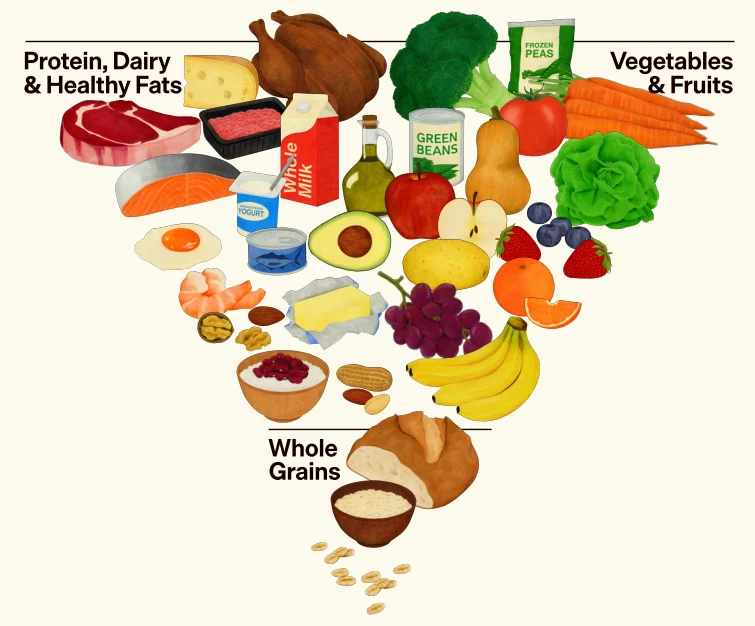
While the new guidelines make long-overdue strides in addressing the "highly processed" epidemic, they have simultaneously introduced a new visual aid—a "flipped" pyramid—that prioritizes animal-based foods like steak, butter, and full-fat dairy. This visual shift has left nutrition scientists and the public alike questioning the integrity of the guidance, especially as it relates to the long-standing scientific consensus on saturated fat and cardiovascular health.
Main Facts: What the New Guidelines Propose
The 2025–2030 DGAs are the latest iteration of the federal government’s attempt to provide a roadmap for healthy eating. The core tenets of this edition include:
- A War on "Highly Processed" Foods: For the first time, the DGAs explicitly target the broad category of "highly processed" foods. The guidance encourages a move away from sugar-sweetened beverages, refined carbohydrates (like white bread), and packaged snacks.
- Stricter Sugar Limits: The document takes a hard line on added sugars, suggesting that no amount of added or non-nutritive sweetener is part of a healthy diet. It introduces a challenging goal of limiting added sugars to under 10 grams per meal and advises that children avoid added sugars entirely until the age of 10.
- The Protein Pivot: The guidelines suggest a significant increase in recommended protein intake, moving to 1.2 to 1.6 grams per kilogram of body weight—a substantial jump from previous minimums.
- The Saturated Fat Paradox: Despite the visual promotion of high-fat animal products in the new "New Food Pyramid," the text of the guidelines technically retains the upper limit of 10% of total daily calories from saturated fat.
Chronology: The Road to the 2025-2030 Guidelines
The development of the DGAs is traditionally a rigorous, multi-year process. Every five years, the U.S. Departments of Agriculture (USDA) and Health and Human Services (HHS) oversee the creation of these guidelines, relying on a Dietary Guidelines Advisory Committee (DGAC)—a panel of independent experts.
- Evidence Synthesis: The DGAC spends two years reviewing the state of nutrition science, conducting systematic reviews, and compiling a comprehensive scientific report.
- The Divergence: In a highly unusual move for the 2025–2030 cycle, the administration rejected the original report submitted by the independent DGAC.
- The Supplemental Process: Following the rejection, a "supplemental scientific analysis" was conducted by a group of individuals selected via a federal contracting process rather than the traditional committee structure.
- Publication: The final guidelines were released this week, incorporating findings from this supplemental process, which critics argue lacks the transparency and rigorous peer-review standards of previous cycles.
Supporting Data: The Math of Saturated Fat
The most glaring discrepancy in the new guidelines is the "saturated fat math." If the government continues to recommend a limit of 10% of daily calories from saturated fat, but simultaneously promotes a pyramid featuring steak, cheese, and butter, is the goal achievable?
Consider a standard 2,000-calorie diet. The 10% limit equates to approximately 22 grams of saturated fat. If an individual follows the DGAs’ recommendation of three daily servings of dairy—selecting, for example, one cup of whole milk (5g), three-quarters of a cup of full-fat Greek yogurt (6g), and one ounce of cheddar cheese (6g)—they have already reached 17 grams of saturated fat.
Adding just one tablespoon of butter or beef tallow for cooking adds another 6–7 grams, pushing the individual over their daily limit before they have even consumed their primary protein source or any other food throughout the day. This creates a functional impossibility for the average consumer, who is given the "go-ahead" by the pyramid’s imagery to consume foods that make the "10% rule" mathematically unreachable.
Official Responses and Expert Critique
The scientific community has been vocal in its skepticism. Dr. Frank Hu, chair of the Department of Nutrition at the Harvard T.H. Chan School of Public Health, has expressed deep concern regarding the "mixed messages" delivered by the new guidelines.
"I think the new Guidelines move in the right direction by reinforcing the importance of reducing added sugars and cutting back on refined grains," Dr. Hu noted. "However, there appear to be several contradictions within the DGAs and between the DGAs and the new pyramid. The mixed messages surrounding saturated-fat-rich foods such as red meat, butter, and beef tallow may lead to confusion and potentially higher intake of saturated fat and increased LDL cholesterol."
Furthermore, the lack of transparency in the writing process has drawn sharp criticism. Deirdre Tobias, who served on the 2025–2030 DGAC, pointed out that the methodology used in the supplemental analysis deviates from established standards. "There is no transparency in the methodology and rigor that was employed, or why certain topics were selected to be relitigated," Tobias stated.
Independent reports have also highlighted that several individuals involved in the supplemental analysis have disclosed financial ties to the beef and dairy industries, raising questions about potential conflicts of interest in the final document’s visual and written emphasis on these commodities.
Implications for Public Health
The implications of these guidelines are far-reaching. Dietary guidelines serve as the foundation for school lunch programs, military rations, and federal food assistance programs. If the guidance is confusing or scientifically inconsistent, the health of millions of Americans may be at stake.
1. The Confusion of "Protein Packages"
The guidelines urge higher protein intake without clearly distinguishing between sources. Nutrition science increasingly emphasizes the "protein package"—the fiber, healthy fats, and vitamins that come alongside a protein source. While fish and plant-based proteins offer protective benefits, the new guidelines treat them as interchangeable with red meat. This failure to differentiate can lead to higher cardiovascular risk for those who prioritize animal-based, high-saturated-fat proteins.
2. The Environmental Omission
Critics are also concerned that the DGAs completely ignore the environmental impact of food production. As the global climate crisis intensifies, the connection between dietary choices and planetary health has become a focal point of modern nutrition. By excluding sustainability from the conversation, the guidelines remain tethered to an outdated, commodity-centric view of food.
3. Alcohol and Vague Messaging
On the topic of alcohol, the guidelines offer the vague advice to "consume less." In an era where clear, actionable health data is expected, the absence of specific, evidence-based limits on alcohol consumption serves as another example of the document’s retreat from clarity.
Conclusion: How Should Consumers Respond?
The 2025–2030 Dietary Guidelines for Americans, while well-intentioned in their stance against sugar and ultra-processed foods, ultimately fall short of providing a cohesive, science-backed roadmap for the public. The visual emphasis on saturated-fat-heavy animal products directly undermines the very health goals the government claims to support.
For the average American, navigating these contradictions is difficult. When official government guidance is muddled, the best defense is to rely on established, independent nutritional science. Organizations such as the Harvard T.H. Chan School of Public Health continue to promote the "Healthy Eating Plate," which provides a balanced approach—prioritizing vegetables, fruits, whole grains, and healthy plant oils over the high-saturated-fat options promoted by the new government pyramid.
As the nation digests these new guidelines, one thing remains clear: the path to optimal health is rarely found in the lobbying-influenced corridors of policy, but rather in the consistent, evidence-based habits of the individuals themselves. If you find yourself confused by the new government advice, consulting a registered dietitian or turning to independent, peer-reviewed resources remains the most effective way to ensure your diet supports, rather than hinders, your long-term health.