





For decades, the public health establishment has operated under a common-sense assumption: if we want to curb the global obesity epidemic, we must break our collective addiction to sweetness. Dietary guidelines from the World Health Organization (WHO) and various national health boards have long urged citizens to reduce their intake of sweet-tasting foods, suggesting that these cravings reinforce unhealthy eating patterns and contribute to metabolic decline.
However, a groundbreaking six-month clinical trial published in the American Journal of Clinical Nutrition is now challenging this foundational pillar of nutritional advice. Researchers from Wageningen University and Research in the Netherlands and Bournemouth University in the UK have discovered that manipulating the level of sweetness in a diet does not alter a person’s preference for sweet tastes, nor does it provide the anticipated cardiovascular or metabolic benefits.
The Core Findings: Sweetness vs. Nutrition
The study, which tracked 180 participants over half a year, suggests that the "sweetness" of a food is a poor proxy for its health impact. By categorizing participants into three distinct groups—those consuming high, low, and average levels of sweet-tasting foods—the researchers were able to isolate the sensory experience of sweetness from the nutritional profile of the foods themselves.
The results were striking: after six months, there were no meaningful differences in weight, blood markers for diabetes, or cardiovascular health indicators among the three groups. Furthermore, the participants’ subjective enjoyment of sweetness remained unchanged. Those who consumed low-sweetness diets did not experience a "reset" of their taste buds, nor did those on high-sweetness diets develop a stronger craving for sugar.
A Chronology of the Research
The study was meticulously designed to observe the long-term effects of dietary shifts. The timeline of the trial was structured to capture both immediate reactions and sustained behavioral changes:
- The Recruitment Phase: Researchers recruited 180 individuals, ensuring a diverse demographic to represent various baseline dietary habits. Participants were randomly assigned to one of three cohorts: high-sweetness intake, low-sweetness intake, or a control group consuming average levels of sweetness.
- The Intervention (Months 1–6): Throughout the trial, participants adhered to their assigned dietary profiles. Crucially, the "sweetness" source was varied. It included natural sugars (such as those found in fruit), low-calorie sweeteners, and added sugars. This was a deliberate choice to distinguish between the sensation of sweetness and the nutritional density of the food.
- Data Collection Intervals: At one, three, and six months, the research team conducted rigorous testing. This included psychophysical assessments to measure taste preference and perception, as well as biological sampling (blood and urine) to track metabolic health markers.
- Post-Trial Observation: Upon the conclusion of the six-month period, researchers observed a "reversion effect." Most participants naturally drifted back to their original, pre-study levels of sweet food consumption, suggesting that taste preference is a deeply ingrained biological trait rather than a fleeting habit that can be easily "unlearned."
Supporting Data and Methodology
To ensure the validity of their findings, the researchers looked beyond simple weight fluctuations. They analyzed specific biomarkers associated with insulin sensitivity, glucose metabolism, and lipid profiles—the primary drivers of metabolic disease.
The study highlighted a critical distinction: the sensory profile of a food (sweetness) is frequently disconnected from its caloric or nutrient content. For example, a piece of fresh fruit provides vitamins, fiber, and essential minerals alongside natural sugars, whereas a highly processed snack might be engineered to be less sweet while containing a massive caloric load derived from fats and refined additives.
The data revealed that simply lowering the intensity of sweet taste in a diet—often done by replacing sugar with artificial sweeteners or reducing sweet-tasting ingredients—did not lead to the health outcomes often promised by restrictive diet plans. Even more importantly, the "sweetness" of the diet was not a predictive factor for the participants’ metabolic health. This evidence provides a compelling argument that public health policies have been targeting the wrong sensory attribute.
Official Responses and Expert Perspectives
Professor Katherine Appleton, a lead author of the study and a Professor in Psychology at Bournemouth University, has been vocal about the implications of these findings.
"People have a natural love of sweet taste, which has led many organizations to offer dietary advice on reducing the amount of sweetness in our diets altogether," Professor Appleton stated. "However, our results do not support this advice, which does not consider whether the sweet taste comes from sugar, low-calorie sweeteners, or natural sources."
The research team argues that the current focus on "sweetness" as a primary dietary villain is an oversimplification. By focusing on the taste, health organizations may be distracting consumers from the more significant, invisible threats: energy-dense, highly processed foods that offer poor nutritional value regardless of how they rank on a sweetness scale.
The study has prompted a quiet but significant stir in the nutritional science community. While the WHO and other major health bodies emphasize limiting free sugars, the researchers suggest that the conversation needs to shift toward "nutritional quality."
Implications for Public Health Policy
The findings of this study do not suggest that people should increase their sugar intake. Rather, they suggest that the "sweetness" of a diet is not the enemy it is portrayed to be. Instead, the focus should be on the source of the calories and the density of the food.
1. Moving Beyond "Sweetness"
Public health campaigns have historically relied on simplified messaging, such as "reduce sugar intake to lose weight." While reducing sugar is generally beneficial, the study implies that removing the taste of sweetness—by substituting it with non-nutritive sweeteners or bland diets—does not solve the underlying issue of unhealthy consumption. If a person swaps a sugary soda for a diet soda, they may be reducing their calorie intake, but if they continue to consume energy-dense, nutrient-poor processed foods, they are not addressing the fundamental drivers of obesity.
2. The Danger of Energy-Dense Foods
The study highlights that many processed foods are not necessarily sweet but are "energy-dense." These foods, often high in fats and refined carbohydrates, are designed to be palatable and are frequently consumed in large quantities. The research suggests that a more effective public health strategy would be to educate consumers on identifying these energy-dense items, rather than focusing on whether a product tastes sweet.
3. Rethinking Behavioral Intervention
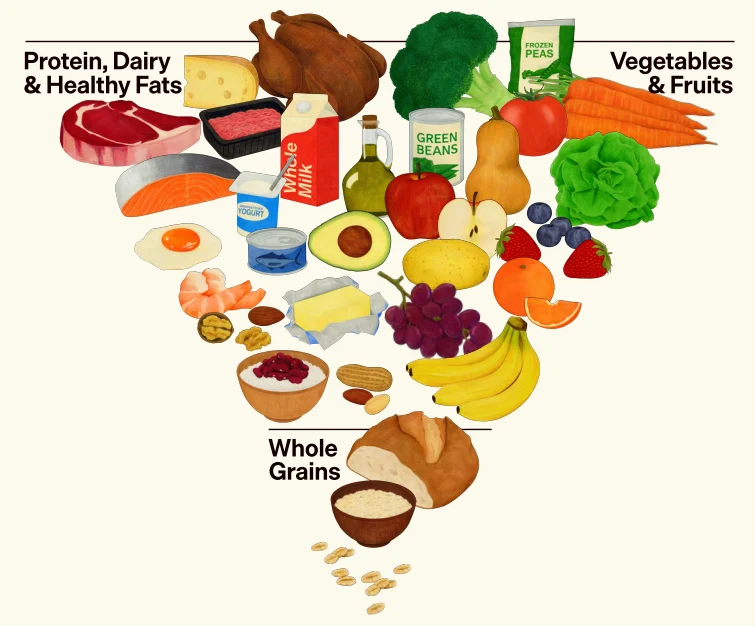
The observation that participants returned to their previous dietary habits once the trial ended suggests that "dieting" by restricting taste is largely ineffective. Taste preferences are influenced by a complex interplay of biology, culture, and early-life exposure. Trying to "train" someone to dislike sweetness may be an exercise in futility. Instead, the study advocates for a more nuanced approach: focusing on food quality and the consumption of whole, nutrient-rich foods that naturally satisfy the body’s physiological needs.
Conclusion: A New Path for Nutritional Guidance
As the obesity crisis continues to impact global health, the pressure on policymakers to provide clear, actionable advice is immense. However, this study from Wageningen and Bournemouth Universities suggests that our current roadmap may be flawed.
By conflating "sweetness" with "unhealthiness," we may be missing the forest for the trees. The scientific evidence now points to a more complex reality: health is not determined by the presence of a sweet flavor, but by the nutrient profile of the food we consume. As researchers continue to explore the biological underpinnings of taste and appetite, it is becoming increasingly clear that the path to a healthier society lies not in the rejection of sweet tastes, but in a more sophisticated understanding of nutrition and a rejection of the highly processed, energy-dense foods that currently dominate the modern diet.
For the average consumer, the message is one of empowerment: enjoy your fruit and your balanced meals. Do not fear the taste of sweetness; instead, remain vigilant about the nutritional quality of your food. The future of public health policy may well depend on our ability to distinguish between what our taste buds crave and what our bodies truly need.