




For decades, the public health narrative surrounding lung cancer has been tethered to a single, powerful catalyst: tobacco. While smoking remains the primary driver of lung cancer globally, a shifting epidemiological landscape is forcing a re-evaluation of how we view this disease. An alarming and growing percentage of diagnoses are now occurring in individuals who have never touched a cigarette.
Researchers are now classifying "Lung Cancer in Never-Smokers" (LCINS) not merely as an anomaly, but as a distinct biological entity. This paradigm shift—driven by unique genetic drivers, diverse environmental triggers, and distinct clinical profiles—demands a new approach to screening, diagnostics, and patient care.
Main Facts: A Disease Beyond Tobacco
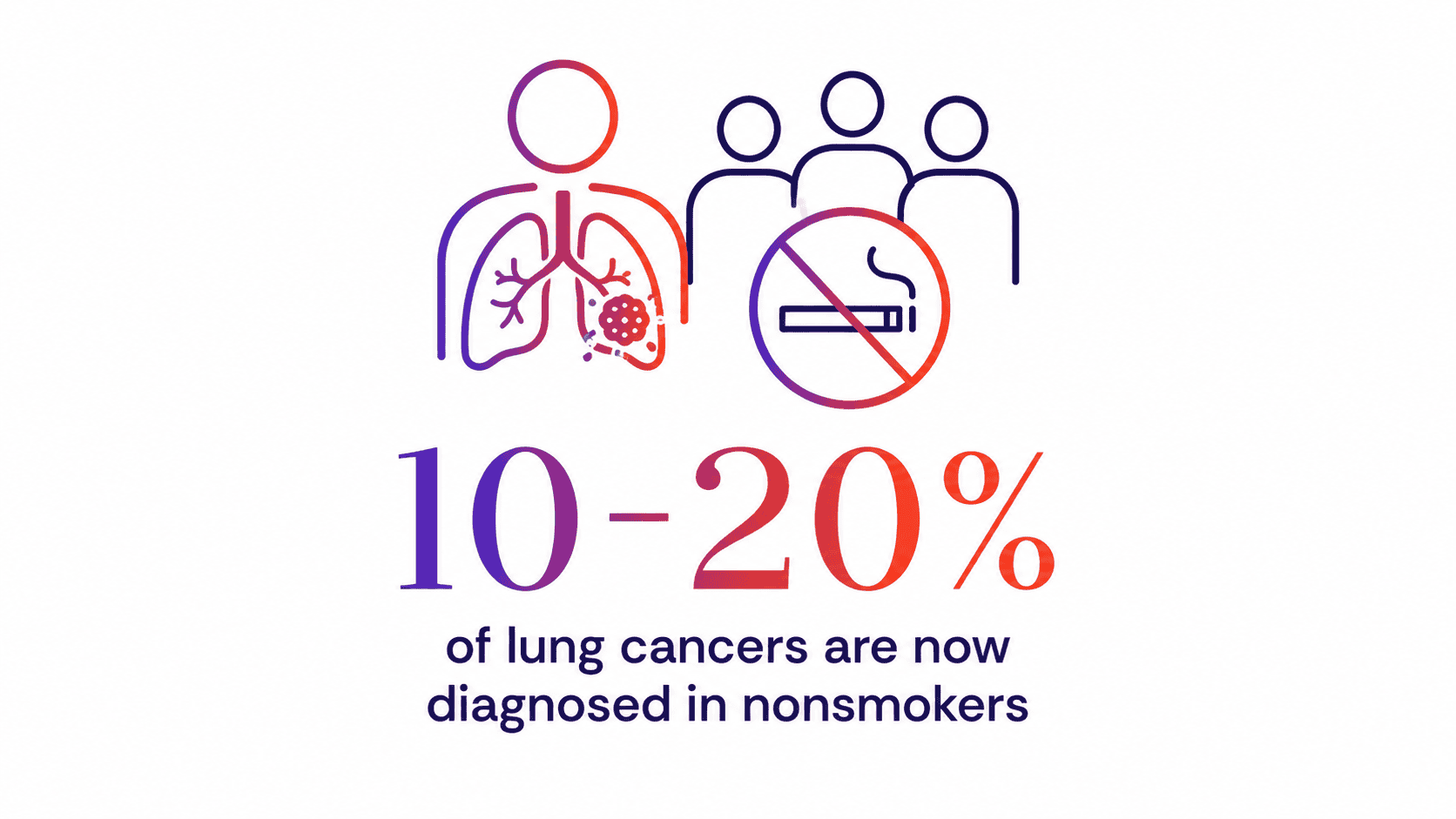
Recent data indicates that approximately 10% to 20% of all lung cancer cases are diagnosed in people who have never smoked. This is no longer a fringe statistic; if lung cancer in never-smokers were classified as its own cancer type, it would rank among the most common cancers worldwide.
Unlike smoking-related lung cancer, which is typically characterized by high "tumor mutational burden"—a consequence of thousands of chemical-induced DNA mutations—LCINS is often fueled by a smaller, more specific set of "driver" mutations. These tumors are biologically distinct, often appearing as adenocarcinomas, the most common subtype of non-small cell lung cancer (NSCLC). Furthermore, the demographic profile of this group is shifting; LCINS disproportionately affects women, particularly those of Asian descent, suggesting an intricate interplay between inherited genetic susceptibility and environmental factors.
A Chronology of Discovery
The medical community’s understanding of LCINS has evolved through three distinct phases:
- The Era of Tobacco Dominance (1950s–1990s): Lung cancer was almost exclusively studied through the lens of smoking cessation. Clinical trials were built on the premise that all lung cancers shared similar biological mechanisms.
- The Genomic Turning Point (2000s–2015): The advent of precision medicine allowed researchers to sequence tumor DNA. Scientists discovered that many nonsmokers with lung cancer possessed specific mutations, such as EGFR (Epidermal Growth Factor Receptor) or ALK (Anaplastic Lymphoma Kinase) translocations. These findings proved that these tumors were not just "less severe" versions of smoker’s lung cancer, but fundamentally different molecular diseases.
- The Environmental Awareness Phase (2016–Present): With the rise of global urbanization and climate change, researchers have identified a clear correlation between rising air pollution levels, wildfire activity, and the incidence of LCINS. The focus has shifted from solely asking "Why did this happen?" to "What in our environment is triggering these mutations?"
Supporting Data: The Environmental Triad
The rising incidence of LCINS is widely attributed to three primary environmental pillars, each contributing to the cumulative damage of the respiratory system.

1. The Radon Threat
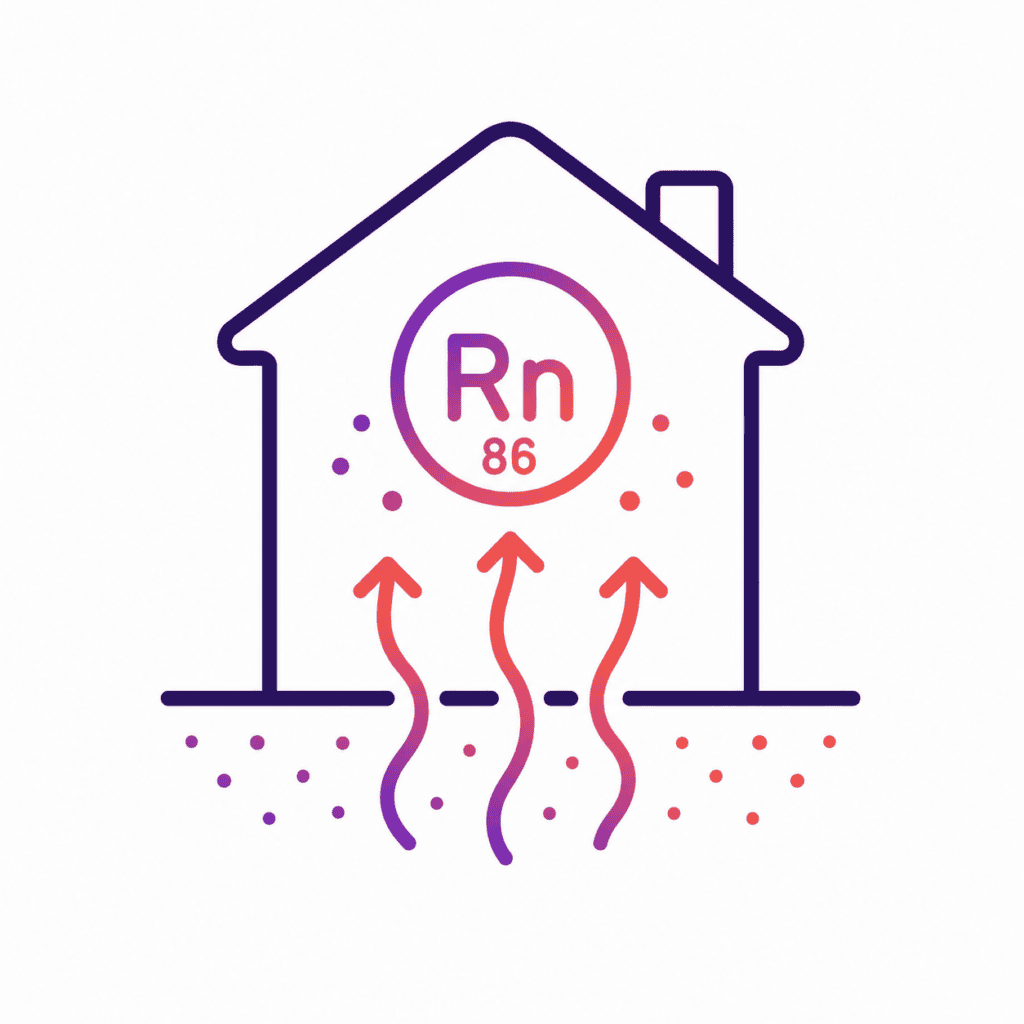
Radon, a naturally occurring radioactive gas produced by the decay of uranium in the earth, is the leading cause of lung cancer in never-smokers. Because it is odorless, tasteless, and invisible, it remains a "hidden" hazard. Radon enters buildings through cracks in foundations and settles in poorly ventilated areas. Once inhaled, the radioactive particles deposit into the lungs, where they release ionizing radiation that damages DNA. Testing for radon is inexpensive and vital, yet public awareness remains dangerously low.
2. The Global Air Pollution Crisis
The World Health Organization (WHO) identifies PM2.5—fine particulate matter less than 2.5 micrometers in diameter—as a significant carcinogen. These particles are small enough to bypass the body’s natural defenses, traveling deep into the alveolar sacs of the lungs. Once there, they cause chronic inflammation, creating a fertile environment for tumor growth. While the U.S. maintains relatively stringent air quality standards, global disparity is vast; in many rapidly industrializing nations, average concentrations are ten times the recommended safety limit of 5 µg/m³.
3. The Impact of Climate Change
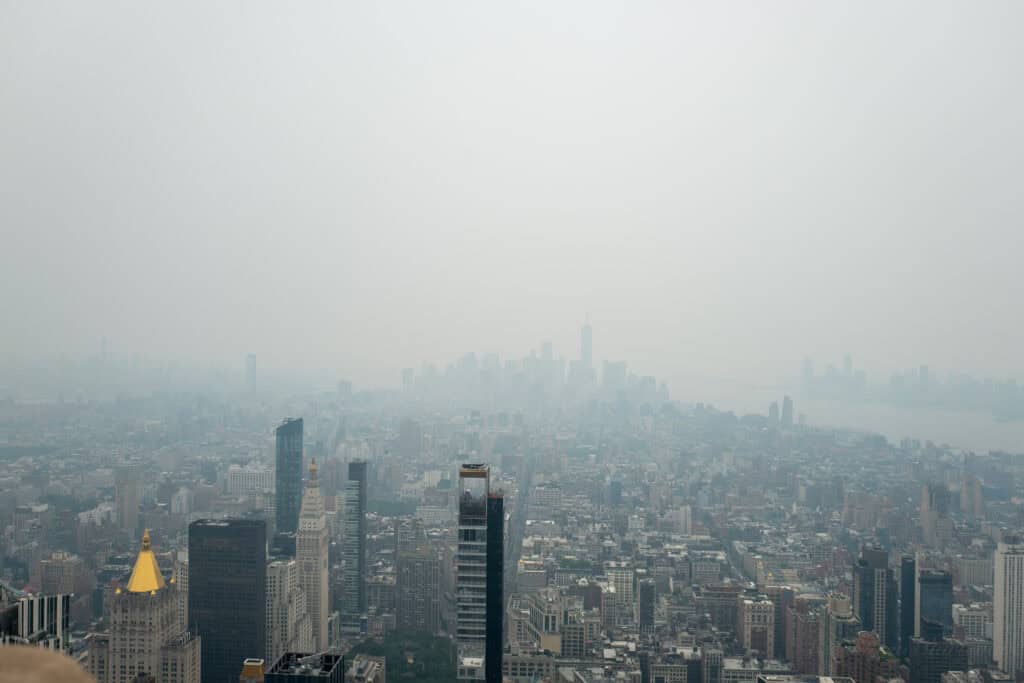
A concerning, emerging factor is the increase in frequency and intensity of wildfires. These events release massive plumes of hazardous smoke laden with toxic particulates. The summer of 2026 served as a sobering case study, when Canadian wildfire smoke choked the North American Eastern Seaboard, pushing pollution levels to record-breaking highs. Long-term exposure to these acute pollution events is currently the subject of intense longitudinal study.
Official Responses and Diagnostic Challenges
The medical establishment faces a structural challenge: current screening guidelines are almost exclusively designed for heavy smokers aged 50 and older. Consequently, more than 70% of LCINS cases are diagnosed in advanced stages.

For a nonsmoker, symptoms—such as a persistent cough, shortness of breath, or chest pain—are often misattributed to asthma, allergies, or seasonal viruses. By the time the malignancy is identified, it has often metastasized. Advocacy groups and leading oncological societies are currently lobbying for more inclusive screening protocols that consider non-smoking-related risk factors, such as family history and exposure to household pollutants, rather than relying solely on smoking history.
Treatment: The Era of Precision Oncology
Because LCINS is biologically distinct, it requires a "tailored" treatment strategy. Traditional chemotherapy, while still used, is increasingly being supplemented or replaced by targeted therapies.
- Targeted Therapies: For patients whose tumors harbor specific driver mutations (like EGFR or ALK), doctors can prescribe oral medications that "turn off" the signal telling the cancer to grow. These drugs are often more effective and have fewer side effects than systemic chemotherapy.
- The Immunotherapy Hurdle: Immunotherapy, which uses the body’s immune system to attack cancer, is a breakthrough in oncology. However, it relies on the immune system recognizing the tumor as "foreign." Because LCINS tumors often have fewer mutations, they are harder for the immune system to "see." Current research is focusing on combination therapies that can "prime" these tumors, making them more visible to the immune system.
Implications: The Path Forward
The rise of lung cancer in never-smokers is a public health wake-up call. It forces us to acknowledge that while tobacco is a major villain, it is not the only threat to our respiratory health.
The implications for the future are twofold:
- Systemic Prevention: We must prioritize indoor air quality, universal radon testing in residential housing, and stricter global regulations on particulate matter.
- Clinical Vigilance: Primary care providers must remain vigilant. A "never-smoker" diagnosis should not lead to the dismissal of respiratory symptoms. Early detection, even in those perceived to be at "low risk," remains the most potent tool in improving survival rates.
As we move forward, the scientific community continues to unravel the complex molecular machinery of these tumors. Every discovery brings us closer to a future where lung cancer is not a terminal diagnosis, but a manageable condition—or better yet, a preventable one. The fight against lung cancer is no longer just about smoking cessation; it is a global effort to protect the very air we breathe and the genetic integrity of our communities.