




A groundbreaking study published in 2026 has opened a new frontier in the understanding of connective tissue disorders, specifically hypermobile Ehlers-Danlos Syndrome (hEDS) and Hypermobility Spectrum Disorder (HSD). For years, the medical community has debated whether these two conditions are distinct entities or merely different points along a single, unified clinical spectrum. By analyzing the "proteomic signatures" of hundreds of patients, researchers have uncovered compelling evidence that these conditions may share fundamental biological mechanisms, potentially bridging the gap between clinical observation and molecular reality.
Main Facts: The Proteomic Breakthrough
The core of this research centers on the study of the human proteome—the entire set of proteins produced by an organism. Proteins are the "workhorses" of the body, and their levels in the blood can serve as a diagnostic mirror, reflecting the underlying health or disease state of an individual.
In a comprehensive analysis involving 352 participants, researchers sought to determine if the biological markers in patients with hEDS and HSD differed from those of healthy control groups. The findings were striking: the research identified a specific profile of circulating proteins that were "differentially expressed" (DEPs) in patients compared to healthy individuals.
The most significant takeaway from the study is the lack of a discernable difference between the hEDS and HSD cohorts. When researchers compared the protein expression levels between these two patient groups, they found no statistically significant variance. This discovery challenges the current diagnostic compartmentalization of these conditions, suggesting that from a biochemical perspective, the two may be indistinguishable.
A Chronology of Research: From Symptoms to Molecular Markers
The journey to this discovery has been marked by decades of clinical uncertainty.
- Pre-2020s: Diagnosis for hEDS and HSD relied almost exclusively on physical examinations, such as the Beighton Score, and subjective reports of pain, fatigue, and joint instability. The lack of a "biomarker"—a measurable substance in the blood or tissue—meant that these conditions were often categorized as "invisible illnesses."
- 2024–2025: As multi-omics technologies (genomics, proteomics, and metabolomics) matured, researchers began shifting their focus from simple genetic sequencing to the study of how genes are expressed and how proteins interact.
- 2026 (The Current Study): The study utilized high-throughput mass spectrometry to analyze 458 circulating proteins. By comparing three distinct groups (hEDS patients, HSD patients, and healthy controls), the researchers created a roadmap of how these systemic disorders manifest at the molecular level.
- The Future: This study acts as a catalyst for longitudinal research, moving the focus away from subjective symptom lists and toward objective, laboratory-based diagnostic validation.
Understanding "Differentially Expressed Proteins" (DEPs)
To grasp the magnitude of these findings, it is essential to understand the concept of "differential expression." When a scientist identifies a DEP, they are not necessarily looking for a "mutated" or "alien" protein. Rather, they are observing the body’s regulatory response to a condition.
If a protein is upregulated, the body is producing it in higher quantities, perhaps to compensate for tissue damage or to mitigate chronic inflammation. If a protein is downregulated, the body may be failing to produce a necessary repair molecule or suffering from a exhaustion-based depletion.
By identifying 69 unique proteins that were either up- or downregulated in the combined hEDS/HSD group, researchers have provided a snapshot of a body in a state of chronic systemic distress. This is not merely a "joint issue"; it is a systemic metabolic and inflammatory state that involves the nervous system, oxidative stress pathways, and immune regulation.
Supporting Data: The Biological Evidence
The raw data from the 2026 study provides a sobering look at the multi-systemic nature of these conditions. When researchers combined the hEDS and HSD cohorts to increase statistical power, they identified a clear "disease signature."
The 69-Protein Signature
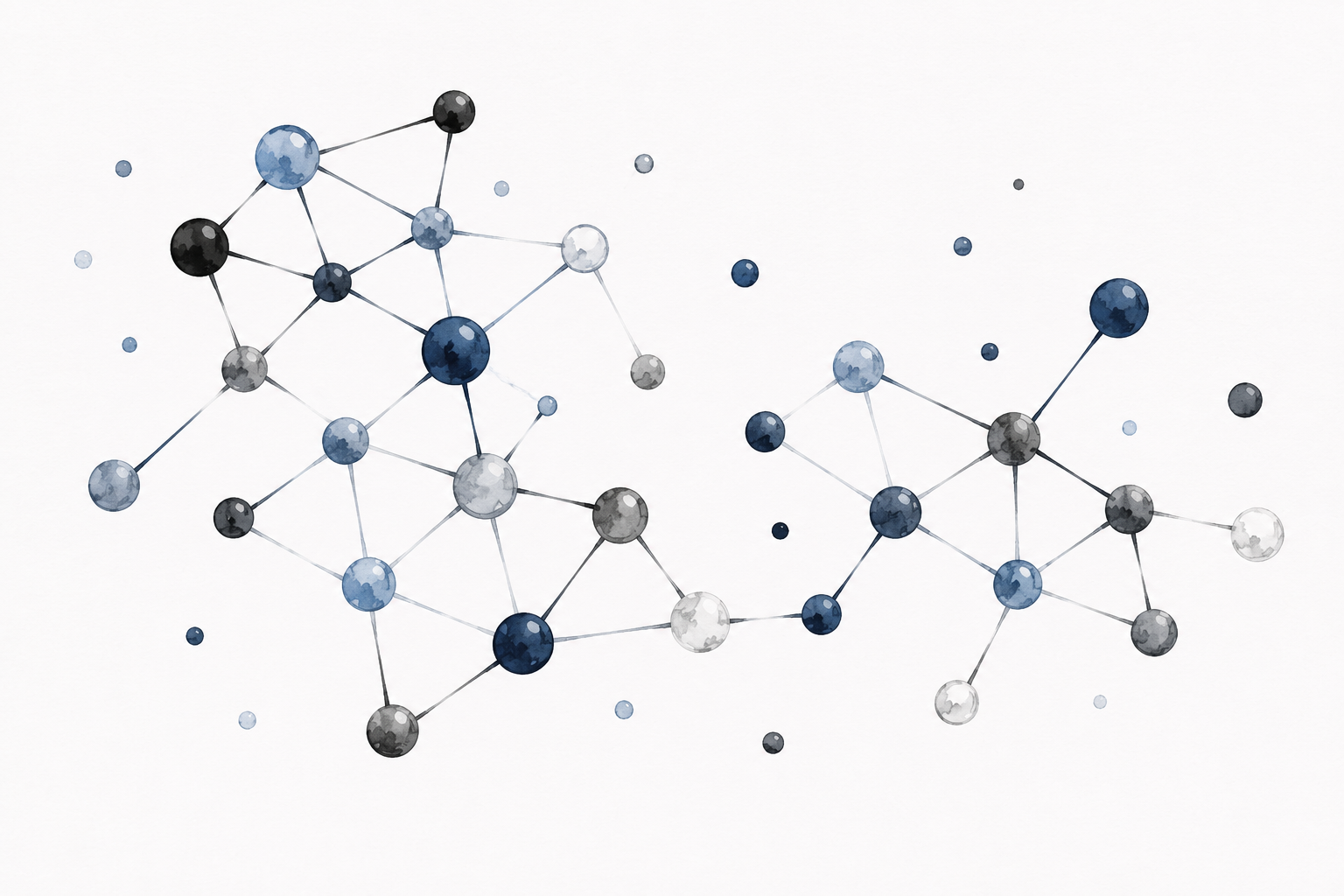
The study revealed 69 proteins that were expressed differently in patients than in the general population. These proteins were clustered into several key biological functions:
- Inflammatory Response: A significant number of the identified proteins are involved in the regulation of immune cells and the body’s response to antigens. This suggests that patients with hEDS/HSD may exist in a state of "low-grade, chronic inflammation."
- Peripheral Nervous System Myelination: Myelin is the protective coating on nerve fibers. Disruption here could explain the widespread, neuropathic-like pain reported by so many patients.
- Oxidative Stress: The body’s ability to manage free radicals appears compromised, a common finding in many chronic inflammatory and neurodegenerative conditions.
- Cardiometabolic Processes: The involvement of these proteins may explain the high co-morbidity rates of POTS (Postural Orthostatic Tachycardia Syndrome) and other dysautonomic symptoms in this population.
The fact that these systems are involved confirms that hEDS and HSD are not confined to the connective tissue—they are systemic disorders that affect the regulation of almost every major bodily system.
Official Responses and Scientific Context
The medical community has long sought a "biological hook" for hEDS and HSD. Because there is currently no identified genetic cause for the most common form of hEDS, the reliance on subjective criteria has led to diagnostic delays, medical gaslighting, and fragmented care.
Leading researchers and advocacy groups have hailed the 2026 study as a "proof of concept." While they caution that the findings are not yet a diagnostic test, they acknowledge that the study provides a "biochemical foundation." The consensus among experts is that this research shifts the burden of proof. It is no longer enough to argue that these conditions are purely psychological or localized to the joints; the proteomic data provides irrefutable evidence of a shared, systemic biological deviation.
Implications: A New Era for Patients and Physicians
The implications of these findings are profound and reach into every corner of the patient experience.
1. Reframing the Diagnostic Criteria
If hEDS and HSD share an identical protein signature, the clinical distinction between them may be arbitrary. Future diagnostic criteria may rely less on "how many joints are hypermobile" and more on "which proteomic markers are present in the blood." This could lead to a unified diagnosis that ensures patients receive care based on their systemic needs rather than a rigid classification system.
2. Developing Laboratory-Based Diagnostics
The dream of a "blood test for hEDS" is closer than ever. While we are likely years away from a commercially available diagnostic panel, this study identifies the specific proteins that a clinical test would need to measure. This provides pharmaceutical companies and diagnostic firms with a clear target for development.
3. Targeted Therapeutic Intervention
Currently, treatment for hEDS and HSD is purely symptomatic—pain management, physical therapy, and bracing. By identifying the specific inflammatory and metabolic pathways involved, researchers can begin to repurpose existing drugs or develop new ones that target these pathways. If we can treat the "oxidative stress" or the "inflammatory cytokine profile" identified in the study, we might be able to slow the progression of the disease rather than just managing the symptoms.
4. Validating the Patient Experience
Perhaps the most significant, if intangible, implication is the validation of the patient experience. For decades, patients have been told that their multi-systemic symptoms (fatigue, brain fog, nerve pain) were "unrelated" to their joint hypermobility. This study provides the scientific proof that these symptoms are, in fact, part of a unified, systemic biological disorder. It transforms the patient’s narrative from a collection of "unexplained symptoms" to a coherent, documented clinical profile.
Conclusion: The Path Forward
The 2026 study is a pivotal moment in the history of connective tissue research. While it does not provide an immediate cure or a finalized diagnostic tool, it serves as the "Rosetta Stone" for the next generation of clinical investigation. By demonstrating that hEDS and HSD share a common protein signature, researchers have effectively dismantled the walls between these two conditions, clearing the way for a more unified, biological approach to care.
As the scientific community moves forward, the focus must remain on replicating these findings in larger, more diverse populations. The transition from clinical observation to molecular diagnostics is rarely swift, but with the identification of these 69 differentially expressed proteins, the path is now clearly marked. For the millions living with these conditions, this is not just a study—it is the beginning of a future where their health is finally seen, understood, and treated with the scientific precision they deserve.