LOS ANGELES — Last March, a group of politicians gathered on the sun-drenched, 110-year-old campus of Metropolitan State Hospital in Norwalk, California. With ceremonial shovels in hand, Governor Gavin Newsom and local officials celebrated a "transformation": the remodeling of six shuttered buildings into mental health facilities. To the public, it was framed as a compassionate response to a desperate shortage of psychiatric beds. To critics and disability rights advocates, however, it represented a literal refurbishing of the very institutions abandoned decades ago—a return to a carceral model of care that masks a deeper constitutional crisis.
The project at Metropolitan State is part of a national trend. For the first time in over 70 years, states are aggressively increasing psychiatric hospital capacity. Yet, an investigation into the data suggests that this "bed crisis" is not driven by a sudden surge in mental illness, but by a legal bottleneck known as "Incompetent to Stand Trial" (IST). As the criminal legal system increasingly pathologizes poverty and disability, thousands of Americans are being trapped in a cycle of "competency purgatory"—incarcerated in jails and hospitals not for treatment, but to be "restored" just enough to face prosecution.
Main Facts: The IST Surge and the Bed Shortage Myth
The prevailing narrative in American politics is that "deinstitutionalization"—the closure of massive state asylums in the 1950s and 60s—left the severely mentally ill to wander the streets or rot in jails. This narrative, championed by groups like the Treatment Advocacy Center (TAC), argues that the only solution is more beds.
However, data from the 2025 Use of State Psychiatric Hospitals report by NRI (formerly the National Association of State Mental Health Program Directors) reveals a more complex reality. While 90% of state agencies report a bed shortage, they also admit that overcrowding is driven almost entirely by IST commitments. In many states, civil admissions—where people seek help voluntarily or are committed for safety—have plummeted by 50%, while forensic (criminal) admissions have skyrocketed.

Furthermore, investigative research, such as that by journalist Rob Wipond, suggests that the total number of psychiatric beds per capita in the U.S. is actually at a historic high when accounting for private facilities and residential treatment centers. The "shortage" is specifically a shortage of state-run forensic beds for those entangled in the court system.
The Reality of Competency Restoration
"Competency restoration" is often mistaken for psychiatric treatment, but its goal is far narrower. It is a legal process designed to stabilize a defendant—usually through psychotropic medication and legal education—until they can understand court proceedings and assist their attorney.
"This is not work that is designed to make a person better long-term," notes Susan McMahon, a law professor at UC Irvine. Once a person is "restored" and their case is settled (often with a plea deal and time served), they are typically released back into the community with no support, leading to a "revolving door" of re-arrest and re-institutionalization.
Chronology: From Deinstitutionalization to Reinstitutionalization
To understand the current crisis, one must trace the legal and social shifts of the last seven decades:

- 1950s–1960s: The Era of Deinstitutionalization. Driven by the discovery of antipsychotic medications and horror stories of asylum abuse, states began closing massive psychiatric warehouses.
- 1960: Dusky v. United States. The Supreme Court established the modern standard for competency, ruling that the 14th Amendment’s Due Process Clause requires a defendant to have a "rational understanding" of their trial.
- 1972: Jackson v. Indiana. The Supreme Court ruled that states cannot hold a defendant indefinitely just because they are incompetent to stand trial. They can only be held for a "reasonable period" to determine if restoration is possible.
- 1980s: The Neoliberal Shift. Scholars like Dr. Liat Ben-Moshe argue that the rise of "mass incarceration" was not caused by closing asylums, but by 1980s Reaganomics, which defunded housing subsidies and social safety nets while criminalizing homelessness.
- 1999: The Olmstead Decision. The Supreme Court ruled that under the Americans with Disabilities Act (ADA), people with disabilities have a right to live in the most integrated setting possible—the community, not an institution.
- 2014–2025: The Forensic Explosion. A surge in "survival crimes" (vagrancy, petty theft) and the opioid crisis led to a massive spike in IST referrals. States began facing class-action lawsuits over defendants languishing in jails for months waiting for hospital beds.
- 2024–2025: The Return to the Asylum. Governors in California, New York, and Washington authorized billions to reopen old wards and build new forensic facilities, effectively pivoting away from the Olmstead mandate.
Supporting Data: The Cost of Purgatory
The human and financial costs of the IST crisis are staggering. In Washington state, the government has been found in contempt of court three times for failing to provide timely competency services, racking up hundreds of millions of dollars in fines.
In California, the Department of State Hospitals (DSH) data shows that 47% of those referred for IST were unhoused at the time of their arrest. Instead of receiving housing, these individuals are funneled into programs like the Early Access and Stabilization Services (EASS). A 2025 report by Disability Rights California found that despite a $500 million investment in EASS, the restoration rate was less than 5%. The report documented "treatment" occurring in person-sized cages and defendants being handcuffed to chairs during sessions.
The Oklahoma and Missouri Spikes
The failure of the "more beds" strategy is evident in states that have already received federal waivers to expand capacity. In Oklahoma, the jail waitlist for competency restoration exploded by 58% in a single month between late 2025 and early 2026. In Missouri, the waitlist has more than doubled since 2023, hitting an all-time high despite increased funding. These figures suggest that as long as the "front door" of the criminal legal system remains wide open to the mentally ill, no amount of hospital beds will ever be enough.
Official Responses and the Profit Motive
While state officials like Governor Newsom frame hospital expansion as a moral necessity, administrative experts are sounding the alarm. Stephanie Clendenin, former director of California’s DSH, warned that building more beds "is only going to exacerbate the problem long-term" by creating more opportunities for the court to commit people rather than diverting them to community care.

Qui Bono? The Rise of Private Equity
Where there is a systemic crisis, there is often a profit opportunity. Private equity has turned the IST backlog into a multi-billion dollar industry. Wellpath, a company owned by H.I.G. Capital, became a dominant player in prison healthcare and competency restoration.
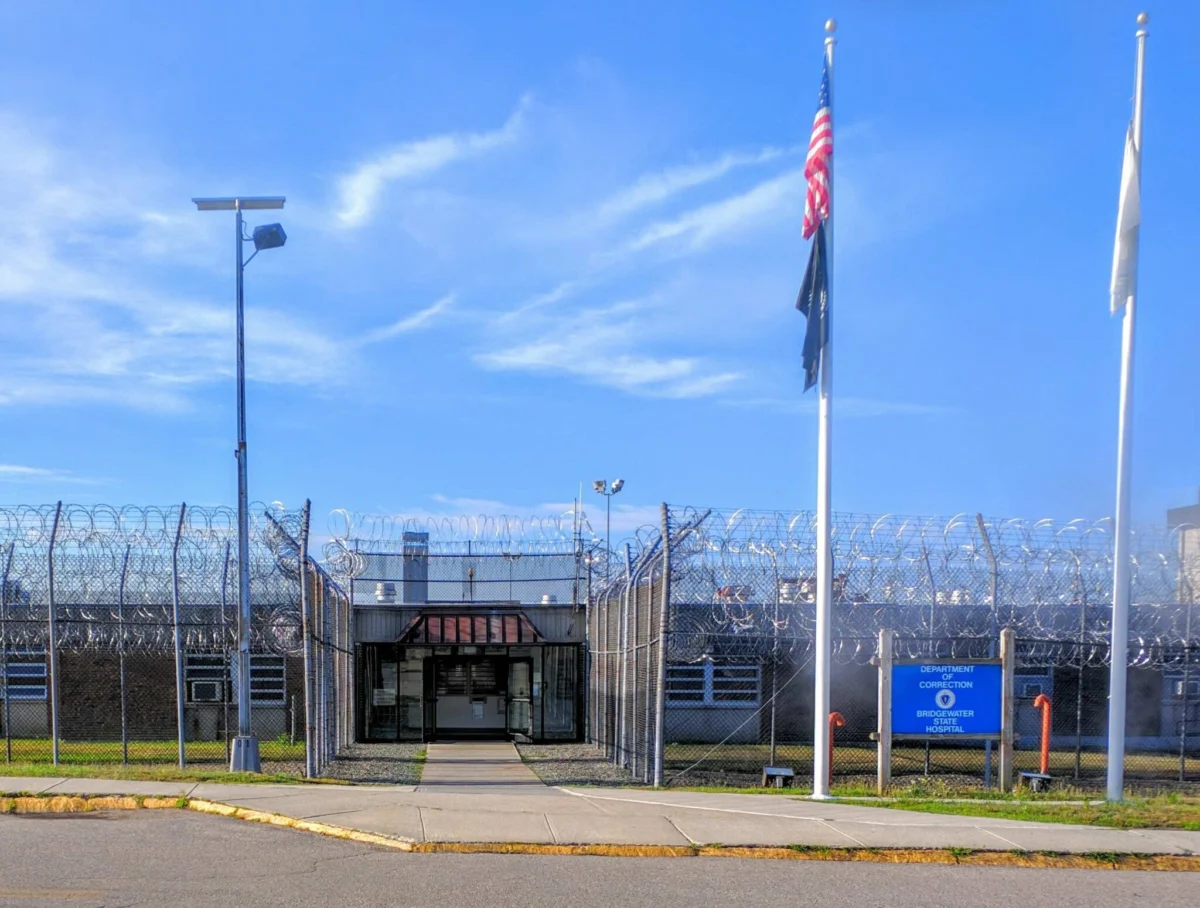
Despite being named in over 1,500 lawsuits alleging neglect and patient deaths, Wellpath’s behavioral health arm, Recovery Solutions, emerged from a 2024 bankruptcy as a standalone company. It now manages massive government contracts for jail-based restoration and forensic prisons in Florida, Texas, and Massachusetts. Critics argue that these companies have a "perverse financial incentive" to maintain the status quo, as they receive fixed per-diem payments for a "captive market" of defendants who cannot choose their providers.
Implications: The Battle for the Future of Care
The United States is currently at a crossroads between two diametrically opposed visions of disability rights.
The New York Legal Challenge
In August 2025, the Legal Aid Society of New York filed a landmark class-action lawsuit that could redefine the IST crisis. The lawsuit argues that New York’s failure to provide community-based restoration violates the Olmstead decision. By forcing defendants into secure forensic hospitals instead of utilizing outpatient programs, the state is engaging in "unnecessary institutionalization."

"The heart of this case," says Elena Landriscina of the Legal Aid Society, "is making sure that people receive timely care and people who can remain in the community have the foundation to do so successfully." If successful, the case could force states to shift billions from hospital construction to permanent supportive housing.
The Threat to Olmstead
However, the legal landscape is shifting. In June 2024, the Department of Justice issued a memo that many civil rights organizations interpret as a direct attack on the Olmstead mandate, potentially laying the groundwork for easier re-institutionalization.
The "moral panic" over psychiatric bed shortages has created a political climate where "care" is increasingly synonymous with "confinement." As states like California move forward with refurbishing 110-year-old asylums, the "silent crisis" of IST remains the primary engine of the system. Without a fundamental shift toward housing and the decriminalization of disability, the "transformation" promised by politicians may simply be the restoration of a dark chapter in American history: the era of the permanent patient and the locked ward.