


In a significant policy maneuver arriving just weeks before the November 3 midterm elections, the Trump administration has announced a targeted financial initiative: a one-time $90 rebate payment to over 20 million Medicare Part B enrollees. The program, which carries a total price tag of approximately $2 billion, is being framed by the White House as a direct relief measure for seniors grappling with the rising cost of living and healthcare expenses. However, the move has ignited a firestorm of political debate, with critics labeling it a tactical election-year stunt rather than a substantive reform of the nation’s complex healthcare landscape.
The Scope of the Initiative: Who Qualifies and Who Doesn’t?
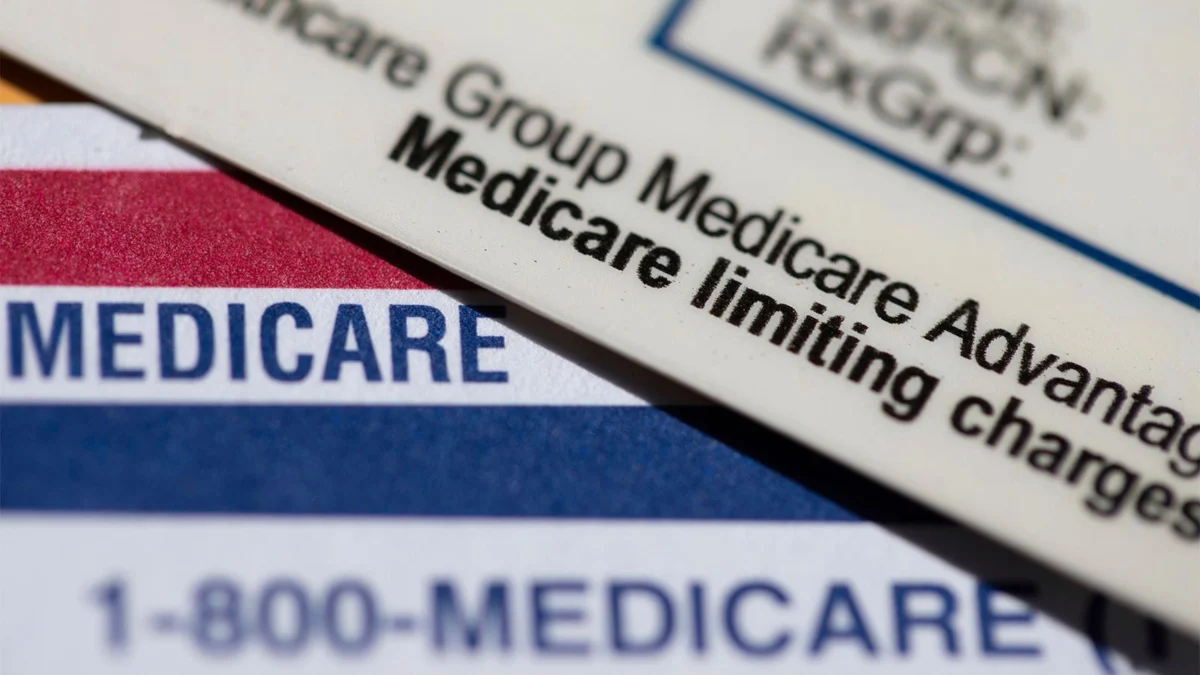
The core of the initiative centers on individuals enrolled in "Original Medicare" Part B. This program is the bedrock of outpatient care for seniors and those with disabilities, covering essential services such as physician visits, ambulance transportation, diagnostic laboratory tests, and durable medical equipment. Monthly premiums for Part B generally start at approximately $200, though this figure fluctuates based on the beneficiary’s income bracket.
According to data provided by the Centers for Medicare & Medicaid Services (CMS), the eligibility criteria are specific. The $90 payment is reserved for roughly 20.8 million beneficiaries who meet three distinct conditions:
- They must be enrolled in Original Medicare.
- They must not be receiving premium assistance through state Medicaid programs.
- They must not be subject to the income-related monthly adjustment amount (IRMAA), which affects high-income earners.
Notably, the vast majority of the 64.2 million total Medicare beneficiaries will not see these funds. This includes the roughly 35 million individuals enrolled in Medicare Advantage plans—private alternatives to government-run Medicare—and the 12 million low-income seniors and disabled individuals who already receive government assistance for their premiums.
"The administration is enabling Americans to take control of their health by putting money directly back in the hands of Medicare patients," said White House spokeswoman Allison Schuster in an official statement. Despite this framing, healthcare policy experts at organizations like KFF have noted that the exclusion of more than two-thirds of the Medicare population creates a significant disparity in who receives relief.
Chronology and Disbursement: The Logistics of the $90 Payout
The rollout of this initiative is moving at an expedited pace, timed specifically to coincide with the final weeks of the midterm campaign cycle.
The Disbursement Schedule
The disbursement process is designed to be entirely automatic. Beneficiaries do not need to apply, call a hotline, or navigate a portal to trigger the payment.
- Direct Deposit: The majority of eligible recipients are scheduled to receive the $90 credit via direct deposit into their bank accounts on or around Friday of this week.
- Paper Checks: For those who do not have direct deposit set up with the Social Security Administration, the U.S. Treasury Department will mail physical checks throughout the remainder of October.
Navigating the Eligibility Maze
Because the program excludes millions of Medicare Advantage and low-income enrollees, confusion has been widespread. The White House has established a communication bridge for beneficiaries seeking clarity:
- Eligibility Questions: Beneficiaries are directed to call 1-800-MEDICARE (1-800-633-4227) to verify their status.
- Status Inquiries: Those wishing to track their specific payment status are advised to contact the Social Security Administration at 1-800-772-1213.
Juliette Cubanski, PhD, MPH, director of the KFF program on Medicare policy, highlighted the simplicity of the delivery mechanism but cautioned about the limited reach. "As far as a benefit goes, people don’t have to call or sign up—it’s just money they receive directly, but not everybody on Medicare will receive this money," she noted.
The Financial Engine: Exploring the Medicare Improvement Fund
A critical component of this initiative is the source of the $2 billion in funding. The money is being drawn from the Medicare Improvement Fund (MIF), a pool of capital established by Congress in 2008.
Origins and Evolution of the MIF
When the MIF was first conceived, its legislative intent was relatively narrow: it was designed to improve program management, enhance oversight of contractors, and streamline the administrative functions of the Medicare fee-for-service program. According to the Congressional Budget Office (CBO), the fund was intended to be a reserve for structural improvements rather than a mechanism for direct cash disbursements to beneficiaries.
However, over the past decade and a half, the scope of the fund has expanded significantly through various legislative amendments. It has previously been tapped to address broader healthcare mandates. Most notably, during the Obama administration, Congress and the White House redirected $20 billion from the fund to assist in the expansion of healthcare coverage under the Affordable Care Act (ACA).
A Precedent-Setting Move
While the MIF has been used for broad policy shifts in the past, the current administration’s move is unique. This is the first instance in the fund’s history where it has been utilized to issue direct, one-time cash payments to individual recipients. This departure from the fund’s traditional use as a tool for systemic administrative oversight has drawn intense scrutiny from fiscal hawks and legislative watchdogs.
Political Implications: Election-Year Strategy or Policy Relief?
The timing of the $90 payout is perhaps the most contentious aspect of the announcement. With the November 3 midterms fast approaching, voters are hyper-focused on the intersection of inflation and healthcare costs.
The Administration’s Narrative
The White House contends that the payments serve as a necessary buffer for seniors who are struggling with the compounding pressures of rising food, fuel, and utility costs. By returning $90 to the pockets of the most vulnerable Medicare Part B participants, the administration argues it is providing immediate, tangible relief. This move follows a similar trend by the administration, which recently promised $500 rebate checks to an estimated 1 million Obamacare enrollees in 30 states, alleging that these individuals were overcharged for specific fees by the federal government.
The Opposition’s Stance
Democratic leaders have been quick to characterize the $90 payments as a political "gimmick." Senator Ron Wyden (D-OR), the top Democrat on the Senate Finance Committee, issued a scathing critique of the plan. "This is another desperate attempt by a failed president to escape Americans’ revulsion with his failed agenda, amounting to one tank of Trump-inflated gas," Wyden stated.
Critics argue that $90 is a negligible amount that fails to address the underlying structural issues—such as the soaring cost of prescription drugs or the increasing premiums for private Medicare Advantage plans. They suggest that the money, which totals $2 billion, could have been better spent on long-term initiatives that provide sustained relief rather than a one-off payment that serves as a temporary headline.
Economic and Social Implications
The broader economic context of this move is worth noting. As inflation has driven up the cost of living for American households, healthcare has emerged as a top-tier voting issue. Medicare beneficiaries, who are typically on fixed incomes, are particularly susceptible to inflationary pressures.
Does $90 Move the Needle?
Experts remain skeptical about the real-world impact of the payment. While an extra $90 is welcomed by many, it is unlikely to change the overall financial trajectory for a senior citizen facing a multi-hundred-dollar monthly premium and rising out-of-pocket medical costs. Juliette Cubanski observed that while the payment might be "helpful," it is unlikely to "go very far" in the face of persistent, systemic inflation in the healthcare sector.
The Potential for "Benefit Fatigue"
Furthermore, there is a risk that such programs may create confusion or "benefit fatigue" among the elderly population. With various federal agencies issuing different types of rebates and assistance, seniors may struggle to differentiate between permanent benefit changes and temporary political messaging. This uncertainty can lead to increased administrative burdens on the very agencies (like the SSA and CMS) that are trying to manage the disbursement.
Conclusion
The decision to utilize the Medicare Improvement Fund for $90 rebates is a snapshot of the current political environment in Washington—a high-stakes game where federal resources are increasingly deployed in the run-up to elections. While the administration points to the immediate liquidity it provides to millions of seniors, the exclusion of the vast majority of the Medicare population and the depletion of a reserve fund designed for systemic improvements have left the policy open to significant criticism.
As voters head to the polls, the effectiveness of this program will likely be debated through two distinct lenses: one that views the $90 as a helpful hand to those in need, and another that views it as a costly, temporary measure designed to bypass the difficult work of meaningful, long-term healthcare reform. For now, the checks are set to be processed, and the long-term impact on the Medicare Improvement Fund and the beneficiaries it serves remains to be seen.