




As the legal landscape for marijuana shifts rapidly across the United States and the globe, a prevailing cultural narrative has emerged: that cannabis is a relatively benign, natural substance. However, as public acceptance grows, the medical community is urging caution. While the long-term, devastating effects of tobacco are well-documented, the relationship between cannabis consumption and oncological risk remains a complex and evolving field of study.
For those navigating the complexities of modern cannabis use, the question is no longer just about legality, but about biological consequence. According to experts at Keck Medicine of USC, the scientific consensus is far from settled, and the implications of chronic inhalation—whether recreational or medicinal—warrant a closer look.
The Core Facts: What Current Research Tells Us
The primary concern among thoracic surgeons and oncologists today is not occasional, recreational use, but the physiological impact of chronic, heavy consumption. Recent studies conducted by the USC Caruso Department of Otolaryngology—Head and Neck Surgery, led by Dr. Niels Kokot, have begun to shed light on potential links between heavy marijuana smoking and malignancy.
Researchers have observed a statistically significant correlation between heavy marijuana use and the development of both small cell and non-small cell lung cancers. Perhaps more alarming is the data regarding head and neck cancers. Dr. Kokot’s research indicates that daily marijuana users are between 3.5 to 5 times more likely to develop cancers of the mouth, pharynx, larynx, and oropharynx (including the tongue, tonsils, and throat) compared to those who do not use the substance.
A Chronology of Discovery
The medical community’s investigation into cannabis-related cancer risk has followed a trajectory similar to the early days of tobacco research.
- The Early Period: For decades, cannabis was studied primarily through the lens of acute psychiatric effects or as a potential palliative tool for chemotherapy patients. Cancer risk was largely ignored or assumed to be negligible compared to the well-publicized hazards of cigarettes.
- The Transition: As state-level legalization gained momentum, consumption rates climbed. Researchers began to notice clinical patterns—persistent inflammatory conditions and cellular changes—in patients presenting with respiratory issues.
- The Recent Findings: Over the past few years, sophisticated observational studies have moved beyond anecdotal evidence. By isolating variables such as tobacco use and environmental factors, researchers like Dr. Kokot have started to map the specific cancer risks associated with the chronic inhalation of combustible cannabis.
- The Current Horizon: Today, the focus has shifted to "dose-dependency." Scientists are now attempting to identify the "tipping point"—the exact frequency and duration of use at which cellular damage transitions from reversible inflammation to malignant transformation.
The Mechanisms of Risk: Why Marijuana Smoke Harms
To understand why marijuana might be carcinogenic, one must look at the nature of combustion. Dr. Brooks Udelsman, a thoracic surgeon at Keck Medicine of USC, explains that the act of smoking anything—be it tobacco or cannabis—introduces harmful byproducts into the respiratory system.
Inflammation and DNA Damage
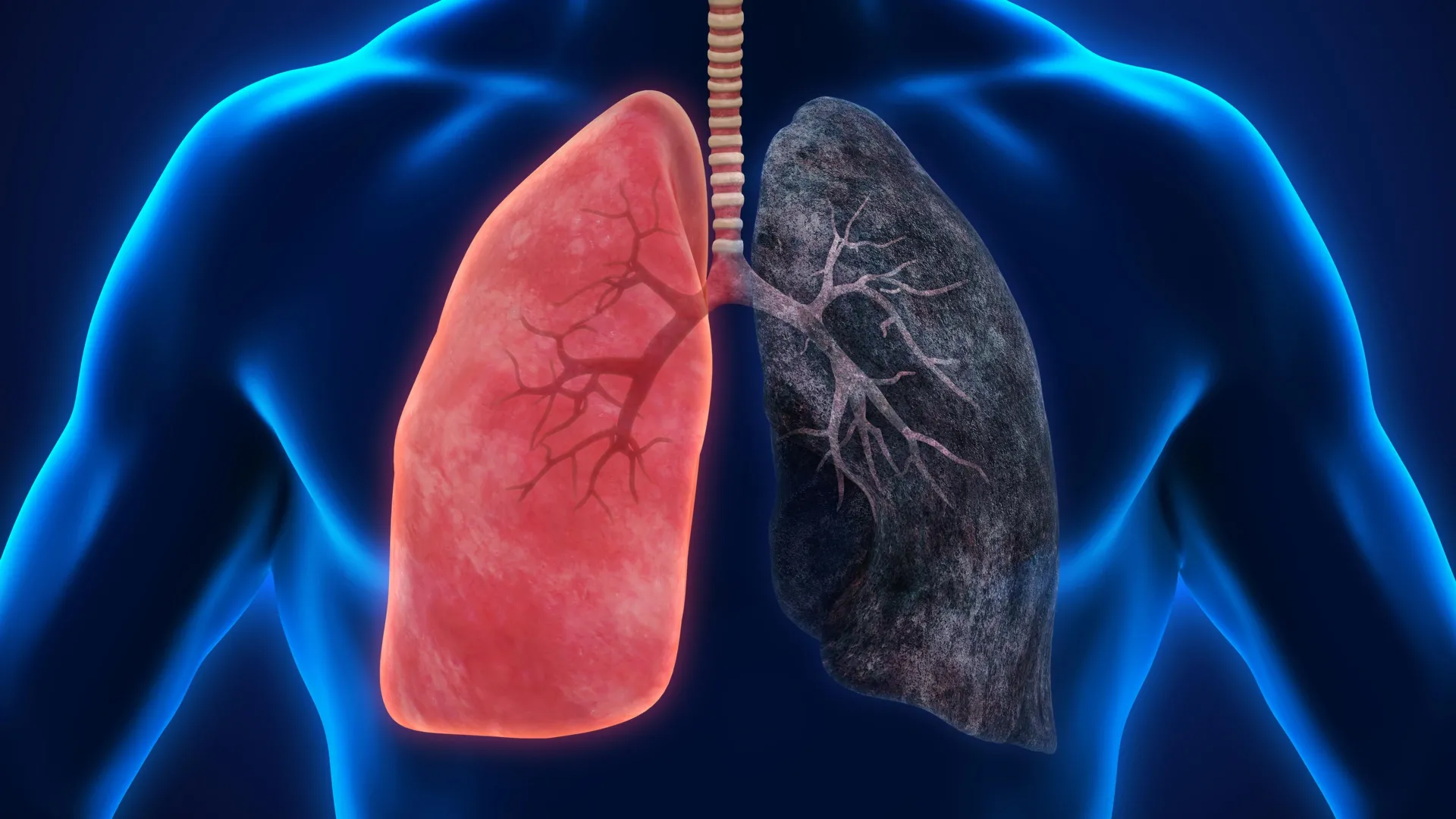
At the core of the issue is inflammation. Chronic, long-lasting inflammation is a known precursor to oncogenesis. When the lungs are exposed to smoke, they undergo a series of inflammatory responses that, over time, can damage the integrity of cellular DNA.
Tobacco smoke is notorious for containing over 7,000 chemicals, with at least 70 recognized as carcinogens. Marijuana smoke shares many of these chemical similarities. Furthermore, the psychoactive compound THC has been linked to the conversion of polycyclic aromatic hydrocarbons (PAHs). These compounds are potent agents that trigger systemic inflammation and, crucially, induce mutations in the genetic material of lung cells. As Dr. Udelsman notes, "Anytime inflammation and changes to DNA occur, you’re at risk for developing cancer."
The Vaping Conundrum and Edibles
As consumers pivot toward "cleaner" delivery systems, many assume they are bypassing the cancer risk. However, the evidence remains mixed.
The Rise of Vaping
When electronic cigarettes were introduced, many health advocates were optimistic that they would provide a harm-reduction strategy. History has since complicated this view. While researchers have yet to link vaping directly to lung cancer—largely because the technology has only been widely used for about 15 years—the medical community is reporting a surge in severe, benign inflammatory lung diseases.
Dr. Udelsman expresses profound caution regarding anything inhaled into the lungs. "Anything you’re breathing into your lungs infiltrates the cells and air sacs… which can cause damage and put you at a higher risk for cancer," he warns. The lack of long-term data on cannabis vaping means that while the cancer link is not yet "proven," the biological potential for harm is significant.
The Case for Edibles
For those looking to mitigate respiratory risk, edibles appear to be a safer alternative regarding lung health. Current clinical observations suggest that there is no established link between non-smoking delivery methods and lung cancer. However, researchers are careful to clarify that "no link currently observed" is not the same as "proven safe." The impact of ingested cannabinoids on other systems, such as the gastrointestinal tract, remains an area requiring extensive further investigation.
Official Responses and Medical Implications
The medical community is not calling for a prohibitionist stance, but rather a shift toward informed decision-making. The implications for the public are threefold:
- Dose-Relationship Awareness: The data suggests that intermittent, occasional use—such as once a month or a few times a year—likely carries minimal cancer risk. The danger appears concentrated among the "heavy users"—those who use the substance daily or multiple times a day to the point of dependency.
- Secondhand Exposure: While evidence is currently insufficient to state that secondhand marijuana smoke causes cancer, the presence of inflammatory particles in the air is a point of concern. Public health guidelines may eventually need to treat secondhand marijuana smoke with the same caution as secondhand tobacco smoke.
- Proactive Screening: Patients who consume cannabis heavily are encouraged to be transparent with their primary care physicians. Just as doctors screen smokers for lung cancer, those who consume cannabis daily should discuss their habits to determine if they qualify for specialized monitoring or early screening.
Conclusion: A Balanced Perspective
It is essential to avoid alarmism. Dr. Udelsman notes that he does not anticipate a "widespread lung cancer epidemic" resulting from recreational marijuana use. The human body is remarkably resilient, and for the vast majority of occasional users, the body is likely capable of recovering from the temporary inflammation caused by limited exposure.
The primary takeaway for the public is the necessity of nuance. As the regulatory and cultural barriers to marijuana fall, the medical community must keep pace with evidence-based education. Understanding that marijuana is not inherently "risk-free" allows users to make better choices. By focusing on the risks of chronic, heavy inhalation and encouraging open dialogue between patients and providers, we can ensure that the move toward legalization does not come at the cost of long-term public health.
As research continues, the focus will remain on longitudinal studies that can track the health outcomes of cannabis users over several decades. Until then, the message from the clinical front lines is clear: treat the substance with respect, monitor your frequency of use, and when in doubt, consult a medical professional who understands the evolving science of pulmonary health.