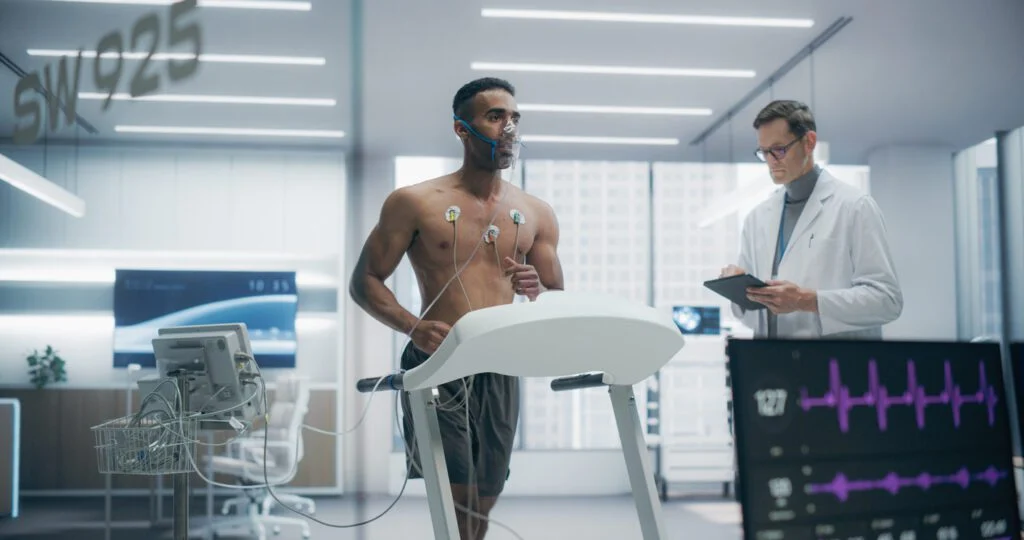
If you have been following the modern longevity movement, you have likely encountered the polarizing figure of billionaire tech entrepreneur Bryan Johnson. As the star of the Netflix documentary Don’t Die, Johnson has become the face of a high-stakes, multi-million-dollar experiment: the pursuit of the lowest possible "biological age."
Johnson’s regimen—which includes dozens of daily supplements, aggressive skin treatments, hyperbaric oxygen therapy, and even controversial plasma infusions—is designed to reverse his chronological clock. He claims that these interventions have rendered him 5.1 years younger than when he began. However, the scientific community remains divided; a recent New York Times investigation suggested that, contrary to his claims, Johnson’s biological age may have actually increased by a decade.
Despite the controversy, the "don’t die" crusade is gaining significant traction. From the influential podcasts of Peter Attia and Andrew Huberman to a deluge of mail-order blood and urine test kits flooding the internet, "bio age testing" has moved from fringe biohacking into the mainstream. But as these tests become more accessible, a vital question emerges: Is the pursuit of a lower biological age a genuine path to longevity, or is it a high-priced distraction from the fundamentals of health?
What Is Biological Age?
To understand the industry, one must first distinguish between chronological and biological age. Chronological age is simply the number of candles on your birthday cake. Biological age (or "bio age"), however, is a measurement of how your cells and organ systems are functioning relative to the average person.
Consider two 50-year-old men: "Chang" and "Jabari." Chang leads a sedentary life in a high-pollution urban center, smokes, eats poorly, and suffers from chronic stress. Jabari, by contrast, lives in a mountainous environment, exercises regularly, follows a nutrient-dense diet, and practices daily meditation. Despite sharing the same birth year, their internal machinery is running on different timelines. In all likelihood, Jabari’s cellular health—and therefore his biological age—is significantly lower than Chang’s.
The Evolution of Measurement: From Telomeres to Methylation
Bio age testing kits generally function by measuring "biomarkers"—indicators of physiological state. Early research focused on telomeres, the protective caps at the ends of chromosomes. As cells divide, these caps shorten; when they become too short, the cell can no longer divide, contributing to aging.
More recently, the industry has shifted toward DNA methylation, a process where chemical tags attach to DNA and alter its expression. Researchers like Steve Horvath developed "clocks" based on these patterns, which have become the gold standard for scientists studying the rate of aging in populations.
However, there is a critical distinction to be made: these tools were created to help scientists study aging in controlled environments, not to provide definitive health advice to individuals. When a commercial company uses a blood sample to tell you your "biological age," they are providing an estimate based on a limited set of data points—data that may not reflect the aging rate of your liver, heart, or brain simultaneously.
Five Accessible Biomarker Tests You Can Do for Free
You do not need a billionaire’s budget to track your health. Before high-tech blood panels, researchers used physical performance metrics to calculate the pace of aging. These "free" tests remain some of the most accurate predictors of longevity.
1. The Sitting-Rising Test (SRT)
This test assesses both strength and balance. To perform it, lower yourself to the floor in a cross-legged position, then stand back up without using your hands, knees, or shins for leverage. Points are deducted for every instance of imbalance or physical assistance. A low score on this test has been linked to a higher risk of cardiovascular mortality, as it reflects the musculoskeletal integrity required to remain independent in later years.
2. Grip Strength
Handheld dynamometers are inexpensive, but even a simple tennis ball squeeze test can provide insight. Research consistently shows that grip strength is a robust predictor of future muscle weakness and physical decline. If you struggle to maintain a firm grip for 90 seconds, it may be a "canary in the coal mine" for systemic frailty.
3. The One-Leg Balance Test
Balance is a complex integration of the brain, inner ear, and skeletal muscles. The inability to stand on one foot for 10–60 seconds (depending on your age) is a significant predictor of fall risk and overall morbidity.
4. The Pittsburgh Fatigability Scale
Fatigue is not merely being tired; it is a persistent, unexplained reduction in energy that interferes with daily life. The Pittsburgh scale asks you to rate your expected fatigue levels during various tasks, from leisurely walking to social hosting. High scores (25+) often serve as an early warning sign for underlying conditions like anemia, metabolic dysfunction, or chronic illness.
5. Body Composition (The Tape Measure Method)
Weight is a poor indicator of health. Body composition—the ratio of muscle to fat—is far more critical. Using a simple tape measure to track waist-to-hip ratios and limb girths, you can gain a more accurate picture of your metabolic health than a standard bathroom scale could ever provide.
Clinical Biomarker Testing: The Gold Standard
While DIY tests offer a baseline, routine medical testing remains the cornerstone of proactive healthcare.
Blood Panels and Cardiovascular Risk
Annual blood work is not just a formality; it is a diagnostic window. By tracking markers such as ApoB, LDL, HDL, triglycerides, and C-reactive protein, you can identify the early stages of cardiovascular disease or insulin resistance long before symptoms manifest. These numbers are actionable; with lifestyle, medication, or nutritional adjustments, many of these markers can be significantly improved within 8 to 12 weeks.
Bone Density (DEXA Scans)
Strong bones are a hallmark of "super-agers." Bone density loss can lead to fractures, which carry a high mortality risk in older adults. A Dual-energy X-ray absorptiometry (DEXA) scan provides a T-score, comparing your bone density to that of a healthy young adult. This data allows for early intervention, such as resistance training or pharmacological support, to prevent osteoporosis.
The Commercial Frontier: What Should You Avoid?
The market is currently saturated with commercial tests for DNA methylation, telomere length, and VO2 Max. While these tests can be informative, they come with caveats:
- The "Hard Sell" Trap: If a company pairs your results with a push to buy proprietary, expensive supplements, be skeptical. Ethical medical practice involves consulting with a professional who does not stand to profit from the treatment they recommend.
- Contextualizing Data: Remember that biological age can vary by organ. A high score on a blood-based methylation test does not mean your entire body is aging at the same rate.
- VO2 Max: This remains one of the most reliable predictors of longevity. While lab-based testing is best, the Cooper Test (a 12-minute run) provides a highly correlated estimate for free.
Turning Data into Lasting Change
The danger of the modern longevity craze is "data paralysis"—the act of collecting endless metrics without ever changing behavior. If you discover your biological markers are suboptimal, the solution is rarely a "miracle pill."
The Evergreen Strategies
The most effective interventions for slowing biological aging remain the ones that have been proven for decades:
- Consistent Resistance Training: Building muscle is the most effective way to regulate blood sugar and improve metabolic health.
- Nutrient-Dense Nutrition: Prioritizing whole foods and limiting processed sugars.
- Sleep Hygiene: Quality sleep is the body’s primary window for cellular repair.
- Stress Management: Chronic cortisol elevation is a primary driver of systemic inflammation and accelerated aging.
- Smoking Cessation and Alcohol Moderation: These remain the two highest-impact changes one can make for longevity.
The Role of Professional Guidance
Data, in isolation, is just information. It is like looking in a mirror and seeing a problem but refusing to fix it. If you are struggling to bridge the gap between "knowing what to do" and "actually doing it," the support of a certified health coach can be transformative. Professional coaching focuses on the psychology of behavior change, helping individuals build sustainable habits that survive the stresses of daily life.
Final Reflections
The quest for a lower biological age is a noble one, but it is easily hijacked by the allure of "biohacking" shortcuts. Whether you are using a free floor-rising test or a high-end DNA methylation kit, the goal should be the same: to gain a clearer understanding of your body so you can make informed decisions.
True longevity is not found in a laboratory vial or a proprietary supplement stack. It is found in the boring, repetitive, and deeply impactful work of moving your body, eating well, sleeping deeply, and managing the stresses of life. Before you spend a fortune on the latest longevity trend, ensure you have mastered the basics—they remain the most effective "anti-aging" tools in existence.