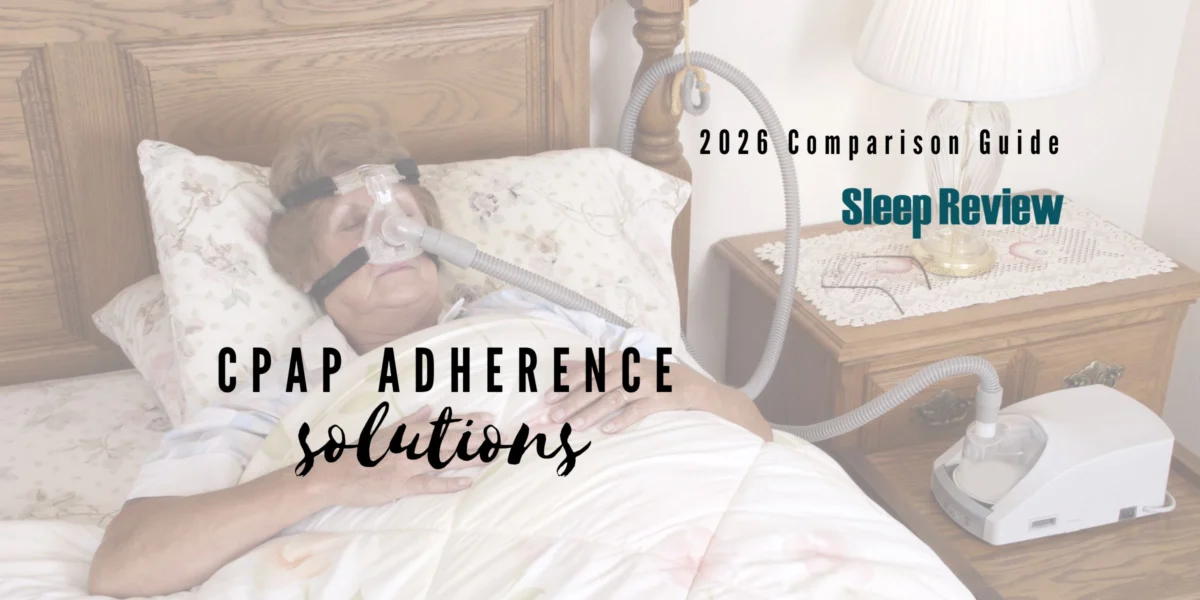
Continuous Positive Airway Pressure (CPAP) therapy remains the undisputed gold standard for the treatment of obstructive sleep apnea (OSA). However, the clinical efficacy of this gold standard is perpetually threatened by a persistent and well-documented obstacle: low patient adherence. For sleep disorders centers, private practices, and durable medical equipment (DME) providers, the challenge is not just clinical—it is financial. With payors increasingly enforcing strict “compliance” metrics within the first 90 days of therapy, the pressure to ensure patients remain on their machines has never been higher.
As the landscape of value-based care shifts, many providers are finding that managing this adherence in-house is becoming a resource-heavy burden that detracts from core clinical operations. Consequently, a growing number of organizations are turning to specialized third-party vendors to outsource CPAP adherence management.
The 90-Day Threshold: A Regulatory and Clinical Reality
The current climate of sleep medicine is dictated by the “90-day rule.” Payors, including Medicare, require documented evidence of consistent usage—typically defined as using the device for at least four hours per night on 70% of nights during a consecutive 30-day period within the first three months. Failure to meet these benchmarks often results in the revocation of the device and a cessation of coverage, which in turn leads to negative health outcomes for patients and lost revenue for providers.
For small-to-medium-sized sleep labs, the administrative labor required to monitor, troubleshoot, and coach thousands of patients is staggering. It requires a 24/7 commitment to data review, patient education, and timely intervention. When a patient struggles with a mask leak or experiences pressure discomfort, a delay of even 48 hours in intervention can lead to a patient abandoning therapy entirely.
Evolution of Adherence Management: A Chronological Shift
The approach to CPAP adherence has evolved significantly over the last two decades.
- The Early Era (Pre-2010s): Adherence management was largely manual and reactive. Sleep technicians would review data periodically, and patients were often only contacted if they called the office with a specific complaint. There was little to no proactive outreach.
- The Connected Era (2010–2018): The introduction of cellular-modem-enabled CPAP machines changed the game. Providers gained the ability to see daily usage data. However, the sheer volume of data often led to “alert fatigue,” where providers were overwhelmed by the number of non-compliant patients.
- The AI and Outsourcing Era (2019–Present): With the refinement of artificial intelligence (AI) and the emergence of specialized adherence-as-a-service firms, the model has shifted to “exception management.” Instead of looking at every patient, technology now identifies the highest-risk patients, allowing human coaches—or automated systems—to intervene exactly when needed.
Leveraging Technology for Patient Success
Modern adherence solutions leverage a sophisticated stack of tools to keep patients engaged. These include:
AI-Driven Predictive Analytics
Vendors like BetterNight and Neru Health utilize proprietary software to phenotype patients. By analyzing demographics, comorbidities, and initial usage patterns, these platforms can predict which patients are likely to struggle before they even fail their 90-day window. This allows for early, targeted behavioral interventions.
Automated Engagement and Troubleshooting
Platforms like sovaSage and Sanusom utilize virtual coaches and automated workflows to handle routine questions—such as mask fitting or humidifier settings—that previously occupied hours of staff time. By resolving these common friction points, these systems significantly reduce the “burden of care” on the provider’s internal clinical team.
Human-in-the-Loop Models
While AI provides the scalability, many vendors recognize that clinical touchpoints require a human element. Companies like rtNOW focus on direct, 1-to-1 relationships between respiratory therapists (RTs) and patients. This hybrid model ensures that when a patient has a complex issue, they are not just talking to a chatbot, but are connected with a qualified clinician who can resolve the issue effectively.
Supporting Data: The Case for Outsourcing
The efficacy of these specialized solutions is supported by robust data. The following metrics illustrate the impact of outsourcing versus traditional in-house management:
- Adherence Rates: Programs utilizing dedicated adherence platforms consistently report compliance rates ranging from 70% to 87%, significantly higher than historical industry baselines.
- Long-Term Engagement: Data from studies referenced in Sleep Review indicate that patients utilizing digital support platforms like ResMed’s myAir are twice as likely to remain compliant after one year compared to those without such support.
- Efficiency Gains: Providers have reported a 34% reduction in call volume to their internal clinical teams by offloading routine troubleshooting to AI-enabled vendor platforms.
- Financial Return: Several vendors report an average return on investment (ROI) ranging from 200% to 800%, derived from reduced equipment abandonment, improved resupply revenue, and lower administrative overhead.
Official Responses and Industry Perspectives
Industry leaders in the adherence space emphasize that the goal is not to replace the physician, but to augment the provider’s ability to care for patients at scale.
"The Clarity system is the bridge between objective data gathering and the patient," notes the team at BetterNight, emphasizing that real-time data is only useful if it is actionable. Similarly, Neru Health highlights the importance of behavioral science, noting that their interventions—developed with Harvard scientists—address the psychological barriers to CPAP use, not just the mechanical ones.
For DMEs and HMEs, the value proposition is often centered on operational streamlining. VGM Total Sleep Services offers an all-in-one solution that covers everything from initial mask fitting to machine dropship and final asset recovery, essentially acting as an extension of the provider’s business.
Implications for the Future of Sleep Medicine
The shift toward outsourced adherence management carries profound implications for the future of sleep healthcare.
1. Shift from Transactional to Value-Based Care
As reimbursement models lean further into value-based outcomes, the ability to prove a patient is healthy and compliant becomes a core competency. Providers who fail to utilize modern adherence technology risk being left behind as payors prioritize partnerships with high-performing, data-backed organizations.
2. Democratization of High-Quality Care
Historically, only large, well-funded sleep centers could afford the staff necessary to provide high-touch adherence coaching. Outsourcing levels the playing field, allowing smaller private practices and rural clinics to offer the same level of patient support as large hospital systems.
3. The Role of the Clinician
The clinician of the future will spend less time managing data spreadsheets and more time managing complex patient cases. By offloading routine compliance monitoring to automated, AI-driven platforms, sleep medicine professionals can return to their primary purpose: diagnosing and treating complex sleep disorders.
4. Improving Patient Quality of Life
Ultimately, the primary metric of success is patient health. Increased adherence means better management of comorbidities such as hypertension, diabetes, and cardiovascular disease. By ensuring that patients stay on their therapy long after the initial 90-day window, these solutions are playing a critical role in improving public health outcomes on a national scale.
Conclusion
The CPAP compliance crisis is not a failure of the technology itself, but a failure of the support infrastructure surrounding it. As the industry matures, it is becoming increasingly clear that the "do-it-yourself" model of adherence management is no longer sustainable for most practices. By integrating specialized, technology-driven solutions, sleep providers can ensure that more patients benefit from life-changing therapy, while simultaneously building more resilient and efficient clinical operations. The path forward is clear: the future of sleep medicine lies in the seamless intersection of clinical expertise, artificial intelligence, and proactive, personalized patient engagement.