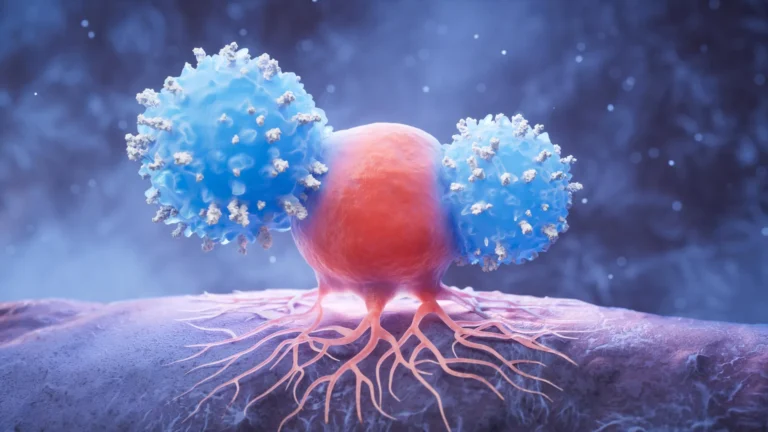






For decades, creatine has been the staple of the locker room—a white, flavorless powder tucked into the gym bags of bodybuilders and collegiate athletes, prized for its ability to fuel muscle contractions and improve explosive power. However, a groundbreaking study from the University of California, Los Angeles (UCLA) suggests that this humble supplement may possess a far more profound utility: acting as a potent "metabolic battery" for the human immune system in its fight against cancer.
New research, published in the journal iScience, indicates that creatine does more than just boost physical performance; it appears to be a critical fuel source for dendritic cells, the master regulators of the immune system that identify tumors and prime killer T cells to destroy them. This discovery marks a potential paradigm shift in how we approach cancer immunotherapy, suggesting that "recharging" our immune cells could be the key to turning non-responders into survivors.
The Main Facts: A New Role for an Old Supplement
The core discovery centers on the metabolic requirements of the immune system. While immunotherapy—specifically treatments that mobilize T cells—has revolutionized oncology, it remains frustratingly inconsistent. Only 20% to 40% of patients see meaningful, long-term benefits from current checkpoint inhibitor therapies.
The UCLA team, led by Dr. Lili Yang, identified that the "infrastructure" supporting T cells—specifically dendritic cells—often struggles to maintain the energy levels required to function within the harsh, nutrient-depleted environment of a tumor. The study reveals that dendritic cells rely heavily on the creatine transporter to maintain their energy reserves. By supplementing with creatine, researchers were able to prevent these cells from "burning out," allowing them to sustain the inflammatory signaling pathways necessary to guide T cells to their targets.
In short, if T cells are the soldiers on the front lines, dendritic cells are the intelligence officers providing the map. The UCLA research demonstrates that creatine provides these officers with the fuel needed to keep the mission on track.
A Chronological Progression: From Muscle Fiber to Immune Science
The journey to this discovery was not instantaneous. It began with a foundational observation in 2019, when the same laboratory at UCLA identified that creatine enhances the metabolic fitness of T cells themselves.
- 2019 Discovery: The laboratory established that T cells utilize creatine to bolster their anti-tumor activity. This initial finding opened a larger question: If T cells benefit from creatine, what about the other immune cells that orchestrate the response?
- The Metabolic Investigation: Building on this, the team began investigating the metabolic gene activity of dendritic cells that had successfully infiltrated tumors in mice. They observed a significant upregulation of the creatine transporter gene in these tumor-infiltrating cells compared to those in healthy tissue, signaling that the immune system was actively "craving" creatine to survive the tumor microenvironment.
- Genetic Engineering Phase: To test the necessity of this mechanism, researchers engineered dendritic cells that lacked the creatine transporter. The result was a functional collapse: the cells became sluggish, failed to survive, and lost their ability to "teach" T cells how to recognize tumors.
- Supplementation Trials: Once the deficiency was mapped, the team moved to test the inverse. By administering daily creatine injections in mouse models of melanoma, they observed a significant slowing of tumor growth, driven by a surge in the number and activity of dendritic cells.
Supporting Data: The Mechanics of the "Rechargeable Battery"
The scientific data provided by the UCLA team offers a clear, mechanistic explanation for how creatine aids immune function. Using advanced metabolomics analyses, the researchers measured the levels of ATP—adenosine triphosphate—within the dendritic cells.
ATP is the "energy currency" of all living cells. Within the hostile, glucose-deprived environment of a tumor, immune cells often find themselves out-competed by cancer cells for nutrients. The study found that creatine acts as a high-capacity energy buffer. When dendritic cells were supplied with creatine, their intracellular ATP levels remained elevated, even under metabolic stress.
This "rechargeable battery" effect allows the dendritic cells to maintain the secretion of cytokines—the chemical signals that recruit other immune cells to the tumor site. Without this creatine-driven energy boost, the signaling pathway falters, and the tumor is able to suppress the immune response.
Furthermore, when the researchers tested human monocyte-derived dendritic cells in the laboratory, they observed that creatine increased the activation of these cells and improved their ability to stimulate T cells against cancer-associated targets. This suggests that the benefits are not limited to mouse models but are highly relevant to human biology.
Official Responses and Expert Perspective
The implications of these findings have drawn significant attention from the immunology community. Dr. Lili Yang, the study’s senior author and a professor at the Eli and Edythe Broad Center of Regenerative Medicine and Stem Cell Research at UCLA, emphasized the holistic potential of this approach.
"Immunotherapy has shown remarkable promise, but it only works for a subset of patients," Dr. Yang stated. "What this study shows is that creatine doesn’t just help the T cells fighting cancer—it also energizes the entire infrastructure that supports and guides them. That makes creatine a promising supplement to holistically support the immune response that modern immunotherapies depend on."
James Elsten-Brown, a co-first author of the study, highlighted the dual-pronged potential of the discovery: "The potential we see here is that creatine could be used in two complementary ways: as a supplement to enhance the immune response of patients already receiving immunotherapy, and as a tool to improve the quality of dendritic cell-based vaccines before they’re administered."
Elliot Kang, another co-first author, added, "Understanding how to metabolically support dendritic cells is about supporting the entire anti-tumor response, not just the killer T cells at the end of it."
Implications: The Future of Cancer Vaccines and Therapy
The clinical implications of this research are broad, particularly in the burgeoning field of personalized cancer vaccines. Currently, researchers create dendritic cell vaccines by harvesting a patient’s cells, training them to recognize cancer, and re-infusing them into the patient. The UCLA study suggests that adding creatine to the "incubation" phase of this process could produce more robust, energetic cells, potentially leading to more effective vaccines.
However, the research team is careful to manage expectations. While the data is compelling, it remains pre-clinical. The findings were generated using mice and lab-grown human cells, meaning there is no current evidence that simply buying a tub of creatine at a local supplement store will cure cancer in humans.
Important Caveats
- Human Trials Needed: The researchers emphasize that they have not yet conducted clinical trials in human cancer patients.
- Safety Protocols: While creatine monohydrate is widely considered safe, cancer patients have complex metabolic needs and often undergo treatments that can interact with supplements. Patients should never alter their treatment regimen or add supplements without consulting their oncologist.
- Regulatory Status: The experimental approaches described are not yet approved by the FDA for the treatment of any human disease.
Looking Forward: The Path to the Clinic
The UCLA Technology Development Group has already filed a patent application for the potential therapeutic strategy identified in this study, signaling that the institution sees significant commercial and clinical value in this approach. The next logical step will be the design of prospective clinical trials to determine if creatine supplementation can serve as a safe and effective adjunct to standard-of-care immunotherapy.
If successful, this would represent one of the most cost-effective and accessible breakthroughs in modern oncology. By leveraging a well-understood, inexpensive, and widely available supplement to "supercharge" the immune system’s internal infrastructure, scientists may soon be able to extend the benefits of immunotherapy to a much larger population of patients.
For now, the research stands as a powerful reminder that the most sophisticated medical breakthroughs sometimes hide in plain sight—or, in this case, inside the very cells that keep us healthy, waiting for a simple, energetic boost.